
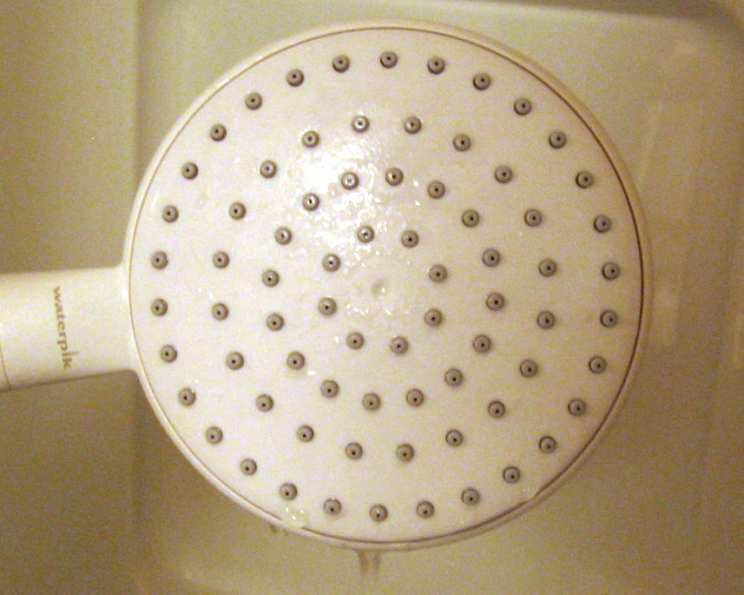
The Sparkling Shower Head Secret: A Chef’s Surprisingly Useful Trick
As a chef, I’m used to dealing with stubborn stains and build-up. The other day, battling limescale on my favorite sauté pan, I realized that the same principles I use to clean cookware could apply to other areas of my home. The shower head, a constant victim of hard water, was sputtering pathetically. Remembering a tip from my grandmother, I decided to tackle the problem with a simple solution, and the results were astonishing! Now, instead of a weak drizzle, I enjoy a powerful, invigorating shower, and I’m excited to share this unexpectedly effective technique with you.
Recipe Overview
- Prep Time: 3 minutes
- Total Time: 24 hours 3 minutes
- Servings: 1
- Yield: 1 clean shower head
- Dietary Type: N/A
Ingredients
- 1 (16 ounce) bottle vinegar
- 1/3 cup lemon juice, freshly squeezed
- 1 large turkey baster
Equipment Needed
- Turkey baster
- Old shower cap
- Rubber bands
- Old toothbrush
Instructions
- Begin by filling your turkey baster with white vinegar and freshly squeezed lemon juice. The combination of these two powerhouses is key. The vinegar acts as a potent descaler, while the lemon juice adds extra cleaning power and a refreshing scent.
- Next, grab an old shower cap. These disposable caps are perfect for this job. Gently fill the shower cap with the vinegar mixture from the turkey baster. You want enough liquid to fully submerge the shower head.
- Now, carefully position the shower cap around the shower head, ensuring that the head is completely immersed in the vinegar and lemon juice solution.
- Secure the cap tightly to the shower head using rubber bands. This will prevent any leakage and ensure the shower head remains submerged throughout the cleaning process. Make sure the rubber bands are snug but not so tight that they damage the cap.
- Leave the shower cap in place for a full 24 hours. This allows the vinegar and lemon juice to effectively dissolve the mineral deposits and grime that have accumulated inside the shower head. Patience is key here!
- After 24 hours, carefully remove the vinegar-filled shower cap and discard the used solution.
- Finally, using an old toothbrush, gently scrub the shower head to remove any remaining residue. Pay particular attention to the nozzles, as these are prone to clogging. Rinse thoroughly with clean water.
Expert Tips & Tricks
- For heavily clogged shower heads, you can pre-soak them in a bowl of vinegar and lemon juice for a few hours before applying the shower cap.
- If you don’t have a shower cap, a plastic bag secured with rubber bands will work in a pinch.
- To prevent future build-up, consider wiping down your shower head with a vinegar solution once a week.
- If you notice any stubborn mineral deposits remaining after the initial scrubbing, you can use a baking soda paste to gently polish the affected areas.
- Be careful not to use abrasive cleaners or scouring pads, as these can scratch the surface of the shower head.
Serving & Storage Suggestions
This isn’t exactly a dish to be served, but rather a maintenance procedure. Once cleaned, your shower head should provide a noticeably improved water flow. There are no leftovers to store! Just enjoy your revitalized shower.
Nutritional Information
| Nutrient | Amount |
|---|---|
| N/A | N/A |
(Note: This recipe does not involve edible ingredients and therefore has no nutritional information.)
Variations & Substitutions
- Essential Oils: For an extra burst of freshness, add a few drops of your favorite essential oil (such as tea tree or eucalyptus) to the vinegar and lemon juice mixture.
- Citric Acid: If you don’t have lemon juice on hand, you can substitute it with a tablespoon of citric acid powder dissolved in water.
- Cleaning Strength: For more stubborn build-up, use straight vinegar without diluting it with lemon juice.
- Baking Soda Boost: Combine baking soda and water to create a paste. After the 24-hour vinegar soak, apply the paste to the shower head and scrub gently with the toothbrush. This will help loosen and remove any remaining debris.
FAQs (Frequently Asked Questions)
Q: Why use vinegar and lemon juice?
A: Vinegar’s acidity dissolves mineral deposits, while lemon juice adds extra cleaning power and a pleasant scent. Together, they’re a formidable, yet natural, cleaning duo.
Q: Can I use this method on any type of shower head?
A: This method is generally safe for most shower heads, but it’s always a good idea to test it on an inconspicuous area first. Avoid using it on shower heads with delicate finishes or special coatings without checking the manufacturer’s instructions.
Q: How often should I clean my shower head?
A: Cleaning your shower head every 3-6 months is generally recommended, depending on the hardness of your water. If you notice a decrease in water pressure or visible mineral buildup, it’s time for a cleaning.
Q: What if I don’t have a turkey baster?
A: While a turkey baster is the easiest way to get the solution into the shower cap, you can also carefully pour the vinegar and lemon juice mixture directly into the cap. Just be sure to do it slowly to avoid spilling.
Q: Can I use other types of citrus juice besides lemon?
A: While lemon juice is preferred for its strong cleaning properties and refreshing scent, you can experiment with other citrus juices like lime or orange if you have them on hand. Just be aware that they may not be as effective as lemon juice.
Final Thoughts
Don’t underestimate the power of simple ingredients! This shower head cleaning trick is a testament to the fact that effective solutions don’t always require harsh chemicals or expensive products. I encourage you to give it a try and experience the joy of a revitalized shower. Once you’ve tried this simple method, I’m confident you’ll be recommending it to your friends and family. And while you’re at it, why not treat yourself to a relaxing bath with some Epsom salts and essential oils to complete the spa-like experience? Enjoy!