
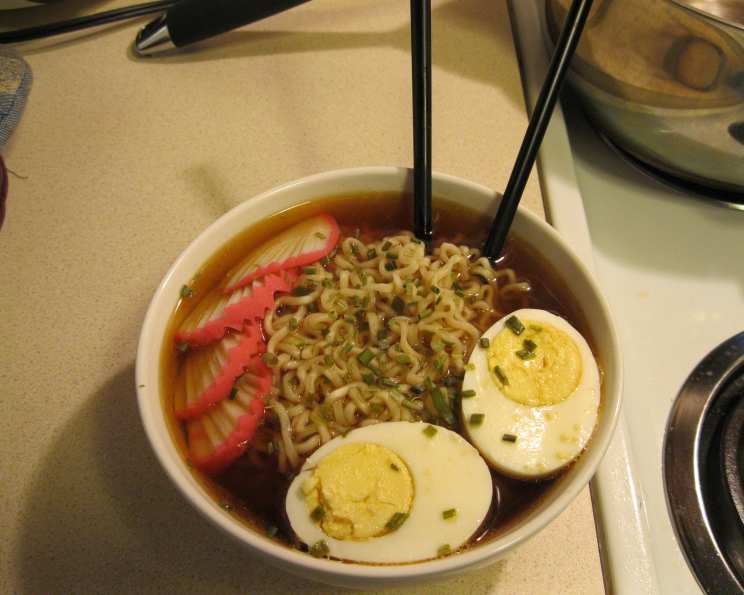
Shoyu Ramen: A Soul-Warming Bowl of Comfort
The first time I tasted true shoyu ramen was in a tiny, hole-in-the-wall shop in Tokyo. It wasn’t just the perfectly springy noodles or the savory broth that captured my heart; it was the way the aroma filled the air, a comforting blend of soy sauce, ginger, and garlic that promised warmth and satisfaction. Slurping down that first bowl, surrounded by locals, I felt a sense of belonging, a connection to a culture that celebrated simple, flavorful ingredients. This recipe attempts to recreate that experience, bringing the authentic taste of shoyu ramen to your kitchen.
Recipe Overview
- Prep Time: 20 minutes
- Cook Time: 30 minutes
- Total Time: 50 minutes
- Servings: 2-4
- Yield: Approximately 8 cups
- Dietary Type: Varies (see notes in ingredients)
Ingredients
- 2 (8 ounce) packages fresh Chinese noodles
- 1 garlic clove, finely chopped
- 1 teaspoon fresh ginger, finely chopped
- 1 teaspoon sesame oil
- 2 cups chicken soup base (for vegetarian option, use vegetable broth)
- 1 cup kombu dashi stock (can substitute with additional vegetable or chicken broth)
- 1 tablespoon sake (optional, can omit)
- 1 teaspoon salt
- 1 teaspoon sugar
- 3 tablespoons soy sauce
- 1⁄2 cup raw spinach
- 1⁄2 cup tofu, in small cubes (omit for a meat-based ramen, consider adding sliced pork belly)
- 1⁄2 cup carrot, thinly sliced
- 1⁄4 cup dried mushroom, broken into pieces (such as shiitake or wood ear)
- 2 scallions, sliced, greens and 1/4 inch of white
Equipment Needed
- Deep pan or pot
- Strainer
- Cutting board
- Knife
- Measuring cups and spoons
- Serving bowls
Instructions
-
Begin by preparing your aromatics. Heat the sesame oil in a deep pan or pot over medium heat.
-
Add the finely chopped ginger and garlic to the pan. Sauté them for about 1-2 minutes, until fragrant, being careful not to burn the garlic. This step is crucial for building the flavor base of your ramen.
-
Lower the heat to low. This prevents the aromatics from burning as you build the broth.
-
Pour in the chicken soup base (or vegetable broth) and kombu dashi stock into the pan. Bring the mixture to a boil. The kombu dashi adds a unique umami flavor that is characteristic of authentic ramen broth. If you can’t find it, simply use more vegetable or chicken broth, but the flavor will be slightly different.
-
Once boiling, add the sugar, salt, sake (if using), and soy sauce to the soup. Stir well to ensure everything is dissolved. The soy sauce is the star of shoyu ramen, so use a high-quality brand for the best flavor.
-
Simmer the broth for about 10 minutes to allow the flavors to meld together. This slow simmering process is key to a flavorful broth.
-
Carefully run the soup through a strainer lined with cheesecloth (optional) to remove any solids. This will create a smoother, clearer broth, but it’s not strictly necessary. Return the strained broth to the pot.
-
Add the tofu, carrots, noodles, and mushrooms to the broth. Heat through, cooking until the noodles are tender and the vegetables are slightly softened. Follow package instructions to cook the noodles properly. Overcooked noodles can make your ramen less enjoyable.
-
Just before serving, add the raw spinach and sliced scallions to the pot. The spinach will wilt quickly in the hot broth. The scallions add a fresh, vibrant flavor and a pop of color.
-
Spoon the noodles and vegetables into individual serving bowls. Ladle the hot broth over the noodles and vegetables. Make sure each bowl gets a good balance of noodles, toppings, and broth.
-
Serve immediately and enjoy!
Expert Tips & Tricks
- Broth is King: The quality of your broth will make or break your ramen. Don’t rush the simmering process; the longer it simmers, the deeper the flavor will become.
- Noodle Nirvana: Use fresh ramen noodles if possible. They have a superior texture compared to dried noodles. If you can’t find fresh noodles, look for high-quality dried ramen noodles at an Asian grocery store.
- Topping Temptation: Feel free to customize your ramen with your favorite toppings. Sliced pork belly (chashu), soft-boiled eggs (ajitsuke tamago), nori seaweed, and bamboo shoots (menma) are all popular additions.
- Umami Boost: For an extra boost of umami flavor, add a small piece of dried kombu seaweed to the broth while simmering. Remove it before serving.
- Spice it Up: If you like a little heat, add a dash of chili oil or a sprinkle of red pepper flakes to your ramen.
Serving & Storage Suggestions
Serve your shoyu ramen hot, garnished with extra scallions, sesame seeds, or a drizzle of sesame oil. For a complete meal, pair it with a side of gyoza (Japanese dumplings) or a small salad.
Leftover ramen can be stored in the refrigerator for up to 2 days. Store the noodles and broth separately to prevent the noodles from becoming soggy. Reheat the broth and noodles separately before combining them in a bowl. Reheat gently over low heat or in the microwave.
Freezing is not recommended as it will alter the texture of the noodles and vegetables. However, you can freeze the broth on its own for up to 3 months.
Nutritional Information
(Estimated per serving, based on 4 servings):
| Nutrient | Amount per Serving | % Daily Value |
|---|---|---|
| Calories | 450 kcal | 23% |
| Total Fat | 18g | 28% |
| Saturated Fat | 3g | 15% |
| Cholesterol | 15mg | 5% |
| Sodium | 1800mg | 75% |
| Total Carbohydrate | 55g | 18% |
| Dietary Fiber | 4g | 16% |
| Sugars | 5g | 10% |
| Protein | 20g | 40% |
Note: Nutritional information is an estimate and may vary depending on specific ingredients and portion sizes.
Variations & Substitutions
- Vegetarian/Vegan: Use vegetable broth instead of chicken soup base. Ensure your soy sauce and sake are vegan-friendly. Omit the tofu or substitute it with fried tofu or tempeh.
- Gluten-Free: Use gluten-free soy sauce (tamari) and gluten-free ramen noodles.
- Spicy Shoyu Ramen: Add a tablespoon of gochujang (Korean chili paste) or chili oil to the broth for a spicy kick.
- Miso Shoyu Ramen: Add a tablespoon of miso paste to the broth for a richer, more complex flavor.
- Rich Shoyu Ramen: Add a tablespoon of butter and a splash of heavy cream at the end.
FAQs (Frequently Asked Questions)
Q: Can I use dried noodles instead of fresh noodles?
A: Yes, you can use dried noodles, but fresh noodles will provide a better texture. Cook the dried noodles according to package directions separately and add them to the broth just before serving.
Q: Can I make the broth ahead of time?
A: Absolutely! The broth can be made a day or two in advance and stored in the refrigerator. In fact, the flavor often improves overnight.
Q: What is kombu dashi? Where can I find it?
A: Kombu dashi is a Japanese seaweed stock made from kombu (dried kelp). It adds a unique umami flavor to the broth. You can find it at Asian grocery stores or online.
Q: Can I add other vegetables to the ramen?
A: Yes, feel free to add your favorite vegetables, such as bean sprouts, corn, bok choy, or mushrooms.
Q: How do I make soft-boiled eggs (ajitsuke tamago) for ramen?
A: Gently lower eggs into boiling water and cook for 6-7 minutes. Immediately transfer them to an ice bath. Peel the eggs and marinate them in a mixture of soy sauce, mirin, and sake for at least a few hours, or overnight.
Final Thoughts
This Shoyu Ramen recipe is more than just a list of ingredients and instructions; it’s an invitation to create a comforting and flavorful experience in your own kitchen. Don’t be afraid to experiment with different toppings and variations to find your perfect bowl. Share your creations with friends and family, and let the warmth of this classic dish bring everyone together. I hope you enjoy the process of making this ramen as much as you enjoy eating it! Please let me know how it turned out in the comments below!