
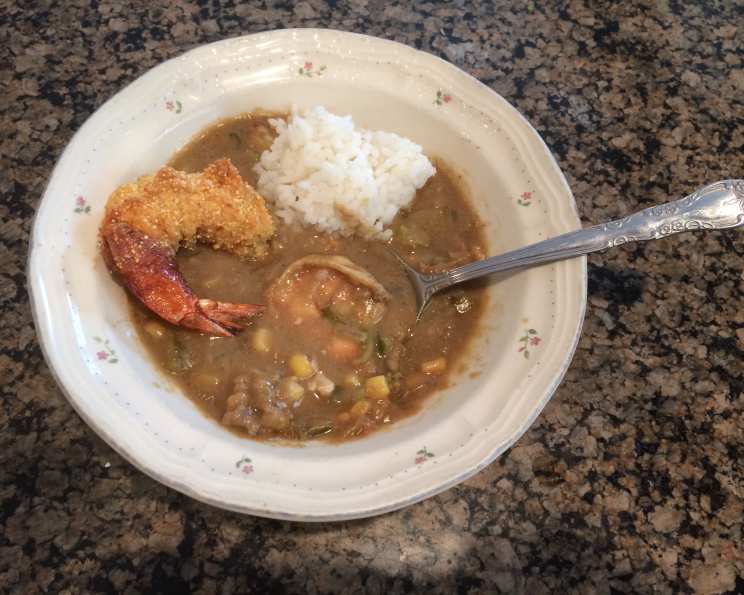
Shrimp and Oyster Gumbo: A Taste of Bourbon Street
The clatter of streetcars, the soulful wail of a saxophone, the humid air thick with anticipation – these are the sensory memories that flood back the moment I taste a proper gumbo. One sweltering August afternoon, wandering off the beaten path in New Orleans, I stumbled into a tiny, unassuming restaurant where a pot of gumbo simmered on the back burner, its aroma promising a taste of pure Creole magic. That first spoonful, rich with the smoky depth of a dark roux and the briny sweetness of Gulf seafood, transported me. I knew then I had to recreate that experience, and this recipe is my humble attempt to capture the soul of that Bourbon Street treasure.
Recipe Overview
- Prep Time: 30 minutes
- Cook Time: 1 hour
- Total Time: 1 hour 30 minutes
- Servings: 8
- Yield: 8 servings
- Dietary Type: Varies (see notes)
Ingredients
- 4 ounces canola oil
- 1 cup all-purpose flour
- 1 cup celery, chopped
- 1 cup bell pepper, chopped
- 1 large shallot, diced
- 1 large tomatoes, seeded and diced
- 4 large garlic cloves, diced
- 5 Calabrian chili peppers, diced
- 2 ears corn
- 1 lb raw oysters, retaining liquids
- 1 lb raw shrimp, 21-25 total, peeled and deveined, retaining shells
- 1 lb andouille sausage
- 32 ounces seafood stock
- ½ teaspoon Old Bay Seasoning
- 1 tablespoon hot sauce
- 1 tablespoon fresh thyme, finely chopped
- 1 tablespoon fresh oregano, finely chopped
- 1 tablespoon file powder (optional, see notes)
- 1 tablespoon kosher salt
- 1 teaspoon pepper, freshly ground
- 2 bay leaves
Ingredient Notes:
- For a gluten-free gumbo, substitute the all-purpose flour with a gluten-free all-purpose blend.
- If you cannot find Calabrian chili peppers, use another type of medium-heat chili, adjusting the quantity to taste.
- File powder is a traditional thickener made from ground sassafras leaves. While it adds a unique flavor and texture, it can be omitted if unavailable.
- The shrimp shells add extra flavor to the stock. If you prefer, you can use store-bought shrimp stock instead.
- For the hot sauce, use your favorite Louisiana-style brand for an authentic kick.
- If you don’t have fresh thyme or oregano, dried herbs can be substituted (use about 1 teaspoon each).
Equipment Needed
- Large heavy-bottomed pot or Dutch oven
- Hard plastic spatula
- Large saucepan
- Knife
- Cutting board
- Strainer or fine-mesh sieve
- Small skillet
Instructions
- Begin the Roux: In a large pot or Dutch oven over medium heat, add the canola oil. Once the oil is hot (but not smoking), gradually stir in the flour using a hard plastic spatula. This is the foundation of your gumbo, so take your time!
- Prepare the Corn: While preparing the roux, heat a pot of water with a teaspoon of sugar in it until it boils. Add the corn and heat until bubbling again, then reduce heat to a simmer. Cover and cook for 8 minutes. Remove the corn from the water. When cool enough to handle, cut the kernels off the cob and set aside.
- Infuse the Stock: Also while preparing the roux, heat the seafood stock in a separate saucepan over low heat. Add the shrimp shells and tails, along with any liquids retained from the oysters. Stir occasionally. Remove from heat when the roux is ready. Strain the shells and any other particles from the stock using a fine-mesh sieve. Set the infused stock aside.
- Develop the Roux: This is the most crucial step! Continue stirring and turning over the roux constantly until the color resembles chocolate, about 30 minutes. The roux should have a nutty aroma and a smooth, even color. Avoid burning the roux, as it will impart a bitter flavor. If it starts to smoke excessively or smell burnt, remove the pot from the heat immediately.
- Sauté the Aromatics: Add the shallots, celery, and bell peppers to the roux. Cook for 5 minutes, stirring constantly to ensure that every piece is coated in the roux. Season with salt and pepper. Scrape the bottom of the pan and move the vegetables around so they all have an equal amount of time on the bottom of the pot, preventing sticking.
- Add the Tomatoes, Garlic, and Chiles: Add the tomatoes, garlic, and chili peppers to the pot. Cook for about 5 minutes, continuing to scrape and stir as in the previous step, ensuring the garlic doesn’t burn.
- Incorporate the Stock and Seasonings: Slowly stir in the prepared seafood stock, followed by the corn kernels, bay leaves, oregano, thyme, and Old Bay. Bring the liquid up to a boil, about 8 minutes. Reduce the heat to medium, and continue cooking for 15 minutes, allowing the flavors to meld together.
- Brown the Sausage: While the stock is cooking, break the andouille sausage into small pieces and cook in a separate skillet over medium heat until browned and crispy. Remove the sausage from the pan and place it on paper towels to drain excess fat, but leave the rendered fat in the pan.
- Cook the Shrimp and Oysters: Using the same pan with the rendered sausage fat, add the shrimp and oysters. Sprinkle with file powder (if using) and cook over medium heat until the shrimp are pink and cooked through and the oysters are plump and slightly curled, flipping them over after a few minutes. This should only take a few minutes, as you don’t want to overcook the seafood.
- Combine and Simmer: Fold the cooked shrimp, oysters, and sausage into the pot of gumbo. Reduce the heat to low and simmer for 5 minutes to allow the flavors to combine. Add water, increasing or decreasing the amount to achieve your desired consistency.
- Final Touches: Remove the bay leaves and discard them.
- Serve: To assemble, ladle the gumbo into a bowl over a bed of cooked rice.
Expert Tips & Tricks
- Patience is key: Developing a proper dark roux takes time and attention. Don’t rush the process, or you’ll risk burning it.
- Consistency is everything: Stir the roux constantly to ensure even cooking and prevent sticking.
- Flavor layering: Building the flavors in stages – from the roux to the aromatics to the stock and seafood – creates a complex and deeply satisfying gumbo.
- Spice Level: Adjust the amount of chili peppers to control the heat level. Start with a smaller amount and add more to taste.
- Make Ahead: The gumbo base (before adding the seafood) can be made a day or two in advance. Store it in the refrigerator and add the shrimp and oysters just before serving.
Serving & Storage Suggestions
Serve the gumbo hot, ladled over a bed of fluffy white rice. Garnish with a sprinkle of fresh parsley or a dash of hot sauce, if desired.
Leftover gumbo can be stored in an airtight container in the refrigerator for up to 3 days. For longer storage, freeze the gumbo in individual portions for up to 2 months.
To reheat, thaw the gumbo in the refrigerator overnight (if frozen). Reheat gently on the stovetop over medium heat, stirring occasionally, until heated through.
Nutritional Information
| Nutrient | Amount per Serving | % Daily Value |
|---|---|---|
| Calories | 519 kcal | N/A |
| Total Fat | 32.4g | 49% |
| Saturated Fat | 7g | 35% |
| Cholesterol | 132.3mg | 44% |
| Sodium | 2001.1mg | 83% |
| Total Carbohydrate | 29.9g | 9% |
| Dietary Fiber | 2.6g | 10% |
| Sugars | 4.7g | N/A |
| Protein | 27.8g | 55% |
Note: Nutritional information is an estimate and may vary based on specific ingredients and portion sizes.
Variations & Substitutions
- Chicken and Sausage Gumbo: Substitute the shrimp and oysters with an equal amount of diced cooked chicken.
- Vegetarian Gumbo: Omit the sausage and seafood. Add more vegetables like okra, eggplant, or mushrooms. Use vegetable broth instead of seafood stock.
- Spicy Gumbo: Increase the amount of chili peppers or add a pinch of cayenne pepper to the roux.
- Seafood Medley Gumbo: Add other types of seafood, such as crab meat or crawfish tails.
FAQs (Frequently Asked Questions)
Q: What is the most important step in making gumbo?
A: Without a doubt, the roux is the heart and soul of a gumbo. The dark, nutty flavor it provides is essential for the dish’s depth and complexity.
Q: Can I make this gumbo without the seafood stock?
A: Yes, you can substitute chicken broth or vegetable broth if you don’t have seafood stock on hand. However, be aware that the flavor will be slightly different.
Q: How do I prevent my roux from burning?
A: The key is constant stirring and medium heat. If the roux starts to smoke excessively or smell burnt, immediately remove the pot from the heat.
Q: What does file powder do for the gumbo?
A: File powder acts as a thickener and adds a unique earthy flavor. If you can’t find it, the gumbo will still be delicious, just slightly less thick.
Q: Can I freeze leftover gumbo?
A: Absolutely! Gumbo freezes well. Store it in an airtight container for up to 2 months. Thaw overnight in the refrigerator before reheating.
Final Thoughts
This Shrimp and Oyster Gumbo is more than just a recipe; it’s an invitation to experience the vibrant flavors and warm hospitality of New Orleans. While mastering the dark roux may take a little practice, the reward is a bowl of comforting, deeply satisfying gumbo that will transport you to the heart of Bourbon Street with every spoonful. So, gather your ingredients, put on some jazz music, and let the gumbo-making begin! Don’t hesitate to experiment with variations to make it your own, and I’d love to hear about your culinary adventures in the comments below. Pair it with a crisp Abita Amber beer for an authentic Louisiana experience. Bon appétit!