
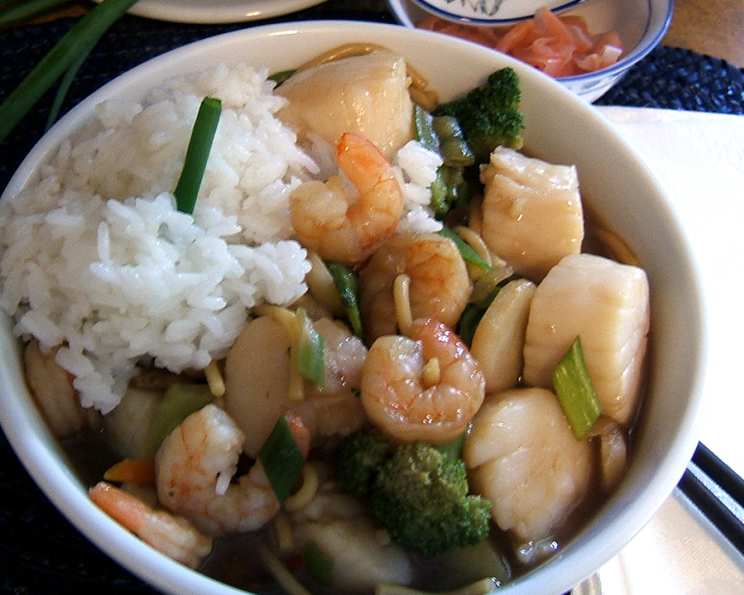
Shrimp and Scallop Stir-Fry: A Microwave Marvel
I remember the first time I made this dish. It wasn’t in a professional kitchen, but rather a tiny apartment with a trusty microwave and a yearning for something quick and flavorful on a sweltering summer evening. Flipping through a magazine while waiting for my dial-up internet to connect, I stumbled upon a simple stir-fry recipe made entirely in the microwave. Intrigued and skeptical, I gave it a shot, and the result was a surprisingly delicious and satisfying meal that became a regular in my easy weeknight repertoire. It’s a testament to how simple ingredients, combined with a little ingenuity, can create magic, even without traditional cooking methods.
Recipe Overview
- Prep Time: 15 minutes
- Cook Time: 14-19 minutes
- Total Time: 29-34 minutes
- Servings: 6
- Dietary Type: Pescatarian
Ingredients
- 2 cups Japanese-style vegetables (stir-fry mixture)
- 1 (6 ounce) package frozen pea pods
- 1/3 cup water
- 1 tablespoon cornstarch
- 3 tablespoons soy sauce
- 3 tablespoons sherry wine
- 1 tablespoon vegetable oil
- 2 teaspoons sugar
- 1/2 teaspoon ground ginger
- 1 lb medium shrimp, shelled and deveined
- 1/2 lb bay scallops
Equipment Needed
- 2-quart casserole dish
- 2-cup measuring cup
Instructions
- In a 2-quart casserole dish, combine the Japanese-style vegetables and frozen pea pods.
- Cover the casserole dish and microwave on High for 4-5 minutes, or until the vegetables are defrosted. Stir once to break them apart.
- Let the vegetables stand, still covered, for 5 minutes. This allows the residual heat to finish defrosting them gently.
- Drain the vegetables and set them aside. Getting rid of excess water is crucial for proper stir-frying.
- In a 2-cup measuring cup, blend together the water, cornstarch, soy sauce, sherry, vegetable oil, sugar, and ground ginger. Ensure there are no lumps of cornstarch remaining.
- Microwave the sauce mixture on High for 3 to 4 minutes, or until the mixture is thickened and translucent, stirring twice during the cooking process. The sauce should coat the back of a spoon.
- Pour the thickened sauce over the drained vegetables in the casserole dish.
- Stir in the shrimp and scallops. Make sure the seafood is evenly distributed among the vegetables.
- Re-cover the casserole dish and microwave on High for 7-10 minutes, or until the shrimp and scallops are opaque, stirring twice during the cooking process. The seafood should be firm to the touch, not rubbery.
- Let the stir-fry stand, covered, for 10 minutes before serving. This final resting period allows the flavors to meld together beautifully.
Expert Tips & Tricks
- Seafood Freshness is Key: Opt for the freshest shrimp and scallops you can find. Frozen seafood works well, but ensure it is completely thawed and patted dry before cooking to prevent a watery stir-fry.
- Don’t Overcook the Seafood: Overcooked shrimp and scallops become rubbery. Watch closely and test for doneness. They should be opaque and firm but still tender. The internal temperature should reach 145°F (63°C).
- Vegetable Prep Matters: If using fresh vegetables instead of a pre-cut Japanese-style mix, cut them into uniform sizes to ensure even cooking. Broccoli florets, sliced carrots, bell peppers, and snow peas are all great additions.
- Amp Up the Flavor: For an extra kick, add a pinch of red pepper flakes to the sauce mixture. You can also substitute fresh ginger for the ground ginger for a brighter, more intense flavor.
- Make Ahead Option: While best served fresh, you can prep the sauce and chop the vegetables a day ahead. Store them separately in the refrigerator and combine just before cooking.
Serving & Storage Suggestions
Serve the Shrimp and Scallop Stir-Fry immediately over a bed of cooked white rice or brown rice. Garnish with chopped green onions or toasted sesame seeds for added visual appeal.
Leftovers should be stored in an airtight container in the refrigerator. They will last for up to 2 days. Reheat gently in the microwave or in a skillet over medium heat, adding a splash of water or broth if needed to prevent drying out. The seafood may become slightly more rubbery upon reheating, so avoid overcooking. It is not recommended to freeze this dish, as the texture of the seafood will deteriorate significantly.
Nutritional Information
| Nutrient | Amount per Serving | % Daily Value |
|---|---|---|
| Calories | 193.2 kcal | N/A |
| Calories from Fat | 35g | 18% |
| Total Fat | 4 g | 6% |
| Saturated Fat | 0.6 g | 2% |
| Cholesterol | 127.7 mg | 42% |
| Sodium | 679.3 mg | 28% |
| Total Carbohydrate | 7.9 g | 2% |
| Dietary Fiber | 1 g | 3% |
| Sugars | 1.9 g | N/A |
| Protein | 23.5 g | 47% |
Please note: Nutritional information is an estimate and may vary based on specific ingredients and portion sizes.
Variations & Substitutions
- Gluten-Free: Use gluten-free soy sauce or tamari. Ensure all other ingredients are also gluten-free.
- Spicy Kick: Add a dash of sriracha or chili garlic sauce to the sauce for a spicier stir-fry.
- Vegetarian Option: Substitute the shrimp and scallops with firm tofu or tempeh cut into bite-sized pieces.
- Vegetable Variety: Feel free to experiment with different vegetables based on your preferences and availability. Broccoli, snap peas, bell peppers, mushrooms, and water chestnuts all work well.
- Lower Sodium: Use low-sodium soy sauce and reduce the amount of sugar in the sauce.
- Citrus Burst: Add a teaspoon of lemon or lime zest to the sauce to provide a refreshing, zesty lift.
FAQs (Frequently Asked Questions)
Q: Can I use fresh vegetables instead of frozen?
A: Yes, absolutely! Just make sure to cut them into even sizes so they cook evenly. You might need to adjust the cooking time slightly depending on the type and quantity of vegetables you use.
Q: Can I make this dish on the stovetop instead of in the microwave?
A: Yes, you can. Stir-fry the vegetables and seafood in a wok or large skillet over high heat. Add the sauce and cook until thickened and the seafood is cooked through.
Q: How do I know when the shrimp and scallops are done?
A: The shrimp should be pink and opaque, and the scallops should be firm to the touch and opaque throughout. Avoid overcooking, as this will make them rubbery.
Q: Can I use different types of seafood?
A: Yes, you can substitute other types of seafood, such as calamari or fish fillets, but keep in mind that the cooking time may need to be adjusted.
Q: Can I add noodles to this dish?
A: Yes, you can serve this stir-fry over noodles. Cook the noodles according to package directions and add them to the stir-fry after it’s finished cooking.
Final Thoughts
This Shrimp and Scallop Stir-Fry is a testament to the fact that delicious meals don’t always require hours in the kitchen or fancy equipment. Whether you’re a seasoned chef or a beginner cook, I encourage you to give this recipe a try. It’s a simple, flavorful, and satisfying dish that’s perfect for a quick weeknight dinner or a light lunch. Experiment with different vegetables and sauces to create your own unique version, and don’t hesitate to share your creations with friends and family. Enjoy the process, savor the flavors, and most importantly, have fun in the kitchen!