
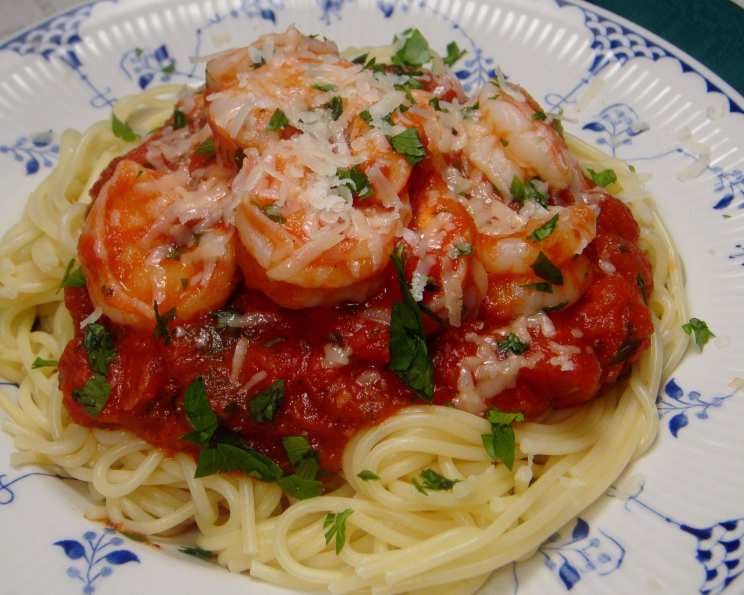
Shrimp and Tomato Pasta: A Taste of the Mediterranean
The aroma of garlic sizzling in olive oil always transports me back to my tiny apartment in Rome, where I spent a summer studying Italian cuisine. My landlady, Nonna Emilia, would often whip up a simple yet incredibly flavorful pasta dish with fresh shrimp and tomatoes, a testament to the power of simple, high-quality ingredients. The memory of those sun-drenched evenings, the lively chatter, and the vibrant flavors of the Mediterranean are forever entwined with this dish. It’s a taste of home, no matter where I am.
Recipe Overview
- Prep Time: 10 minutes
- Cook Time: 25 minutes
- Total Time: 35 minutes
- Servings: 4
- Dietary Type: Pescatarian
Ingredients
- 1 lb small shrimp, peeled and deveined
- 4 garlic cloves, minced
- 1/4 cup olive oil
- 1 teaspoon dried basil
- 1/4 teaspoon crushed red pepper flakes
- Salt and pepper to taste
- 3 tablespoons fresh parsley, chopped
- 1 (14 ounce) can diced tomatoes, undrained
- 1 lb linguine
- Freshly grated Parmesan cheese, for serving
Equipment Needed
- Large saucepan
- Large pot
- Colander
Instructions
-
In a large saucepan, combine the shrimp, minced garlic, olive oil, dried basil, crushed red pepper flakes, salt, pepper, chopped parsley, and undrained diced tomatoes.
-
Bring the mixture to a simmer over medium heat. Reduce the heat to low and allow it to simmer for 10-15 minutes, or until the shrimp turn pink and opaque. Be careful not to overcook the shrimp, as they can become rubbery. A gentle simmer is key to keeping them tender.
-
While the shrimp sauce is simmering, bring a large pot of salted water to a boil.
-
Add the linguine to the boiling water and cook according to package directions, usually around 10-12 minutes, or until al dente. “Al dente” means the pasta should be firm to the bite, not mushy.
-
Once the linguine is cooked, drain the water using a colander. Be sure to reserve about ½ cup of the pasta water before draining. This starchy water can be added to the sauce to help it cling to the pasta.
-
Place individual servings of the linguine on plates.
-
Spoon the shrimp and tomato sauce generously over the linguine.
-
Sprinkle with freshly grated Parmesan cheese to taste.
Expert Tips & Tricks
- Shrimp Selection: Use fresh or frozen shrimp, but if using frozen, be sure to thaw them completely and pat them dry before adding them to the sauce. This will help them brown better and prevent the sauce from becoming watery.
- Garlic Flavor: For a more intense garlic flavor, add half of the minced garlic at the beginning of the simmering process and the other half a few minutes before the shrimp are done. This allows the initial garlic to infuse the oil, while the later addition provides a fresher, more pungent note.
- Tomato Quality: Opt for high-quality diced tomatoes for the best flavor. San Marzano tomatoes are a great choice if you can find them. Their natural sweetness and low acidity will elevate the dish.
- Spice Level: Adjust the amount of crushed red pepper flakes to your liking. If you prefer a milder flavor, omit them altogether. For a spicier dish, add a pinch more.
- Acid Balance: If the sauce tastes a little flat, add a squeeze of fresh lemon juice or a splash of white wine vinegar at the end. This will brighten the flavors and balance the acidity of the tomatoes.
- Fresh Herbs: While dried basil is used in the base recipe, consider adding fresh basil leaves at the end for an extra burst of flavor and aroma.
- Pasta Water Magic: As mentioned earlier, don’t discard all the pasta water after cooking the linguine. The starch-rich water helps emulsify the sauce, creating a silkier and more cohesive dish. Add a little at a time until you reach your desired consistency.
- Make-Ahead Prep: To save time, you can peel and devein the shrimp, mince the garlic, and chop the parsley ahead of time. Store them in separate airtight containers in the refrigerator until you’re ready to cook.
Serving & Storage Suggestions
Serve the Shrimp and Tomato Pasta immediately after preparing it for the best flavor and texture. Garnish with extra fresh parsley and a generous grating of Parmesan cheese. A side of crusty bread is perfect for soaking up the delicious sauce.
Storage: Leftovers can be stored in an airtight container in the refrigerator for up to 3 days.
Reheating: Reheat the pasta in a skillet over medium heat, adding a splash of water or chicken broth to prevent it from drying out. You can also reheat it in the microwave, but be careful not to overcook the shrimp.
Freezing: While not ideal, you can freeze this dish. The pasta texture may change slightly upon thawing. Freeze in a freezer-safe container for up to 2 months. Thaw overnight in the refrigerator before reheating.
Nutritional Information
| Nutrient | Amount per Serving | % Daily Value |
|---|---|---|
| Calories | 550 kcal | 28% |
| Total Fat | 20g | 31% |
| Saturated Fat | 5g | 25% |
| Cholesterol | 180mg | 60% |
| Sodium | 500mg | 21% |
| Total Carbohydrate | 65g | 22% |
| Dietary Fiber | 5g | 20% |
| Sugars | 8g | – |
| Protein | 35g | 70% |
Note: Nutritional information is an estimate and may vary based on specific ingredients and portion sizes.
Variations & Substitutions
- Gluten-Free: Use gluten-free pasta instead of linguine. Many brands offer excellent gluten-free options that cook similarly to traditional pasta.
- Spicy Shrimp Fra Diavolo: Increase the amount of crushed red pepper flakes for a spicier dish. You can also add a pinch of cayenne pepper for extra heat.
- Creamy Tomato Sauce: Stir in a dollop of heavy cream or crème fraîche at the end for a richer, creamier sauce.
- Vegetarian: Omit the shrimp and add other vegetables such as zucchini, bell peppers, or mushrooms.
- Seafood Medley: Add other seafood such as scallops, mussels, or clams to the sauce for a more complex flavor.
- Pesto Shrimp Pasta: Stir in a few tablespoons of pesto at the end for a vibrant and herbaceous twist.
- Lemon Garlic Shrimp Pasta: Add the zest and juice of one lemon to the sauce for a bright and refreshing flavor.
- Whole Wheat Pasta: For a more nutritious option, substitute whole wheat pasta for the linguine.
- Different Pasta Shapes: Feel free to experiment with different pasta shapes, such as spaghetti, fettuccine, or penne.
FAQs (Frequently Asked Questions)
Q: Can I use pre-cooked shrimp?
A: While it’s best to cook the shrimp in the sauce for optimal flavor, you can use pre-cooked shrimp. Just add it towards the end of the cooking time to avoid overcooking.
Q: How do I know when the shrimp is cooked?
A: Shrimp is cooked when it turns pink and opaque throughout. Avoid overcooking it, as it will become rubbery.
Q: Can I make this dish ahead of time?
A: You can prepare the sauce ahead of time and store it in the refrigerator for up to 2 days. Cook the pasta just before serving.
Q: Can I use canned shrimp instead of fresh or frozen?
A: Canned shrimp can be used in a pinch, but the flavor and texture won’t be as good as fresh or frozen shrimp.
Q: Can I add white wine to the sauce?
A: Absolutely! Add about 1/2 cup of dry white wine to the sauce after sautéing the garlic. Let it simmer for a few minutes to reduce slightly before adding the tomatoes.
Final Thoughts
This Shrimp and Tomato Pasta is more than just a recipe; it’s an invitation to create memories around the dinner table. Its simplicity allows the flavors of fresh ingredients to shine, offering a comforting and satisfying meal that’s perfect for any occasion. So, gather your ingredients, put on some music, and let the aroma of garlic and tomatoes fill your kitchen. I encourage you to try this recipe and make it your own by experimenting with different variations and substitutions. Share your creations and experiences – I’d love to hear how this dish brings a taste of the Mediterranean to your home! Pair it with a crisp glass of Pinot Grigio and a simple green salad for a complete and delightful meal. Buon appetito!