
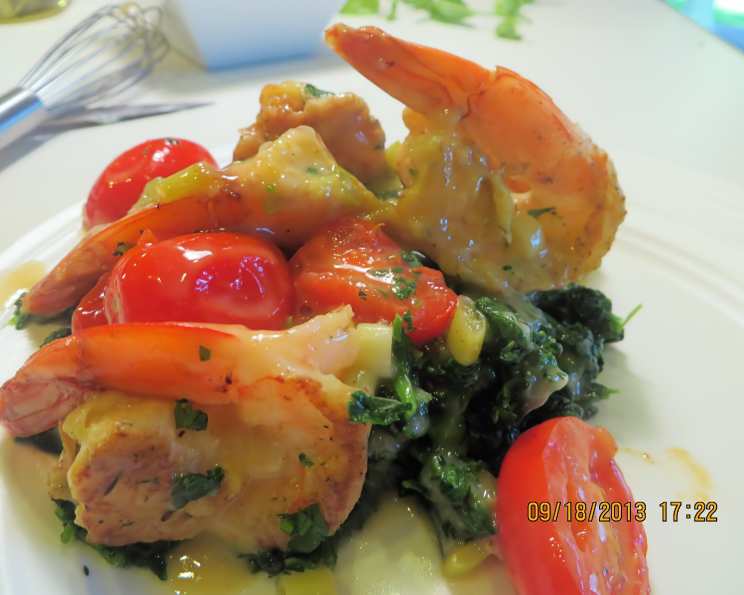
Shrimp Francese: A Culinary Symphony of Flavors
The first time I tasted Shrimp Francese, I was at a small, family-run Italian restaurant tucked away in a quiet corner of Little Italy. The aroma alone – a blend of lemon, butter, and the sweet scent of shrimp – was enough to transport me. But the first bite? That was pure magic. The delicate, egg-battered shrimp, the bright, tangy sauce, the perfectly wilted spinach… it was a revelation. It was then I knew I needed to recreate this masterpiece at home.
Recipe Overview
- Prep Time: 20 minutes
- Cook Time: 15 minutes
- Total Time: 35 minutes
- Servings: 4
- Dietary Type: Pescatarian
Ingredients
- 1 1/4 lbs large shrimp, about 20 shrimp
- 4 large eggs
- 1 teaspoon kosher salt
- 1/2 teaspoon pepper
- 2 tablespoons fresh parsley, finely chopped
- 1/4 cup olive oil, for frying
- 1 1/2 cups all-purpose flour
- 2/3 cup low-sodium chicken broth
- 3/4 cup dry white wine
- 1 1/2 lemons, juiced
- 1 cup cherry tomatoes, halved
- 4 tablespoons unsalted butter, cold and cut into small pieces
- 10 ounces baby spinach, 2 (5-ounce) bags
Equipment Needed
- Large skillet
- Shallow bowl
- Whisk
- Microwave-safe bowl
- Plastic wrap
- Paper towels
Instructions
-
Prepare the shrimp: Butterfly each shrimp by making a deep cut along the outer curved edge, then spread it open like a book. Ensure they lay relatively flat. Pat the butterflied shrimp completely dry with paper towels. This is crucial for achieving a beautiful sear and ensuring the batter adheres properly.
-
Prepare the egg mixture: In a medium bowl, whisk together the eggs, salt, pepper, and 1 tablespoon of the freshly chopped parsley until well combined and slightly frothy. Set aside.
-
Heat the olive oil: Pour about 1/8 inch of olive oil into a large skillet. Heat over medium-high heat. The oil is ready when it shimmers and a small flick of flour sizzles immediately. Avoid overheating the oil, as it will burn the shrimp before it cooks through.
-
Dredge the shrimp: Place the flour in a shallow bowl. Working in batches to avoid overcrowding the pan, dredge each shrimp in the flour, ensuring it’s fully coated. Then, dip the floured shrimp into the egg mixture, letting any excess drip off.
-
Fry the shrimp: Carefully place the egg-coated shrimp into the hot skillet, cut-side down. Fry, turning once, until lightly browned and cooked through, about 3 minutes total. Don’t overcrowd the pan; work in batches. Overcrowding lowers the oil temperature and results in soggy, unevenly cooked shrimp.
-
Drain the shrimp: Transfer the fried shrimp to a plate lined with paper towels to drain excess oil. This will help maintain their crispiness.
-
Prepare the sauce: Pour out any excess oil from the skillet and wipe it clean. Add the chicken broth, white wine, and lemon juice to the skillet. Bring the mixture to a boil over medium-high heat, allowing the alcohol to cook off.
-
Add the tomatoes: Add the halved cherry tomatoes to the sauce. Cook until the sauce is slightly reduced and the tomatoes have softened, about 4 minutes. The tomatoes will release their juices, adding sweetness and depth to the sauce.
-
Emulsify the butter: Push the tomatoes to one side of the skillet. Reduce the heat to low. Whisk in the cold butter, a few pieces at a time, until the sauce is smooth and emulsified. The cold butter adds richness and helps to create a velvety texture. Don’t add all the butter at once, or the sauce may separate.
-
Add the shrimp and parsley: Gently stir the shrimp back into the sauce along with the remaining 1 tablespoon of parsley. Ensure the shrimp are coated in the sauce.
-
Prepare the spinach: While the shrimp is simmering in the sauce, place the baby spinach in a microwave-safe bowl. Sprinkle with a little water and season with salt and pepper. Cover the bowl with plastic wrap and pierce it several times with a fork or knife to allow steam to escape. Microwave until the spinach is wilted, about 3-5 minutes. Alternatively, sauté the spinach in a pan with a little olive oil until wilted.
-
Serve: Divide the wilted spinach among plates. Top with the shrimp Francese and generously spoon the sauce over the shrimp and spinach. Serve immediately.
Expert Tips & Tricks
- Butterflying like a Pro: For uniformly cooked shrimp, butterfly them deeply but be careful not to cut all the way through. The goal is to create a wider surface area for even cooking and sauce absorption.
- Temperature is Key: Maintain the correct oil temperature for frying. If the oil isn’t hot enough, the shrimp will absorb too much oil and become greasy. If it’s too hot, the batter will burn before the shrimp cooks through.
- Deglazing Delight: Don’t skip deglazing the pan after frying the shrimp. Those browned bits at the bottom are packed with flavor and will elevate your sauce.
- Lemon Zest Boost: For an extra layer of bright citrus flavor, add a teaspoon of lemon zest to the sauce while it’s simmering.
- Butter Bliss: Ensure the butter is cold before adding it to the sauce. This helps create a richer, creamier emulsion.
Serving & Storage Suggestions
Shrimp Francese is best served immediately while the shrimp are tender and the sauce is at its peak. Garnish with a lemon wedge and a sprinkle of fresh parsley for an elegant presentation.
Leftovers can be stored in an airtight container in the refrigerator for up to 2 days. Reheat gently in a skillet over low heat, adding a splash of chicken broth or white wine to prevent the sauce from drying out. Microwaving is not recommended, as it can make the shrimp rubbery. The dish is not suitable for freezing.
Nutritional Information
| Nutrient | Amount per Serving | % Daily Value |
|---|---|---|
| Calories | 420 kcal | 21% |
| Total Fat | 25g | 38% |
| Saturated Fat | 12g | 60% |
| Cholesterol | 250mg | 83% |
| Sodium | 800mg | 33% |
| Total Carbohydrate | 15g | 5% |
| Dietary Fiber | 2g | 8% |
| Sugars | 5g | – |
| Protein | 30g | 60% |
Variations & Substitutions
- Gluten-Free: Substitute the all-purpose flour with a gluten-free blend for a gluten-free version. Ensure the chicken broth is also gluten-free.
- Dairy-Free: Replace the butter with a dairy-free butter alternative or olive oil.
- Wine Alternative: If you prefer not to use wine, substitute it with an equal amount of chicken broth and a tablespoon of lemon juice.
- Spicy Kick: Add a pinch of red pepper flakes to the sauce for a subtle heat.
- Vegetable Medley: Add other vegetables like zucchini or asparagus to the spinach for a more substantial side dish.
FAQs (Frequently Asked Questions)
Q: Can I use frozen shrimp for this recipe?
A: Yes, but ensure the shrimp is fully thawed and patted dry before using. Excess moisture will prevent the batter from adhering properly and result in soggy shrimp.
Q: Can I make the sauce ahead of time?
A: Yes, you can prepare the sauce a few hours in advance. Store it in the refrigerator and reheat gently before adding the shrimp.
Q: How do I know when the shrimp is cooked through?
A: The shrimp is cooked when it turns pink and opaque. Avoid overcooking, as it can become rubbery.
Q: Can I use a different type of wine?
A: A dry white wine like Pinot Grigio, Sauvignon Blanc, or Chardonnay works best. Avoid sweet wines, as they will alter the flavor of the sauce.
Q: What can I serve with Shrimp Francese?
A: Shrimp Francese pairs well with pasta, rice, or a simple salad. A crusty bread is also a great accompaniment to soak up the delicious sauce.
Final Thoughts
Now it’s your turn! Gather your ingredients, embrace the process, and create a dish that will transport you and your loved ones to a quaint Italian trattoria. Don’t be afraid to experiment with variations and make it your own. And most importantly, savor every delicious bite. Share your creations and feedback – I can’t wait to hear about your culinary adventures with Shrimp Francese! Pair this dish with a chilled glass of Pinot Grigio for a truly unforgettable dining experience.