
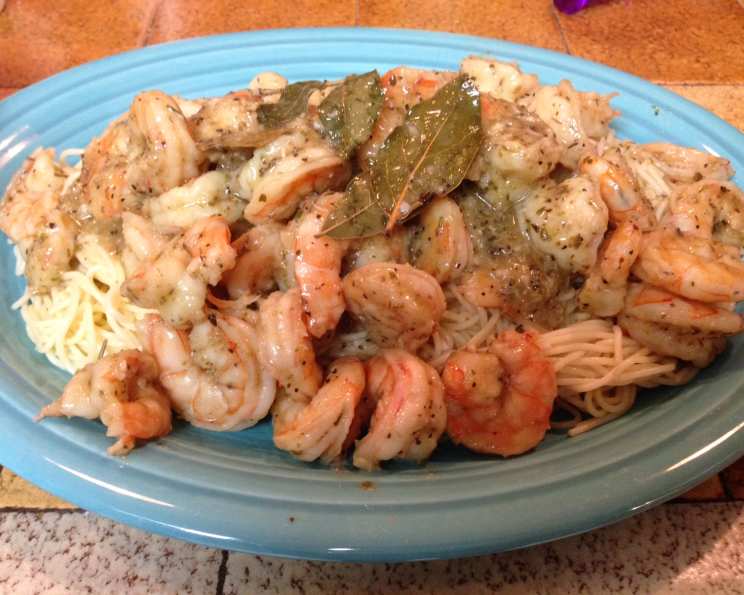
Shrimp Mosca: A Taste of New Orleans
The first time I tasted Shrimp Mosca, it was a revelation. It wasn’t in a fancy restaurant with starched linens, but in a dimly lit, boisterous dining room just outside of New Orleans. The air hung thick with the scent of garlic, olive oil, and something deeply comforting. We sat elbow-to-elbow with strangers who quickly became friends, tearing chunks of crusty bread to soak up every last drop of that incredible sauce. That memory, the warmth of the room, the shared laughter, and the unforgettable flavors, has stayed with me ever since. This recipe strives to recapture that magic.
Recipe Overview
- Prep Time: 15 minutes
- Cook Time: 25 minutes
- Total Time: 40 minutes
- Servings: 2-4 (depending on appetizer or main course)
- Yield: Variable, depending on shrimp size
- Dietary Type: Pescatarian
Ingredients
- 2 lbs fresh, unpeeled shrimp (15-20 count)
- 6-8 garlic cloves, minced
- 2 bay leaves
- 1 teaspoon freshly ground black pepper
- 1 teaspoon salt
- 1 teaspoon dried rosemary, crushed
- 1 teaspoon dried oregano, crushed
- 2 ounces extra virgin olive oil
- 1 ounce Sauterne white wine (or a similar sweet white wine)
Equipment Needed
- Large frying pan or skillet
- Tongs
- Serving bowl
Instructions
- Begin by preparing your ingredients. Mince the garlic cloves and set them aside. Combine the black pepper, salt, rosemary, and oregano in a small bowl.
- Heat the extra virgin olive oil in a large frying pan or skillet over medium-high heat. Ensure the pan is hot before adding the shrimp.
- Add the shrimp to the hot pan in a single layer. If necessary, cook the shrimp in batches to avoid overcrowding the pan, which can lower the temperature and steam the shrimp instead of sautéing it.
- Sprinkle the garlic and the spice mixture evenly over the shrimp. Add the bay leaves to the pan.
- Sauté the shrimp for approximately 15 minutes, stirring occasionally, until the shrimp turn pink and are almost cooked through. The exact cooking time will depend on the size of the shrimp. Be careful not to overcook the shrimp, as they will become rubbery.
- Pour the Sauterne white wine into the pan.
- Reduce the heat to low and simmer for an additional 10 minutes, allowing the wine to reduce and create a flavorful sauce. Stir occasionally to ensure the shrimp are evenly coated in the sauce.
- Remove the pan from the heat.
- Serve immediately. The shrimp are traditionally peeled at the table and served with plenty of hot, crusty bread for dunking into the delicious sauce.
Expert Tips & Tricks
- Don’t skimp on the garlic: The garlic is a crucial element of Shrimp Mosca. Use fresh garlic, and don’t be afraid to add an extra clove or two if you’re a garlic lover.
- Use good quality olive oil: Extra virgin olive oil has the best flavor and will make a noticeable difference in the final dish.
- Crush the dried herbs: Crushing the dried rosemary and oregano in your hand before adding them to the pan releases their essential oils, intensifying their flavor.
- Deglaze the pan: If you notice any browned bits stuck to the bottom of the pan after sautéing the shrimp, use the wine to deglaze the pan. Scrape up the browned bits with a spoon to incorporate them into the sauce for added flavor.
- Adjust the spice level: If you prefer a spicier dish, add a pinch of red pepper flakes to the spice mixture.
- Freshness is key: Use the freshest shrimp you can find for the best flavor and texture. If using frozen shrimp, thaw them completely before cooking.
- Don’t overcrowd the pan: Cook the shrimp in batches to ensure they cook evenly and develop a nice sear.
Serving & Storage Suggestions
Serve Shrimp Mosca immediately while it’s hot and the sauce is at its peak flavor. The traditional serving method is family-style, in a large bowl with crusty bread on the side for dipping.
Leftover Shrimp Mosca can be stored in an airtight container in the refrigerator for up to 2 days. To reheat, gently warm the shrimp and sauce in a skillet over low heat, or microwave in short intervals, stirring frequently, until heated through. Be careful not to overcook the shrimp when reheating, as they can become tough.
Shrimp Mosca is best enjoyed fresh, but it can be frozen for up to 1 month. Thaw completely in the refrigerator before reheating. Note that the texture of the shrimp may be slightly altered after freezing.
Nutritional Information
| Nutrient | Amount per Serving (estimated) | % Daily Value (based on 2000 calorie diet) |
|---|---|---|
| Calories | 550 kcal | 28% |
| Total Fat | 35g | 45% |
| Saturated Fat | 6g | 30% |
| Cholesterol | 350mg | 117% |
| Sodium | 1500mg | 65% |
| Total Carbohydrate | 5g | 2% |
| Dietary Fiber | 1g | 4% |
| Sugars | 1g | – |
| Protein | 50g | 100% |
Note: Nutritional information is an estimate and may vary based on specific ingredients and portion sizes.
Variations & Substitutions
- Spicy Shrimp Mosca: Add a pinch of red pepper flakes or a dash of hot sauce to the sauce for a spicy kick.
- Lemon Shrimp Mosca: Add the zest and juice of one lemon to the sauce for a brighter, more citrusy flavor.
- Herb Variations: Experiment with different herbs, such as thyme, basil, or parsley, in addition to or instead of the rosemary and oregano.
- Wine Substitution: If you don’t have Sauterne, you can substitute another sweet white wine, such as Moscato or Riesling. In a pinch, you can use dry white wine with a teaspoon of honey or sugar added.
- Vegetarian Option: While not Shrimp Mosca, you can use this sauce with other ingredients, such as mushrooms or artichoke hearts, for a vegetarian appetizer.
FAQs (Frequently Asked Questions)
Q: Can I use frozen shrimp for this recipe?
A: Yes, you can use frozen shrimp. Be sure to thaw them completely before cooking and pat them dry with paper towels to remove excess moisture.
Q: Do I have to use Sauterne wine?
A: Sauterne is the traditional wine used in Shrimp Mosca, but you can substitute another sweet white wine like Moscato or Riesling. If you only have dry white wine, add a touch of sugar or honey to balance the acidity.
Q: How do I know when the shrimp are done?
A: The shrimp are done when they turn pink and opaque. Be careful not to overcook them, as they will become rubbery.
Q: Can I make this ahead of time?
A: It’s best to serve Shrimp Mosca immediately after cooking. If you need to make it ahead of time, store the cooked shrimp and sauce separately in the refrigerator and reheat gently before serving.
Q: What kind of bread should I serve with Shrimp Mosca?
A: Crusty French bread or Italian bread is ideal for soaking up the delicious sauce.
Final Thoughts
Shrimp Mosca is more than just a dish; it’s an experience. It’s a celebration of simple ingredients, bold flavors, and the joy of sharing a meal with friends and family. I encourage you to try this recipe and bring a taste of New Orleans to your own table. Don’t be afraid to experiment with variations and make it your own. And most importantly, remember to have plenty of crusty bread on hand for soaking up every last drop of that incredible sauce! Enjoy!