
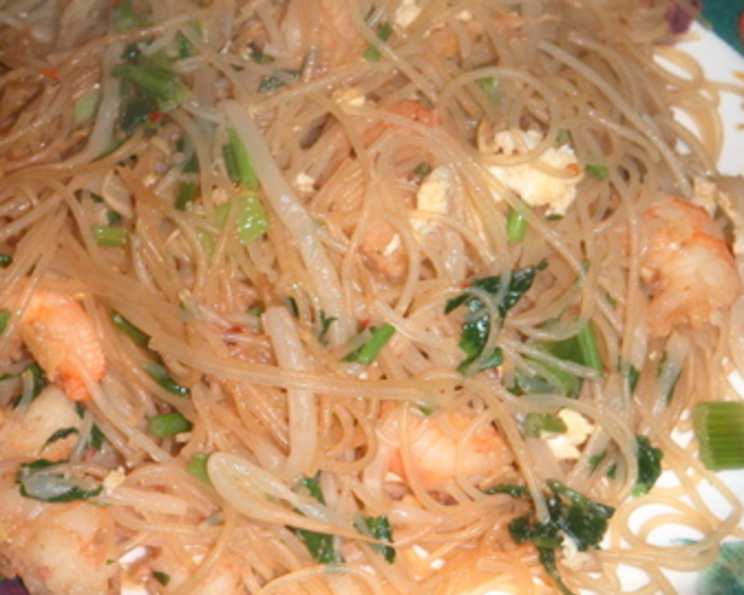
Shrimp Pad Thai: A Taste of Thailand at Home
The first time I tasted Pad Thai, I was a wide-eyed culinary student backpacking through Southeast Asia. The bustling Bangkok street food stalls were a symphony of sizzling woks and exotic aromas, but it was the Pad Thai vendor, expertly tossing noodles with shrimp and peanuts, who truly captivated me. That first bite – the perfect balance of sweet, sour, salty, and savory – was an awakening. It was a moment I knew I wanted to recreate back in my own kitchen, a memory I hoped to share through my cooking.
Recipe Overview
- Prep Time: 15 minutes
- Cook Time: 15 minutes
- Total Time: 30 minutes
- Servings: 4
- Dietary Type: Gluten-Free (if using gluten-free soy sauce)
Ingredients
- 1 1⁄2 tablespoons vegetable oil, divided (I like to use dark sesame seed oil for extra flavor)
- 1 tablespoon garlic, minced
- 1 tablespoon gingerroot, minced
- 16 large shrimp, peeled and deveined
- 1 large egg, lightly beaten
- 2 tablespoons soy sauce (use gluten-free if needed)
- 1 tablespoon fish sauce
- 1 tablespoon rice wine vinegar
- 1⁄2 teaspoon red pepper flakes
- 1 teaspoon brown sugar
- 7 ounces rice noodles, soaked in warm water for 10 to 15 minutes then drained
- 1⁄2 cup bean sprouts
- 3 scallions, sliced
- 1 cup cilantro leaf, chopped (optional)
- 1 lime, juice and zest of
Equipment Needed
- Wok or large frying pan
- Mixing bowls
- Measuring spoons and cups
- Tongs or spatula
Instructions
-
Begin by preparing all your ingredients. Mince the garlic and ginger, peel and devein the shrimp, lightly beat the egg, slice the scallions, and chop the cilantro (if using). Combine the soy sauce, fish sauce, rice wine vinegar, red pepper flakes, and brown sugar in a small bowl. This ensures a smooth and quick addition to the wok later.
-
Soak the rice noodles in warm water for 10 to 15 minutes, or until they are pliable but not mushy. Drain them thoroughly and set aside. This is a critical step; properly softened noodles are key to great Pad Thai.
-
Heat 1 tablespoon of vegetable oil in a wok or large frying pan over medium-high heat. Make sure the pan is hot before adding the oil.
-
Add the minced garlic and ginger to the hot oil and sauté for about 30 seconds, or until lightly golden and fragrant. Be careful not to burn the garlic, as it can become bitter.
-
Add the shrimp to the wok and cook for 1 to 2 minutes, tossing frequently, until they turn pink and are just cooked through. Overcooked shrimp will be rubbery, so watch them carefully. Remove the shrimp from the wok and set aside in a bowl.
-
Add 1/2 tablespoon of vegetable oil to the same wok or pan. Pour in the lightly beaten egg. Stir and scramble the egg into small pieces. Once cooked, remove the egg and set aside with the shrimp.
-
Heat the remaining vegetable oil in the pan. Add the soy sauce, fish sauce, rice wine vinegar, red pepper flakes, and brown sugar mixture to the pan. Stir briefly to combine the ingredients.
-
Add the drained rice noodles to the pan and cook for 5 minutes, stirring frequently to coat the noodles with the sauce. Ensure the noodles are heated through and absorbing the flavors.
-
Add the bean sprouts, chopped scallions, and cilantro (if using) to the wok. Mix well and continue to cook until the noodles are heated through, about 1-2 minutes more.
-
Add the cooked shrimp and egg back into the wok. Toss everything together with the lime zest and lime juice.
-
Taste and season, if necessary, with a little more soy sauce or fish sauce. Remember that fish sauce is quite salty, so add it sparingly.
-
Serve immediately. While traditionally served without rice, some enjoy it over white rice.
Expert Tips & Tricks
- Mise en Place is Key: As with many stir-fries, having all your ingredients prepped and ready to go before you start cooking is essential. This will prevent you from burning ingredients or overcooking the shrimp while you’re scrambling to chop vegetables.
- Don’t Overcrowd the Pan: Cooking in batches, especially when adding the shrimp, prevents the temperature of the wok from dropping too much and ensures everything cooks evenly.
- Noodle Perfection: The texture of the noodles is crucial. Avoid oversoaking, as they will become mushy. If the noodles are sticking together in the pan, add a splash more oil.
- Adjust the Heat: Feel free to adjust the amount of red pepper flakes to suit your spice preference.
- Add Crunch: For extra texture, consider adding crushed peanuts on top before serving.
Serving & Storage Suggestions
Serve your Shrimp Pad Thai hot, garnished with extra cilantro, a wedge of lime, and a sprinkle of crushed peanuts.
Leftovers can be stored in an airtight container in the refrigerator for up to 2 days. Reheat gently in a wok or frying pan over medium heat, adding a splash of water or broth if needed to prevent sticking. While it’s best enjoyed fresh, the flavors will still be delicious the next day. Freezing is not recommended as the noodles can become mushy upon thawing.
Nutritional Information
| Nutrient | Amount per Serving | % Daily Value |
|---|---|---|
| Calories | 350 kcal | 18% |
| Total Fat | 12g | 15% |
| Saturated Fat | 2g | 10% |
| Cholesterol | 100mg | 33% |
| Sodium | 1200mg | 50% |
| Total Carbohydrate | 45g | 15% |
| Dietary Fiber | 2g | 8% |
| Sugars | 8g | N/A |
| Protein | 20g | 40% |
Note: Nutritional information is an estimate and may vary based on specific ingredients and portion sizes.
Variations & Substitutions
- Vegetarian Pad Thai: Omit the shrimp and use tofu or tempeh instead.
- Chicken Pad Thai: Substitute the shrimp with bite-sized pieces of chicken breast or thigh.
- Gluten-Free: Ensure you use gluten-free soy sauce.
- Extra Vegetables: Add other vegetables like shredded carrots, bell peppers, or snow peas for added nutrients and texture.
- Peanut Sauce: For a richer flavor, add a tablespoon of peanut butter to the sauce mixture.
- Spicy Kick: Add a dash of sriracha for extra heat.
FAQs (Frequently Asked Questions)
Q: Can I make Pad Thai ahead of time?
A: While it’s best served fresh, you can prep the ingredients (chop vegetables, make the sauce) ahead of time to shorten the cooking process. The noodles are best cooked right before serving.
Q: My noodles are sticking together. What can I do?
A: Make sure you drain the noodles well after soaking. When cooking, add a little more oil to the wok and stir frequently to prevent sticking.
Q: Can I use a different type of noodle?
A: Traditionally, Pad Thai uses thin, flat rice noodles. While you can experiment with other types, the texture and flavor may differ.
Q: How do I adjust the sweetness and sourness?
A: Adjust the amount of brown sugar for sweetness and lime juice for sourness to suit your taste preferences.
Q: Can I make this without fish sauce?
A: Fish sauce adds a unique umami flavor, but you can substitute it with an equal amount of soy sauce or a vegetarian fish sauce alternative. The flavor profile will be slightly different.
Final Thoughts
Shrimp Pad Thai is more than just a dish; it’s an experience. It’s a journey to the vibrant streets of Thailand, right in your own kitchen. Don’t be afraid to experiment with the flavors and ingredients to make it your own. I encourage you to try this recipe, share your culinary creations, and let me know how it turns out. Serve it with a refreshing Thai iced tea or a light, crisp beer for the perfect meal. Enjoy!