
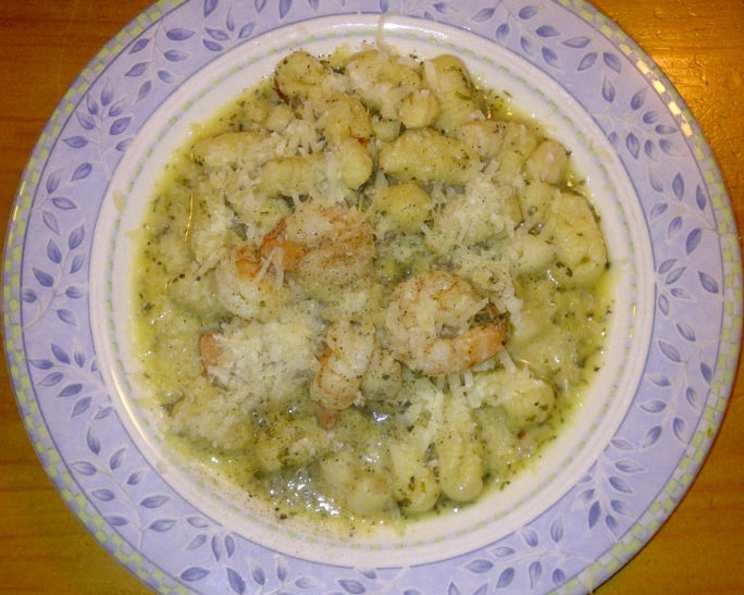
Shrimp Pasta in White Wine Sauce
The first time I tasted shrimp pasta in white wine sauce, I was a wide-eyed culinary student interning at a small trattoria on the Amalfi Coast. The simplicity of the dish was a revelation; succulent shrimp, bathed in a delicate, fragrant sauce, clinging to perfectly al dente pasta. I remember the balmy evening air, the scent of lemons hanging heavy in the air, and the boisterous laughter of the locals as I savored each bite. This dish wasn’t just food; it was an experience, a memory etched in my mind, and a constant reminder of the magic that simple, fresh ingredients can create.
Recipe Overview
- Prep Time: 15 minutes
- Cook Time: 35 minutes
- Total Time: 50 minutes
- Servings: 3-4
- Yield: About 4 cups
- Dietary Type: Pescatarian
Ingredients
- 14 ounces medium raw shrimp (or 400 g raw shrimp), tail on
- 1 cup water
- 1 tablespoon chicken base (preferably Better Than Bullion)
- 1 pinch saffron
- 2 tablespoons coconut oil or 2 tablespoons olive oil
- 3 large shallots, diced, or 1 medium onion, diced
- 2 garlic cloves, minced
- 1/2 cup white wine (preferably Pinot Grigio)
- 2 tablespoons dried parsley
- 1 teaspoon dried basil
- 1/4 teaspoon crushed red pepper flakes
- 2 tablespoons butter
- 1 1/2 tablespoons lemon juice
- 3 tablespoons Parmesan cheese, grated
- Pasta of your choice (linguine, spaghetti, or fettuccine are excellent)
Equipment Needed
- Small saucepan
- Large fry pan or skillet
- Colander or strainer
Instructions
- Begin by preparing the shrimp stock. Remove the tails from the shrimp and place them in a small saucepan with 1 cup of water. Reserve the shrimp for later use.
- Bring the shrimp tails and water to a boil over high heat, then reduce the heat to low and simmer for 10 minutes. This will extract flavor from the shells.
- Add 1 tablespoon of chicken base to the simmering shrimp stock and stir until dissolved.
- Remove the saucepan from the heat and add a pinch of saffron. Cover the saucepan and allow the mixture to steep for 5 minutes to infuse the stock with the saffron’s delicate flavor and vibrant color.
- Strain the shrimp stock through a colander or strainer, discarding the shrimp tails. Reserve the flavored liquid for later use in the sauce.
- In a large fry pan or skillet, heat 2 tablespoons of coconut oil or olive oil over medium heat.
- Add 3 diced large shallots (or 1 medium onion) to the heated oil and cook until they are softened and translucent, about 3-5 minutes. Be careful not to brown them.
- Add 2 minced garlic cloves to the skillet with the shallots and cook for another minute, until fragrant.
- Add the reserved shrimp to the skillet with the shallots and garlic. Stir to combine and cook for 2 to 3 minutes, or until the shrimp turns pink and is just cooked through. Avoid overcooking the shrimp, as it can become tough.
- Pour in 1/2 cup of white wine (Pinot Grigio is recommended) into the skillet. The wine will deglaze the pan, lifting any browned bits from the bottom and adding depth of flavor to the sauce.
- Add the reserved shrimp stock to the skillet.
- Stir in 2 tablespoons of dried parsley, 1 teaspoon of dried basil, and 1/4 teaspoon of crushed red pepper flakes. Adjust the amount of red pepper flakes to your preferred level of spiciness.
- Cook the sauce over medium heat until it reaches a gentle simmer, about 5-7 minutes, allowing the flavors to meld together and the sauce to reduce slightly.
- Reduce the heat to low. Add 2 tablespoons of butter and 1 1/2 tablespoons of lemon juice to the sauce. Stir gently until the butter is melted and fully incorporated, creating a silky and emulsified sauce.
- Once the butter has melted, remove the skillet from the heat and cover to keep the shrimp warm.
- While the sauce is simmering, cook your preferred pasta according to package directions until al dente. Drain the pasta, reserving about 1/2 cup of the pasta water.
- To serve, toss the cooked pasta with the shrimp and white wine sauce. If the sauce is too thick, add a little of the reserved pasta water to loosen it.
- Sprinkle 3 tablespoons of grated Parmesan cheese over the pasta and serve immediately.
Expert Tips & Tricks
- Don’t Overcook the Shrimp: Overcooked shrimp is rubbery and tough. Cook it just until it turns pink and opaque.
- Use Good Quality Wine: The quality of the wine will impact the flavor of the sauce. A dry, crisp white wine like Pinot Grigio or Sauvignon Blanc is best. Avoid cooking wines.
- Make Your Own Shrimp Stock: Using the shrimp shells to create a quick stock adds a depth of flavor that you can’t get from water alone.
- Fresh Herbs: While the recipe calls for dried herbs, using fresh parsley and basil will elevate the flavor of the dish even further. Add them towards the end of cooking to preserve their freshness.
- Adjust the Sauce Consistency: If the sauce is too thick, add a splash of pasta water to thin it out. If it’s too thin, simmer it for a few more minutes to reduce it.
- Spice it Up: Add more crushed red pepper flakes or a pinch of cayenne pepper for extra heat.
Serving & Storage Suggestions
Serve this delicious shrimp pasta immediately for the best flavor and texture. Garnish with a sprinkle of fresh parsley and a wedge of lemon. This dish is also excellent served with crusty bread or a baguette to soak up the flavorful sauce.
Leftovers can be stored in an airtight container in the refrigerator for up to 2 days. To reheat, gently warm the pasta in a skillet over low heat, adding a splash of water or wine if needed to prevent it from drying out. Microwaving is not recommended, as it can make the shrimp tough. Freezing is also not recommended, as the shrimp and sauce may change texture upon thawing.
Nutritional Information
| Nutrient | Amount per Serving | % Daily Value |
|---|---|---|
| Calories | 316.9 kcal | N/A |
| Calories from Fat | N/A | 56% |
| Total Fat | 19.6 g | 30% |
| Saturated Fat | 13.8 g | 68% |
| Cholesterol | 191.3 mg | 63% |
| Sodium | 924.8 mg | 38% |
| Total Carbohydrate | 7.7 g | 2% |
| Dietary Fiber | 0.5 g | 1% |
| Sugars | 0.8 g | 3% |
| Protein | 21.1 g | 42% |
Nutritional information is an estimate and may vary based on specific ingredients and portion sizes.
Variations & Substitutions
- Gluten-Free: Use gluten-free pasta to make this dish suitable for those with gluten sensitivities.
- Dairy-Free: Substitute olive oil for the butter and omit the Parmesan cheese to make it dairy-free. A sprinkle of nutritional yeast can add a cheesy flavor.
- Vegetarian: Replace the shrimp with sautéed mushrooms or zucchini for a vegetarian option. You can also use vegetable broth instead of shrimp stock.
- Spicy Shrimp Pasta Diablo: Add 1/2 teaspoon of crushed red pepper flakes or a pinch of cayenne pepper for a spicier version.
- Seafood Medley: Include other seafood such as scallops, mussels, or clams along with the shrimp.
FAQs (Frequently Asked Questions)
Q: Can I use frozen shrimp for this recipe?
A: Yes, frozen shrimp works perfectly well. Just make sure to thaw it completely before cooking and pat it dry with paper towels to remove any excess moisture.
Q: Can I use chicken broth instead of shrimp stock?
A: While shrimp stock is ideal for the best flavor, you can substitute chicken broth if needed. However, the flavor will be slightly different.
Q: Can I make this dish ahead of time?
A: It’s best to make the sauce fresh. The pasta can be cooked ahead of time and tossed with a little olive oil to prevent it from sticking. Combine the sauce and pasta just before serving.
Q: What kind of pasta is best for this dish?
A: Long, thin pasta like linguine, spaghetti, or fettuccine works well with this sauce. However, you can use any type of pasta you prefer.
Q: How do I know when the shrimp is cooked properly?
A: Shrimp is cooked when it turns pink and opaque. Be careful not to overcook it, as it can become tough.
Final Thoughts
I hope this recipe inspires you to create your own delicious version of Shrimp Pasta in White Wine Sauce. It’s a dish that is both simple and elegant, perfect for a weeknight dinner or a special occasion. Don’t be afraid to experiment with different ingredients and flavors to make it your own. Whether you serve it with crusty bread for soaking up the sauce or pair it with a crisp glass of white wine, I’m confident this dish will become a new favorite. Please share your feedback and any variations you try – I’d love to hear about your culinary adventures!