
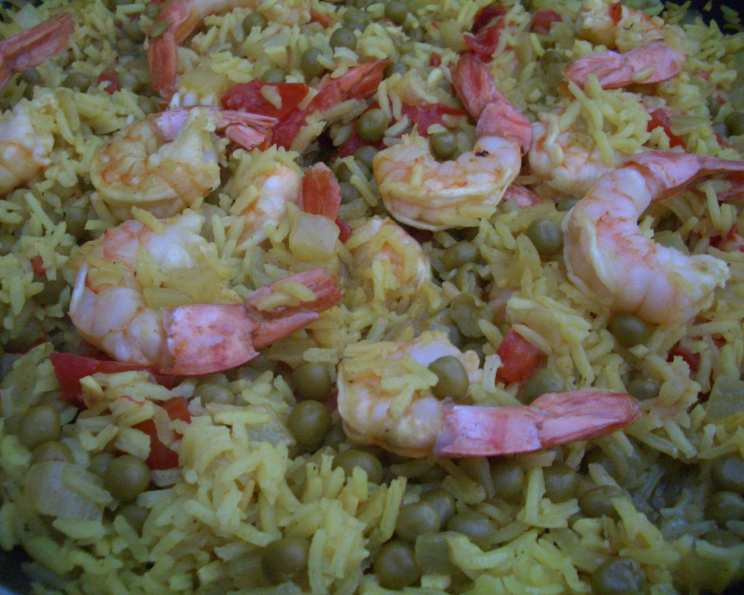
Shrimp Pilaf: A Taste of Coastal Comfort
I can still remember the first time I tasted Shrimp Pilaf. It was at a summer gathering at my aunt’s beach house. The sun was setting, casting a golden glow on the waves, and the air was filled with the scent of salt and grilling seafood. My aunt emerged from the kitchen, carrying a steaming dish that immediately drew everyone’s attention. The vibrant colors of the shrimp, rice, and vegetables were enticing, and the aroma was simply irresistible. One bite, and I was hooked—the savory shrimp, the fluffy rice, and the bright, fresh flavors created a symphony of textures and tastes that perfectly captured the essence of summer. This dish has been a family favorite ever since, bringing back cherished memories with every mouthful.
Recipe Overview
- Prep Time: 20 minutes
- Cook Time: 50 minutes
- Total Time: 1 hour 10 minutes
- Servings: 4
- Yield: 4 servings
- Dietary Type: Pescatarian, Gluten-Free
Ingredients
- 6 tablespoons butter
- 1 lb raw large shrimp, shelled and deveined
- 1 (8 ounce) bottle clam juice
- 1 medium onion, thinly sliced
- 2 cloves garlic, minced
- 1 cup long-grain raw white rice
- 1 teaspoon turmeric
- 1 cup thinly sliced celery
- 1⁄2 teaspoon salt
- 1⁄4 teaspoon pepper
- 2 medium tomatoes, peeled and chopped
- 1 (10 ounce) package frozen tiny peas, thawed
- Chopped parsley, for garnish
Equipment Needed
- Deep, heavy 4-5 quart pan with lid
- 1-quart measuring cup
- Fork
- Knife
- Cutting board
Instructions
- Begin by melting 2 tablespoons of the butter in a deep, heavy 4-5 quart pan over medium heat. Ensure the pan is large enough to accommodate all the ingredients later.
- Add the 1 lb of raw large shrimp to the melted butter. Cook, stirring frequently, until the shrimp is almost opaque throughout, about 3 to 4 minutes. Don’t overcook them at this stage, as they will continue cooking later in the pilaf.
- Carefully lift the partially cooked shrimp out of the pan and set aside. They will finish cooking later to prevent them from becoming rubbery.
- Pour the pan juices into a 1-quart measuring cup. Add the 8 ounces of clam juice and enough water to bring the total liquid volume up to 2 1/2 cups. Set this flavorful broth aside; it will be the base of your pilaf.
- Melt the remaining 1/4 cup of butter in the same pan over medium heat. The residual shrimp flavor in the pan will add depth to the dish.
- Add the 1 thinly sliced medium onion and 2 minced cloves of garlic to the melted butter. Cook, stirring often, until the onion is soft and translucent, about 5 minutes. Avoid browning the garlic, as it can become bitter.
- Add 1 cup of long-grain raw white rice and 1 teaspoon of turmeric to the pan with the onion and garlic. Cook, stirring continuously, for 2-3 minutes. This step helps to toast the rice and enhance its flavor.
- Add 1 cup of thinly sliced celery, 1⁄2 teaspoon of salt, 1⁄4 teaspoon of pepper, and the reserved 2 1/2 cups of clam juice mixture to the pan. Stir well to combine all the ingredients.
- Reduce the heat to low, cover the pan tightly with a lid, and simmer until the rice is almost tender to the bite, about 15 minutes. The liquid should be mostly absorbed. Avoid lifting the lid frequently, as this will release steam and prolong the cooking time.
- Gently mix the 2 peeled and chopped medium tomatoes and the 1 (10 ounce) package of thawed frozen tiny peas into the rice using a fork. Be careful not to mash the tomatoes too much.
- Scatter the partially cooked shrimp evenly over the top of the rice.
- Cover the pan again and continue to cook until the rice is fully tender to the bite, the shrimp is cooked through, and all the liquid is absorbed, about 10 more minutes. The shrimp should be pink and firm.
- Remove the pan from the heat and let it rest for a few minutes before serving. This allows the flavors to meld together.
- Sprinkle generously with chopped parsley before serving for a fresh, vibrant finish.
Expert Tips & Tricks
- Don’t overcook the shrimp: The key to tender shrimp is to avoid overcooking. Remember that the shrimp will continue to cook even after you remove the pan from the heat.
- Use good quality clam juice: The clam juice provides a key flavor component to the dish. Look for a brand that is not too salty or fishy.
- Toast the rice: Toasting the rice before adding the liquid adds a nutty flavor and helps to prevent the rice from becoming mushy.
- Adjust seasonings: Taste the pilaf before serving and adjust the salt and pepper as needed.
- For a richer flavor: Consider adding a pinch of red pepper flakes for a subtle kick.
Serving & Storage Suggestions
Serve the Shrimp Pilaf hot, garnished with fresh chopped parsley. It pairs wonderfully with a crisp green salad and some warm garlic bread. Leftovers can be stored in an airtight container in the refrigerator for up to 3 days. To reheat, gently warm the pilaf in a pan over low heat, adding a splash of water or broth if needed to prevent it from drying out. Microwaving is also an option, but it can sometimes make the rice a bit dry. Freezing is not recommended, as the texture of the rice and shrimp can change upon thawing.
Nutritional Information
| Nutrient | Amount per Serving | % Daily Value |
|---|---|---|
| Calories | 556.9 kcal | N/A |
| Calories from Fat | 181 g | 33% |
| Total Fat | 20.1 g | 30% |
| Saturated Fat | 11.5 g | 57% |
| Cholesterol | 218.6 mg | 72% |
| Sodium | 894.3 mg | 37% |
| Total Carbohydrate | 61.6 g | 20% |
| Dietary Fiber | 6.2 g | 24% |
| Sugars | 9 g | N/A |
| Protein | 31.6 g | 63% |
Variations & Substitutions
- Spicy Shrimp Pilaf: Add a pinch of red pepper flakes or a diced jalapeño pepper to the onion and garlic for a spicy kick.
- Lemon-Herb Shrimp Pilaf: Add the zest and juice of one lemon, along with a handful of chopped fresh herbs like dill, oregano, or thyme, at the end of cooking.
- Vegetarian Pilaf: Omit the shrimp and clam juice. Use vegetable broth instead of clam juice, and add more vegetables like bell peppers, zucchini, or mushrooms.
- Brown Rice Pilaf: Substitute brown rice for white rice, but be aware that the cooking time will need to be increased significantly.
FAQs (Frequently Asked Questions)
Q: Can I use pre-cooked shrimp?
A: While you can use pre-cooked shrimp, the flavor and texture will be better if you use raw shrimp and cook it yourself. If using pre-cooked shrimp, add it at the very end of the cooking process just to heat it through.
Q: Can I use different types of rice?
A: Long-grain white rice is recommended for this recipe because it cooks evenly and creates a fluffy texture. However, you can experiment with other types of rice, such as basmati or jasmine rice, but you may need to adjust the cooking time and liquid accordingly.
Q: Can I make this dish ahead of time?
A: You can prepare the pilaf up to the point where you add the shrimp and tomatoes. Then, store it in the refrigerator and add the shrimp and tomatoes just before cooking.
Q: How can I prevent the rice from sticking to the bottom of the pan?
A: Using a heavy-bottomed pan and keeping the heat low will help prevent the rice from sticking. Stirring occasionally during cooking is also helpful, but avoid stirring too frequently, as this can make the rice mushy.
Q: Can I use fresh tomatoes instead of canned?
A: Yes, you can use fresh tomatoes. Be sure to peel and chop them before adding them to the pilaf. You may need to adjust the cooking time slightly depending on the ripeness of the tomatoes.
Final Thoughts
Shrimp Pilaf is more than just a dish; it’s a celebration of flavors and textures that brings people together. It’s a versatile recipe that you can easily customize to your liking, and it’s perfect for both weeknight dinners and special occasions. So, gather your ingredients, put on some music, and get ready to create a meal that will transport you to the coast. I encourage you to try this recipe and make it your own. Don’t hesitate to share your feedback and experiences – I’d love to hear how it turns out! And why not pair it with a chilled glass of white wine for the ultimate dining experience? Bon appétit!