
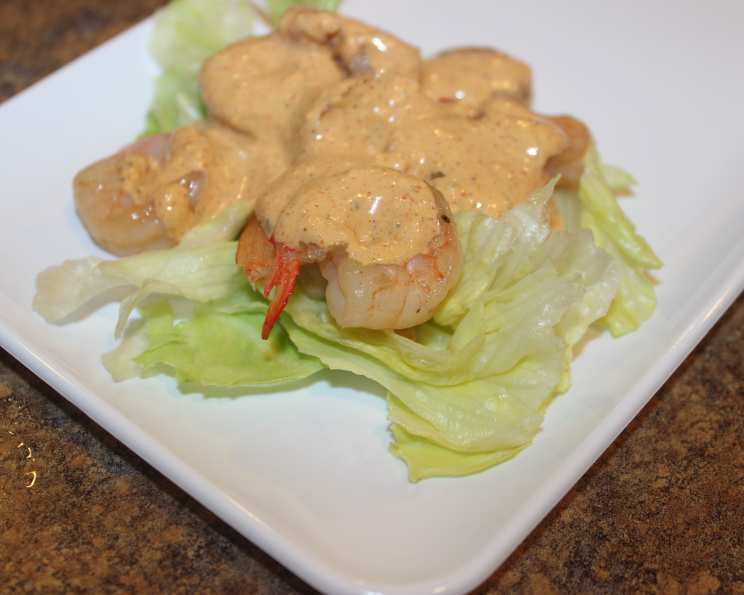
Shrimp Remoulade: A Taste of New Orleans
The first time I tasted Shrimp Remoulade, I was a wide-eyed culinary student on a research trip to New Orleans. The explosion of flavors – the creamy, tangy sauce clinging to the perfectly cooked shrimp – was a revelation. Sitting at a bustling cafe in the French Quarter, the sounds of jazz swirling around me, I knew I had discovered something special, a dish that perfectly captured the spirit and vibrancy of the city. It was more than just a meal; it was an experience, a memory etched in my palate.
Recipe Overview
- Prep Time: 30 minutes
- Cook Time: 10 minutes
- Total Time: 40 minutes (plus chilling time for remoulade)
- Servings: 4
- Dietary Type: Pescatarian
Ingredients
-
For the Shrimp:
- 2 lbs shrimp, peeled and deveined
- 2-3 tablespoons vegetable oil or canola oil
- 3-4 cups shredded lettuce
- 1/2 – 1 cup remoulade sauce, made in advance
- 1 tablespoon chopped parsley, for garnish
-
For the Remoulade:
- 1/2 cup chopped green onion
- 1/2 cup finely minced celery
- 1 garlic clove, finely minced
- 2 tablespoons ketchup
- 1/8 cup spicy creole mustard
- 1 tablespoon horseradish
- 1 cup mayonnaise
- 2 yolks from hard-boiled eggs, chopped
- 1/8 – 1/2 cup white vinegar or apple cider vinegar
- 1 tablespoon paprika
- 1 teaspoon Cajun seasoning (like Slap Ya Mama) or cayenne pepper
- A couple dashes Worcestershire sauce
- A couple dashes hot pepper sauce
- 1 pinch thyme
- 1 pinch tarragon
- A couple pinches of chopped parsley
- Kosher salt and freshly cracked black pepper, to taste
- 1/4 cup extra virgin olive oil
Equipment Needed
- Cast iron skillet or large frying pan
- Small and medium mixing bowls
- Food processor (optional)
- Whisk
- Serving plates or martini glasses
Instructions
-
Prepare the Shrimp: Pat the shrimp thoroughly dry with paper towels. This is crucial for achieving a good sear.
-
Cook the Shrimp: Heat 1 tablespoon of the vegetable oil or canola oil in a cast iron skillet over medium-high heat. Ensure the pan is hot before adding the shrimp.
-
Sear in Batches: Add the shrimp to the hot pan, cooking in batches to avoid overcrowding. Overcrowding will lower the pan temperature and result in steamed, rather than seared, shrimp. Add more oil as needed for each batch.
-
Lightly Brown: Cook the shrimp until lightly browned on both sides and cooked through. This should take approximately 2-3 minutes per side, depending on the size of the shrimp. Avoid overcooking, as this will make the shrimp rubbery.
-
Cool and Reserve: Remove the cooked shrimp from the pan and set aside to cool. Reserve a few of the nicest shrimp to chop for garnish.
-
Make the Remoulade Sauce: In a medium bowl or food processor, combine the green onion, celery, garlic, ketchup, creole mustard, horseradish, mayonnaise, chopped egg yolks, vinegar, paprika, Cajun seasoning (or cayenne pepper), Worcestershire sauce, hot pepper sauce, thyme, tarragon, parsley, salt, and pepper.
-
Incorporate the Olive Oil: Gradually drizzle in the olive oil, a little at a time, while whisking briskly or processing in a food processor, until the mixture is well blended and reaches a nice creamy consistency. This emulsifies the sauce, creating a smooth texture.
-
Adjust Seasoning: Taste the remoulade sauce and adjust the seasonings as needed. You may want to add more salt, pepper, vinegar, or hot sauce to your preference.
-
Chill the Remoulade: Refrigerate the remoulade sauce for several hours or, ideally, overnight to allow the flavors to meld and thoroughly chill. This step is crucial for achieving the best flavor.
-
Toss with Remoulade: Transfer the cooled shrimp to a small bowl and spoon the prepared remoulade sauce over them. Gently toss to coat evenly.
-
Assemble the Dish: Shred the lettuce and place it onto individual serving plates or into martini glasses.
-
Arrange the Shrimp: Remove the shrimp one at a time from the bowl, allowing any excess sauce to drip off, and arrange them artfully on top of the shredded lettuce.
-
Garnish: Top with a few of the reserved chopped shrimp and a sprinkle of fresh parsley.
-
Serve Immediately: Serve the Shrimp Remoulade immediately.
Expert Tips & Tricks
- Shrimp Size Matters: Use medium to large shrimp for the best texture and presentation.
- Don’t Overcook the Shrimp: Overcooked shrimp are rubbery and unpleasant. Cook just until they turn pink and opaque.
- Make the Remoulade Ahead: The remoulade sauce can be made up to 3 days in advance. The flavors actually improve as they meld together.
- Adjust the Spice: Control the heat by adjusting the amount of Cajun seasoning or cayenne pepper in the remoulade sauce.
- Hard-Boiled Egg Hack: For perfectly cooked hard-boiled eggs, place eggs in a saucepan, cover with cold water, bring to a boil, then remove from heat and let sit covered for 10-12 minutes. This prevents the greenish ring around the yolk.
- Extra Flavor Boost: Add a squeeze of fresh lemon juice to the remoulade sauce for added brightness.
- Chill Everything: Chilling both the shrimp and the remoulade is essential for a refreshing and flavorful dish.
Serving & Storage Suggestions
Shrimp Remoulade is best served chilled. It can be elegantly presented in martini glasses, over a bed of shredded lettuce on a plate, or as a po’boy filling on a crusty French roll. Leftover Shrimp Remoulade should be stored in an airtight container in the refrigerator. It will keep for up to 2 days, but the lettuce may become soggy. It is not recommended to freeze Shrimp Remoulade, as the texture of the mayonnaise-based sauce will deteriorate upon thawing.
Nutritional Information
| Nutrient | Amount per Serving | % Daily Value |
|---|---|---|
| Calories | 600 kcal | 30% |
| Total Fat | 45g | 69% |
| Saturated Fat | 7g | 35% |
| Cholesterol | 400mg | 133% |
| Sodium | 2000mg | 83% |
| Total Carbohydrate | 25g | 8% |
| Dietary Fiber | 2g | 8% |
| Sugars | 8g | – |
| Protein | 40g | 80% |
Note: Nutritional information is an estimate and may vary based on specific ingredients and portion sizes.
Variations & Substitutions
- Spicy Remoulade: For a spicier remoulade, add more hot sauce or cayenne pepper. You can also use a spicier mustard.
- Dairy-Free: Use a vegan mayonnaise substitute.
- Lower-Fat: Use a light mayonnaise or a combination of Greek yogurt and mayonnaise.
- Herb Variations: Experiment with different herbs, such as dill, chives, or cilantro, to customize the flavor.
- Seafood Variations: Substitute crabmeat or crawfish for the shrimp.
- Vegetarian: Use grilled or fried eggplant instead of shrimp for a vegetarian version.
FAQs (Frequently Asked Questions)
Q: Can I make the remoulade sauce without a food processor?
A: Absolutely! Whisking the ingredients by hand will give you a slightly chunkier texture, which is perfectly acceptable. Just ensure everything is finely minced before combining.
Q: How do I prevent my shrimp from being overcooked?
A: The key is to watch them closely. Cook them until they turn pink and opaque, but still have a slight bounce to them. Overcooked shrimp become rubbery.
Q: Can I use dried herbs instead of fresh in the remoulade?
A: While fresh herbs are preferred for their vibrant flavor, you can substitute dried herbs. Use about 1 teaspoon of each dried herb (thyme, tarragon, parsley) in place of the fresh.
Q: How far in advance can I prepare the Shrimp Remoulade?
A: The remoulade sauce can be made up to 3 days in advance. However, it’s best to assemble the dish just before serving to prevent the lettuce from becoming soggy.
Q: What’s the best way to devein shrimp?
A: Use a sharp paring knife to make a shallow cut along the back of the shrimp. Remove the dark vein with the tip of the knife or your fingers.
Final Thoughts
Shrimp Remoulade is more than just a dish; it’s a taste of the vibrant culinary heritage of New Orleans. Its complex blend of creamy, tangy, and spicy flavors is sure to tantalize your taste buds. Don’t be intimidated by the long list of ingredients – most are pantry staples. Take your time, follow the steps, and savor the process. I encourage you to try this recipe and experience the magic of Shrimp Remoulade for yourself. Share your creations and feedback, and consider pairing it with a crisp white wine or a classic Sazerac cocktail for the ultimate New Orleans experience. Bon appétit!