
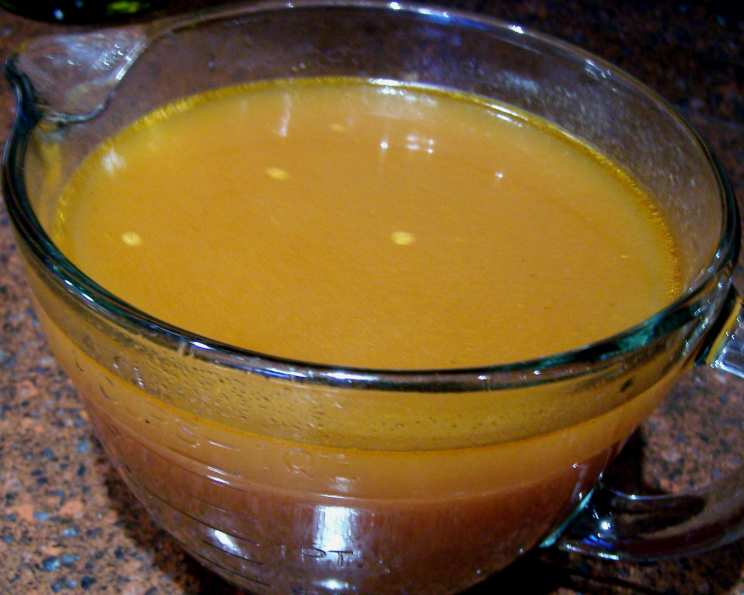
The Soul of Seafood: Mastering Homemade Shrimp Stock (2 Methods)
I can almost smell it now: the briny aroma of the coast, mingling with sweet onions and fragrant herbs. As a young cook, I remember my first encounter with truly exceptional seafood stock. It wasn’t in some fancy restaurant, but in a tiny shack overlooking the harbor, where a weathered fisherman’s wife stirred a bubbling pot. That stock, made with the day’s shrimp haul, was the secret ingredient in her legendary seafood stew. It wasn’t just liquid; it was liquid gold, the essence of the sea itself, and it transformed everything it touched. Today, I’m sharing my version – or rather, versions – so you can bring that same magic into your own kitchen.
Recipe Overview
- Prep Time: 15 minutes
- Cook Time: 45-60 minutes
- Total Time: 1 hour – 1 hour 15 minutes
- Yields: About 3 quarts
- Serves: About 24 (as a base for soup)
- Dietary Type: Dairy-Free, Gluten-Free
Ingredients
- 8 cups uncooked shrimp heads and shells (from about 1 pound large shrimp)
- 2 onions, peeled, halved and sliced
- 1 leek, sliced and rinsed well
- 2 celery stalks, chopped
- 1 carrot, chopped
- 2 lemons, halved
- 4 bay leaves
- 1/2 cup chopped fresh parsley
- 1 teaspoon dried leaf basil
- 1 teaspoon dried leaf thyme
- 1 teaspoon dried tarragon leaves
- 1 teaspoon dried oregano leaves
- 3/4 teaspoon whole black peppercorns
- 2 teaspoons coarse salt
- 4 quarts water
- 1 tablespoon olive oil (for the caramelized method)
Equipment Needed
- Large stockpot
- Colander or fine-mesh strainer
- Large bowl
Instructions
We’ll explore two methods for creating shrimp stock: a simple simmer and a caramelized approach that adds depth and complexity.
Method 1: The Simmered Stock
This method is quick and easy, perfect for when you need a stock in a hurry.
-
Prepare the Shrimp Shells: Thoroughly rinse the shrimp heads and shells under cold water. This removes any impurities and ensures a clean, flavorful stock.
-
Combine Ingredients: Place the rinsed shrimp shells in a large stockpot. Add the sliced onions, leek, chopped celery, chopped carrot, halved lemons, bay leaves, chopped fresh parsley, dried leaf basil, dried leaf thyme, dried tarragon leaves, dried oregano leaves, whole black peppercorns, salt, and water to the pot.
-
Bring to a Boil and Simmer: Bring the mixture to a boil over high heat. Once boiling, immediately reduce the heat to low.
-
Simmer Gently: Simmer the stock gently for 45-60 minutes, allowing the flavors to meld and deepen. Avoid a rolling boil, as this can make the stock cloudy.
-
Cool and Strain: Allow the stock to cool thoroughly before straining. This prevents warping of your strainer. Use a colander or fine-mesh strainer lined with cheesecloth (optional, for extra clarity) to strain the stock into a large bowl. Discard the solids.
-
Refrigerate or Freeze: Once strained, the stock can be refrigerated for up to 3 days or frozen for several months.
Method 2: The Caramelized Stock
This method involves caramelizing the shells and vegetables, resulting in a richer, more complex flavor profile.
-
Prepare the Shrimp Shells: Thoroughly rinse the shrimp heads and shells under cold water.
-
Sauté Shells and Vegetables: Heat 1 tablespoon olive oil in the stockpot over medium heat. Add the onions, leek, celery, carrot, and shrimp shells. Sauté, stirring frequently, until the vegetables are softened and the shells begin to caramelize, about 5 minutes. Watch carefully to prevent burning. The caramelization process enhances the natural sweetness and savory notes of the ingredients.
-
Add Remaining Ingredients: Add the halved lemons, bay leaves, chopped fresh parsley, dried leaf basil, dried leaf thyme, dried tarragon leaves, dried oregano leaves, whole black peppercorns, salt, and water to the pot.
-
Bring to a Boil and Simmer: Bring the mixture to a boil over high heat. Then reduce the heat to low and simmer gently for 45-60 minutes.
-
Cool and Strain: Allow the stock to cool thoroughly. Strain through a colander or fine-mesh strainer into a large bowl. Discard the solids.
-
Refrigerate or Freeze: Refrigerate the strained stock for up to 3 days, or freeze for longer storage.
Expert Tips & Tricks
- Don’t Overcook: Simmering the stock for too long can result in a bitter taste. Stick to the recommended time.
- Skim the Scum: During simmering, some scum may rise to the surface. Skim this off with a spoon to keep the stock clear.
- Freeze in Portions: Freeze the stock in ice cube trays for small amounts or in larger containers for soups and stews. This makes it easy to use just what you need.
- Intensify the Flavor: For a more intense flavor, you can roast the shrimp shells and vegetables in the oven at 400°F (200°C) for 15-20 minutes before simmering.
Serving & Storage Suggestions
Shrimp stock is incredibly versatile. Use it as a base for:
- Seafood soups and stews: It’s the perfect foundation for chowders, bisques, and bouillabaisse.
- Risotto: Use it instead of chicken or vegetable broth for a richer, seafood-infused risotto.
- Sauces: Add it to pan sauces for fish or shellfish.
- Gumbo: An absolute must for an authentic gumbo.
- Thai soups: Adds depth to Tom Yum or Tom Kha.
Store the stock in an airtight container in the refrigerator for up to 3 days. To freeze, pour into freezer-safe containers, leaving some headspace for expansion. Frozen stock will last for several months. To reheat, thaw in the refrigerator overnight or gently warm on the stovetop.
Nutritional Information
Note: Nutritional information is an estimate and can vary based on specific ingredients and portion sizes.
| Nutrient | Amount per Serving (1 cup) | % Daily Value* |
|---|---|---|
| Calories | 14 kcal | 1% |
| Total Fat | 0.1g | 0% |
| Saturated Fat | 0g | 0% |
| Cholesterol | 0mg | 0% |
| Sodium | 205mg | 9% |
| Total Carbohydrate | 3.4g | 1% |
| Dietary Fiber | 1.1g | 4% |
| Sugars | 0.8g | 2% |
| Protein | 0.5g | 1% |
*Based on a 2,000 calorie diet.
Variations & Substitutions
- Crab or Lobster Stock: Substitute crab or lobster shells (or a combination) for the shrimp shells.
- Vegetarian Option: While not shrimp stock, you can create a flavorful seafood-inspired broth using seaweed, mushrooms, and vegetable scraps.
- Spice it Up: Add a pinch of red pepper flakes or a chopped chili pepper for a spicy kick.
- Wine Infusion: Deglaze the pot with a splash of dry white wine after sautéing the vegetables for added depth of flavor.
FAQs (Frequently Asked Questions)
Q: Can I use frozen shrimp shells?
A: Absolutely! In fact, it’s a great way to save shells until you have enough to make a batch of stock. Just make sure they are properly stored in a freezer bag to prevent freezer burn.
Q: Do I have to use shrimp heads?
A: While the heads add a lot of flavor, you can use just the shells from the body. You’ll need to use more shells to compensate.
Q: Why is my stock cloudy?
A: Over-boiling can cause cloudiness. Simmer gently and avoid stirring too much. Also, be sure to thoroughly rinse the shells beforehand.
Q: How long does homemade shrimp stock last?
A: It will keep in the refrigerator for up to 3 days and in the freezer for several months.
Q: Can I reduce the stock for a more concentrated flavor?
A: Yes, you can simmer the strained stock for a longer period to reduce the liquid and intensify the flavor. Watch it carefully to prevent burning.
Final Thoughts
Homemade shrimp stock is the unsung hero of countless dishes. It’s surprisingly easy to make, and the flavor difference compared to store-bought is truly remarkable. Don’t be intimidated – gather your shrimp shells, embrace the process, and unlock the hidden depths of flavor in your next culinary creation. I encourage you to experiment with these techniques and to tailor the stock to your own preferences. Share your results, your modifications, and your experiences! Happy cooking!