
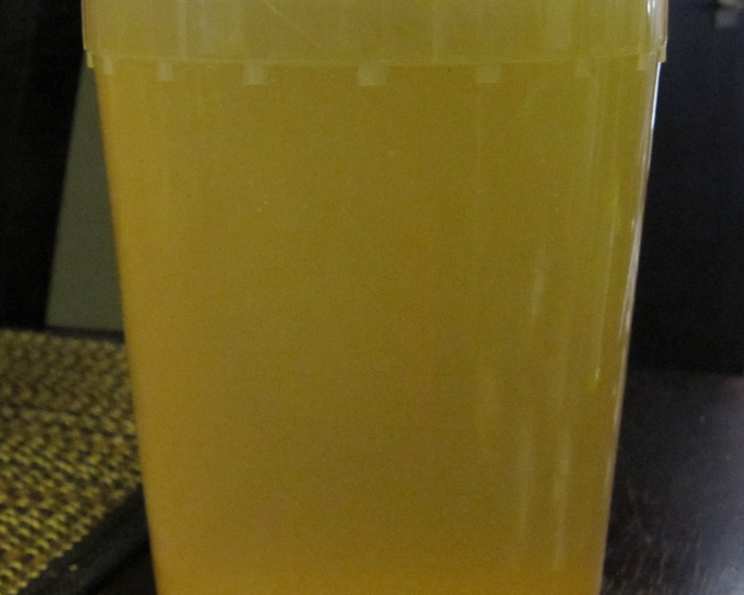
Elevate Your Seafood Dishes with Homemade Shrimp Stock
The scent of the ocean always brings me back to my childhood summers spent crabbing off the pier with my grandfather. He’d patiently show me how to bait the traps, and then, the real magic began: the seafood feast that followed. Nothing went to waste; even the shrimp shells were destined for a simmering pot on the stove, transformed into a fragrant elixir that formed the base of his legendary seafood stew. That memory, that deeply savory aroma, is what inspires me every time I make shrimp stock.
Recipe Overview
- Prep Time: 10 minutes
- Cook Time: 40 minutes
- Total Time: 50 minutes
- Yield: 3 1/2 quarts
- Dietary Type: Pescatarian, Gluten-Free, Dairy-Free
Ingredients
- Shrimp shells, from about 2 pounds of large shrimp
- 2 onions, halved
- 2 stalks celery, chopped
- 2 lemons, halved
- 8 bay leaves
- 1/2 cup chopped fresh parsley
- 1 teaspoon dried basil
- 1 teaspoon dried thyme
- 1 teaspoon dried tarragon
- 1 teaspoon dried oregano
- 3/4 teaspoon black peppercorns
- 2 teaspoons salt
- 4 quarts cold water
Equipment Needed
- Stock pot
- Colander or fine-mesh sieve
- Large bowl
Instructions
-
Begin by thoroughly rinsing the shrimp shells in cold water. This step is crucial to remove any impurities and prevent a cloudy stock. Place the rinsed shells in a large stock pot.
-
Add the remaining ingredients to the pot with the shrimp shells: the halved onions, chopped celery, halved lemons, bay leaves, chopped fresh parsley, dried basil, dried thyme, dried tarragon, dried oregano, black peppercorns, and salt.
-
Pour the cold water into the stock pot, ensuring that all ingredients are submerged.
-
Place the stock pot over high heat and bring the mixture to a boil. As soon as it reaches a rolling boil, immediately reduce the heat to low and simmer gently for 10 minutes.
-
After 10 minutes of gentle simmering, raise the heat to medium and continue to cook for another 30 minutes. This longer cooking time allows the flavors to fully develop and meld together. Watch the pot carefully to ensure the stock doesn’t boil vigorously during this stage.
-
Once the stock has simmered for a total of 40 minutes, it’s time to strain it. Place a colander or fine-mesh sieve over a large bowl. Carefully pour the stock through the strainer, pressing down on the solids with a spoon or ladle to extract as much liquid as possible. Discard the solids.
-
If you are not using the stock immediately, allow it to cool completely before transferring it to airtight containers. Refrigerate the stock promptly.
-
The shrimp stock will keep in the refrigerator for up to 30 days.
Expert Tips & Tricks
- Don’t overcook the stock. Simmering for too long can result in a bitter flavor. Stick to the recommended cooking times for the best results.
- Use cold water to start the stock. This helps to extract the flavors more effectively.
- For a richer flavor, you can roast the shrimp shells in the oven at 350°F (175°C) for about 15 minutes before adding them to the stock pot.
- If your stock becomes cloudy, try straining it through a cheesecloth-lined sieve for extra clarity.
- To deepen the color of your stock, you can add a tablespoon of tomato paste to the pot during the simmering stage.
- Adjust the seasoning to your liking. Taste the stock after simmering and add more salt, pepper, or herbs as needed.
- Freeze in small portions using ice cube trays for easy use in sauces or when a small amount of stock is needed.
Serving & Storage Suggestions
Serve your homemade shrimp stock as the base for soups, stews, risottos, sauces, and seafood dishes. It will enhance the flavor of any recipe that calls for fish or seafood stock.
Store cooled shrimp stock in an airtight container in the refrigerator for up to 30 days. For longer storage, freeze the stock in freezer-safe containers for up to 3 months. To reheat, simply thaw the stock in the refrigerator overnight or in a saucepan over low heat. Bring to a gentle simmer before using.
Nutritional Information
| Nutrient | Amount per Serving | % Daily Value |
|---|---|---|
| Calories | 47.3 kcal | N/A |
| Calories from Fat | 3 g | N/A |
| Total Fat | 0.4 g | 0% |
| Saturated Fat | 0.1 g | 0% |
| Cholesterol | 0 mg | 0% |
| Sodium | 1388.5 mg | 57% |
| Total Carbohydrate | 11.5 g | 3% |
| Dietary Fiber | 3.2 g | 12% |
| Sugars | 4 g | 16% |
| Protein | 1.8 g | 3% |
Note: Nutritional information is an estimate and may vary based on specific ingredients and portion sizes.
Variations & Substitutions
- Spicy Shrimp Stock: Add a pinch of red pepper flakes or a chopped chili pepper to the stock pot for a spicy kick.
- Vegetable-Forward Stock: Increase the amount of celery, onions, and carrots for a more pronounced vegetable flavor. You can also add other vegetables like leeks, fennel, or bell peppers.
- Herb-Infused Stock: Experiment with different herbs such as rosemary, sage, or cilantro to create a unique flavor profile.
- Lemon-Lime Stock: Substitute limes for lemons to add a different citrus note to your stock.
- Wine-Infused Stock: Add a splash of dry white wine to the stock pot during the simmering stage for a more complex flavor.
FAQs (Frequently Asked Questions)
Q: Can I use frozen shrimp shells to make stock?
A: Yes, you can absolutely use frozen shrimp shells. Just make sure to thaw them slightly before rinsing and adding them to the stock pot.
Q: Do I need to remove the shrimp heads before making stock?
A: You can leave the shrimp heads on or remove them, depending on your preference. The heads will add a more intense flavor to the stock.
Q: How can I reduce the sodium content of the stock?
A: You can reduce the amount of salt in the recipe or omit it altogether. You can always add salt to your dishes later when using the stock.
Q: Can I make this stock in a slow cooker?
A: Yes, you can make shrimp stock in a slow cooker. Combine all the ingredients in the slow cooker and cook on low for 6-8 hours. Strain the stock before using.
Q: What if my stock is too salty?
A: Adding a peeled potato to the stock while simmering can help absorb excess salt. Remove the potato before straining the stock.
Final Thoughts
Creating homemade shrimp stock is a simple yet rewarding process that elevates your seafood cooking to a whole new level. Don’t be intimidated; with just a few basic ingredients and a little time, you can transform what would otherwise be food scraps into a flavorful liquid gold. So, next time you’re enjoying a shrimp feast, remember to save those shells and give this recipe a try. Your taste buds (and your seafood dishes) will thank you! I encourage you to experiment with variations, adding your own personal touch to create a stock that perfectly suits your palate. And don’t hesitate to share your creations and feedback – I’m always eager to hear about your culinary adventures!