
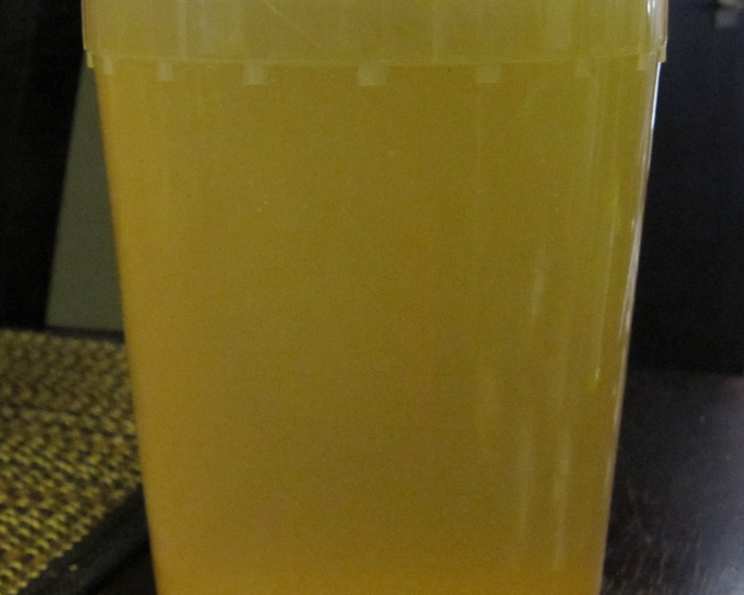
The Soul of Seafood: Crafting Exquisite Shrimp Stock
The scent of shrimp stock simmering on the stove always transports me back to my grandmother’s tiny coastal kitchen. As a child, I’d perch on a stool, mesmerized as she transformed humble shrimp shells into liquid gold. The aroma, a symphony of the sea mingling with herbs and vegetables, promised a culinary adventure. This isn’t just a recipe; it’s a connection to generations of cooks who understood the power of a well-made stock.
Recipe Overview
- Prep Time: 15 minutes
- Cook Time: 40 minutes
- Total Time: 55 minutes
- Yields: 3 1/2 quarts
- Dietary Type: Pescatarian, Gluten-Free, Dairy-Free
Ingredients
- Shrimp shells, from about 2 pounds of large shrimp
- 2 onions, halved
- 2 stalks celery, chopped
- 2 lemons, halved
- 8 bay leaves
- 1/2 cup chopped fresh parsley
- 1 teaspoon dried basil
- 1 teaspoon dried thyme
- 1 teaspoon dried tarragon
- 1 teaspoon dried oregano
- 3/4 teaspoon black peppercorns
- 2 teaspoons salt
- 4 quarts cold water
Equipment Needed
- Large Stock Pot
- Fine-Mesh Strainer or Cheesecloth-lined Colander
Instructions
- Begin by thoroughly rinsing the shrimp shells under cold water. This step is crucial to remove any impurities and ensure a clean, flavorful stock. Place the rinsed shells into a large stock pot.
- Add the remaining ingredients to the pot: the halved onions, chopped celery, halved lemons, bay leaves, chopped fresh parsley, dried basil, dried thyme, dried tarragon, dried oregano, black peppercorns, and salt.
- Pour 4 quarts of cold water over the ingredients in the pot. The cold water helps to slowly extract the flavors from the shells and vegetables.
- Bring the mixture to a boil over high heat. Keep a close eye on the pot to prevent it from boiling over.
- Once boiling, immediately reduce the heat to low and allow the stock to simmer gently for 10 minutes.
- After the initial 10-minute simmer, raise the heat to medium and continue to cook for an additional 30 minutes. This longer simmering period allows the flavors to fully develop and meld together. Throughout the simmering process, skim off any foam or impurities that rise to the surface with a large spoon. This will result in a clearer, cleaner-tasting stock.
- After the total cooking time of 40 minutes (10 minutes on low, 30 minutes on medium), carefully strain the stock. Line a colander with cheesecloth for a clearer stock, or use a fine-mesh strainer placed over a large bowl. Discard the solids.
- If you are not using the shrimp stock immediately, allow it to cool completely before refrigerating. This prevents condensation from forming and affecting the stock’s quality.
- Properly cooled shrimp stock can be stored in the refrigerator for up to 30 days.
Expert Tips & Tricks
- Roast the Shells: For a deeper, more intense flavor, roast the shrimp shells in a 350°F (175°C) oven for 10-15 minutes before adding them to the pot. This caramelizes the shells and adds a richer, almost nutty note to the stock.
- Don’t Overcook: Avoid simmering the stock for too long, as this can result in a bitter taste. 40 minutes is usually sufficient to extract the desired flavors.
- Herb Sachet: For easier removal of herbs and spices, tie them in a cheesecloth sachet before adding them to the pot.
- Freezing for Later: Shrimp stock freezes beautifully. Pour cooled stock into ice cube trays for small portions, or into freezer-safe containers for larger amounts. Label and date the containers before freezing.
- Fat Skimming: After refrigerating the stock, any solidified fat will rise to the top. This can easily be skimmed off for a leaner stock.
- Vegetable Variations: Add other vegetables like carrots, leeks, or fennel for additional flavor complexity.
Serving & Storage Suggestions
Shrimp stock is incredibly versatile. It serves as the foundation for countless seafood dishes, including soups, stews, bisques, and risottos. Use it to add depth to paella, bouillabaisse, or seafood pasta sauces.
Store cooled shrimp stock in airtight containers in the refrigerator for up to 30 days. For longer storage, freeze it for up to 3 months. Thaw frozen stock in the refrigerator overnight before using.
Nutritional Information
| Nutrient | Amount per Serving | % Daily Value |
|---|---|---|
| Calories | 47.3 kcal | N/A |
| Calories from Fat | 3 g | 7% |
| Total Fat | 0.4 g | 0% |
| Saturated Fat | 0.1 g | 0% |
| Cholesterol | 0 mg | 0% |
| Sodium | 1388.5 mg | 57% |
| Total Carbohydrate | 11.5 g | 3% |
| Dietary Fiber | 3.2 g | 12% |
| Sugars | 4 g | N/A |
| Protein | 1.8 g | 3% |
Note: Nutritional information is an estimate and may vary based on specific ingredients and preparation methods.
Variations & Substitutions
- Spicy Shrimp Stock: Add a pinch of red pepper flakes or a halved jalapeño to the stock for a subtle kick.
- Asian-Inspired Shrimp Stock: Incorporate ginger, lemongrass, and cilantro for a Southeast Asian flavor profile.
- Vegetarian “Shrimp” Stock: While this recipe inherently requires shrimp shells, a robust vegetable stock can be enhanced with seaweed and mushroom powder to mimic the umami flavor of seafood.
- Wine Addition: Add a splash of dry white wine to the pot during the simmering process for added complexity.
FAQs (Frequently Asked Questions)
Q: Can I use frozen shrimp shells to make shrimp stock?
A: Absolutely! Frozen shrimp shells work perfectly well. Just ensure they are thoroughly rinsed before using.
Q: Why is it important to rinse the shrimp shells?
A: Rinsing removes any impurities, sand, or debris that may be clinging to the shells, resulting in a cleaner, better-tasting stock.
Q: Can I add other vegetables to the stock?
A: Yes, you can add other vegetables like carrots, leeks, or fennel to customize the flavor of your stock.
Q: How long can I store shrimp stock in the freezer?
A: Shrimp stock can be stored in the freezer for up to 3 months without significant loss of quality.
Q: My shrimp stock tastes bitter. What did I do wrong?
A: Overcooking the stock or using too much of the shrimp “brains” (the yellowish substance in the head) can cause bitterness. Reduce the simmering time and be sure to thoroughly clean the shells.
Final Thoughts
Creating shrimp stock is a rewarding process that elevates countless dishes. It’s more than just a recipe; it’s a way to honor ingredients and connect with the culinary traditions of the past. I encourage you to try this recipe, experiment with variations, and share your creations with loved ones. Pair your delicious seafood creations with a crisp glass of Sauvignon Blanc or a light-bodied Pinot Grigio for a truly memorable meal. Bon appétit!