
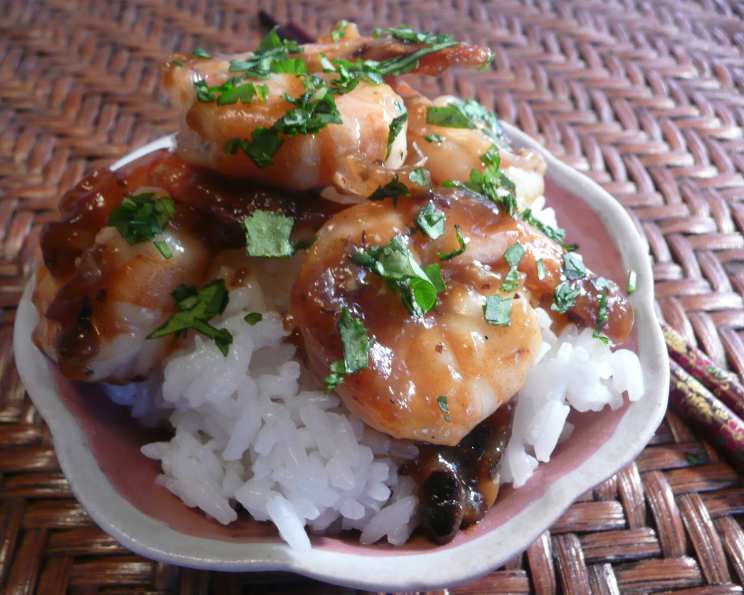
Shrimp with Black Bean Sauce: A Wok-Seared Symphony of Flavor
I still remember the first time I tasted Shrimp with Black Bean Sauce. It was in a tiny, bustling Cantonese restaurant, tucked away on a side street during a trip to San Francisco’s Chinatown. The aroma alone – a captivating blend of savory, salty, and subtly sweet notes – drew me in. The tender, succulent shrimp, glistening in a rich, dark sauce, delivered a flavor explosion with every bite. That simple dish sparked a lifelong love for Cantonese cuisine and inspired me to recreate its magic in my own kitchen.
Recipe Overview
- Prep Time: 10 minutes
- Cook Time: 5 minutes
- Total Time: 15 minutes
- Servings: 4
- Dietary Type: Pescatarian
Ingredients
- ½ lb large shrimp (shelled, deveined, and washed)
- 1 ½ teaspoons garlic oil (or sesame oil)
- 1 teaspoon garlic, minced
- 1 tablespoon fermented black beans, washed and drained
- 1 teaspoon Shaoxing wine (or sherry wine)
- 1 tablespoon fresh coriander, minced
For the Sauce:
- 2 teaspoons oyster sauce
- 1 teaspoon soy sauce
- ¾ teaspoon sugar
- Salt, to taste
- Pepper, to taste
- 1 ½ teaspoons cornstarch
- ¼ cup seafood stock
Equipment Needed
- Wok
- Small bowl
- Measuring spoons and cups
Instructions
- Begin by preparing the sauce. In a small bowl, thoroughly combine the oyster sauce, soy sauce, sugar, salt, pepper, cornstarch, and seafood stock. Stir until the cornstarch is fully dissolved, ensuring a smooth consistency. Set the sauce aside. This step is crucial as it allows the flavors to meld together before hitting the hot wok.
- Next, wash and drain the fermented black beans. While some may skip this step, rinsing removes excess saltiness and balances the flavor profile.
- Prepare the wok. Place it over high heat for approximately 30 seconds. You want the wok to be screaming hot before adding any ingredients.
- Add the garlic oil (or sesame oil) to the heated wok. Immediately coat the entire surface of the wok with the oil. This prevents sticking and distributes the flavor evenly.
- As soon as a wisp of white smoke appears – a sign that the oil is hot enough – add the minced garlic and washed, drained black beans.
- Stir-fry the garlic and black beans for about 30 seconds, allowing their aromas to bloom and infuse the oil. Be careful not to burn the garlic, as it can quickly turn bitter.
- Add the shrimp to the wok. Immediately mix it with the garlic and black beans, then spread the shrimp in a single, thin layer across the surface of the wok. This ensures even cooking.
- Let the shrimp cook undisturbed for about 30 seconds. This initial sear helps to develop a beautiful color and enhances the shrimp’s natural sweetness.
- Drizzle the Shaoxing wine (or sherry wine) around the edges of the wok. The wine will sizzle and release its aromatic compounds, adding depth and complexity to the dish. Mix well to incorporate the wine into the other ingredients.
- Continue cooking until the shrimp begins to curl and turn pink, indicating that it’s almost cooked through.
- Create a well in the center of the wok by pushing the shrimp to the sides.
- Re-stir the prepared sauce to ensure the cornstarch hasn’t settled. Then, pour the sauce into the well in the center of the wok.
- Mix all the ingredients together, ensuring that the shrimp is evenly coated in the sauce. Continue cooking for about 1 ½ minutes, or until the sauce begins to thicken and bubble. The cornstarch will act as a thickening agent, creating a luscious, glossy coating.
- Turn off the heat. Immediately remove the Shrimp with Black Bean Sauce to a pre-heated serving dish.
- Garnish with freshly minced coriander and serve immediately.
Expert Tips & Tricks
- Wok Hei: Achieving “wok hei” – the smoky, slightly charred flavor characteristic of authentic wok cooking – requires a powerful burner and proper technique. Ensure your wok is screaming hot before adding the oil and ingredients. Don’t overcrowd the wok, as this will lower the temperature and result in steamed, rather than stir-fried, ingredients.
- Shrimp Preparation: Pat the shrimp dry with paper towels before cooking. This helps them to sear properly and prevents them from steaming in their own juices.
- Black Bean Preparation: Soaking the black beans in warm water for about 10 minutes before washing can further reduce their saltiness.
- Sauce Consistency: If the sauce becomes too thick, add a splash of seafood stock or water to thin it out. Conversely, if it’s too thin, mix a little more cornstarch with water and add it to the wok.
Serving & Storage Suggestions
Serve Shrimp with Black Bean Sauce immediately over freshly steamed rice for a complete and satisfying meal. It also pairs well with stir-fried vegetables or noodles.
Leftovers can be stored in an airtight container in the refrigerator for up to 2 days. To reheat, gently warm the shrimp in a wok or skillet over medium heat, adding a splash of water or broth if necessary to prevent sticking. While freezing is possible, it can affect the texture of the shrimp, making it slightly rubbery. Therefore, it’s best enjoyed fresh.
Nutritional Information
| Nutrient | Amount per Serving | % Daily Value |
|---|---|---|
| Calories | 78 kcal | 4% |
| Calories from Fat | 9 kcal | – |
| Total Fat | 1 g | 2% |
| Saturated Fat | 0.2 g | 1% |
| Cholesterol | 86 mg | 29% |
| Sodium | 623 mg | 26% |
| Total Carbohydrate | 4 g | 2% |
| Dietary Fiber | 0.1 g | 0% |
| Sugars | 1 g | – |
| Protein | 12 g | 24% |
Variations & Substitutions
- Spicy Kick: Add a pinch of red pepper flakes or a drizzle of chili oil to the sauce for a spicy twist.
- Vegetarian Option: Substitute the shrimp with firm tofu or mushrooms for a vegetarian-friendly version. Use vegetable stock instead of seafood stock and omit the oyster sauce, replacing it with a vegetarian oyster sauce alternative or a mixture of hoisin sauce and a touch of molasses.
- Vegetable Boost: Add sliced bell peppers, onions, or snow peas to the wok along with the shrimp for added color and nutrients.
- Gluten-Free: Ensure that the soy sauce is gluten-free or use tamari.
FAQs (Frequently Asked Questions)
Q: Can I use dried black beans instead of fermented black beans?
A: No, fermented black beans (douchi) are essential for this recipe. They have a unique salty, umami flavor that dried black beans lack.
Q: Can I make this dish ahead of time?
A: While the shrimp is best cooked fresh, you can prepare the sauce and chop the vegetables ahead of time. Store them separately in the refrigerator and combine them just before cooking.
Q: What is Shaoxing wine and where can I find it?
A: Shaoxing wine is a Chinese rice wine commonly used in Cantonese cooking. You can find it in most Asian grocery stores. If you can’t find it, dry sherry is a suitable substitute.
Q: How do I prevent the shrimp from overcooking?
A: Overcooked shrimp can be tough and rubbery. Cook the shrimp just until it turns pink and opaque, and immediately remove it from the heat.
Q: Is oyster sauce essential to the recipe?
A: Yes, oyster sauce adds a distinct umami flavor that’s crucial to the dish’s authentic taste. However, there are vegetarian substitutes available for those who don’t consume animal products.
Final Thoughts
Shrimp with Black Bean Sauce is more than just a recipe; it’s a culinary journey that transports you to the heart of Cantonese cuisine. Its balance of savory, salty, and subtly sweet flavors, combined with the tender, succulent shrimp, creates an unforgettable dining experience. Don’t be intimidated by the wok – with a little practice, you’ll be whipping up this restaurant-quality dish in your own kitchen in no time. I encourage you to give it a try, experiment with the variations, and share your feedback. Perhaps pair it with a crisp glass of Sauvignon Blanc to elevate the flavors even further. Happy cooking!