
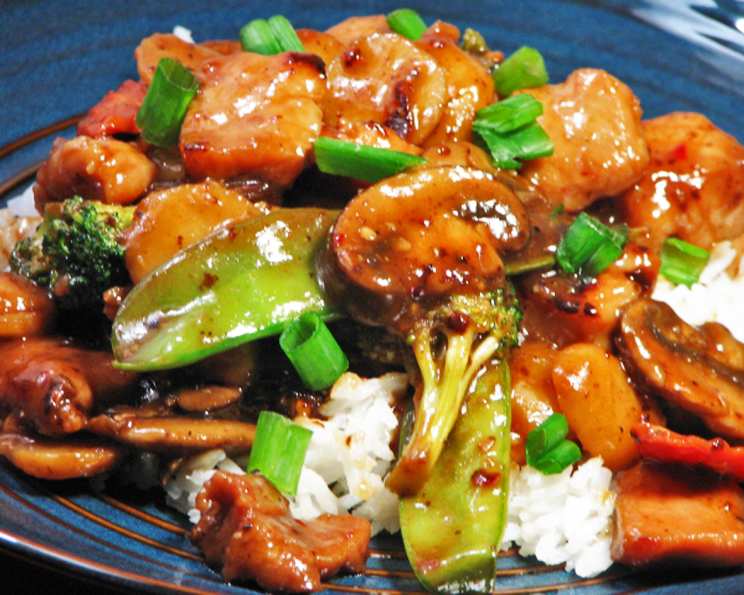
Sichuan Stir-Fried Pork in Garlic Sauce: A Culinary Adventure
I remember the first time I tasted true Sichuan cuisine. It wasn’t in a fancy restaurant, but a tiny, bustling hole-in-the-wall in Chengdu. The air crackled with the aroma of chili oil and the rhythmic clang of woks. Among the many dishes that arrived, one stood out: a seemingly simple stir-fry of pork, glistening with a dark, savory sauce. The first bite was an explosion of flavors – the tender pork, the fragrant garlic, and that unmistakable Sichuan ma la, the numbing spice that danced on my tongue. This Sichuan Stir-Fried Pork in Garlic Sauce aims to capture that vibrant, unforgettable experience.
Recipe Overview
- Prep Time: 20 minutes
- Cook Time: 23 minutes
- Total Time: 43 minutes
- Servings: 4-6
- Dietary Type: Dairy-Free
Ingredients
Sauce:
- ½ cup chicken broth
- 2 tablespoons sugar
- 2 tablespoons soy sauce
- 4 teaspoons Chinese black vinegar
- 1 tablespoon sesame oil
- 1 tablespoon Chinese rice wine or 1 tablespoon dry sherry
- 2 teaspoons ketchup
- 2 teaspoons fish sauce
- 2 teaspoons cornstarch
Pork:
- 12 ounces country-style boneless pork ribs, trimmed
- 1 teaspoon baking soda
- ½ cup cold water
- 2 teaspoons Chinese rice wine or 2 teaspoons dry sherry
- 2 teaspoons cornstarch
Stir-Fry:
- 4 garlic cloves, minced
- 2 scallions, white part minced, green parts sliced thin
- 2 tablespoons Asian garlic and red chile paste
- 4 tablespoons vegetable oil
- 6 ounces shiitake mushrooms or 6 ounces portobello mushrooms, stemmed and sliced thin
- 2 (8 ounce) cans water chestnuts, drained
Equipment Needed
- Large non-stick skillet or wok
- Mixing bowls
Instructions
-
Prepare the sauce by whisking together the chicken broth, sugar, soy sauce, Chinese black vinegar, sesame oil, Chinese rice wine (or dry sherry), ketchup, fish sauce, and cornstarch in a bowl. Set aside. It is crucial to ensure the cornstarch is fully dissolved to prevent lumps in the final sauce.
-
Cut the pork into 2-inch lengths, then cut each length into ¼-inch matchsticks. This step is important for ensuring the pork cooks quickly and evenly in the stir-fry.
-
In a bowl, combine the pork with the baking soda and cold water. Let sit at room temperature for 15 minutes. The baking soda tenderizes the pork, resulting in a more succulent final dish.
-
Rinse the pork in cold water to remove the baking soda. Drain well and pat dry with paper towels. Excess moisture will inhibit proper searing.
-
In a separate bowl, whisk together the Chinese rice wine (or dry sherry) and cornstarch. Add the pork and toss to coat. This creates a protective layer around the pork, helping it to retain moisture during cooking.
-
For the stir-fry base, combine the minced garlic, minced scallion whites, and Asian garlic and red chile paste in a bowl. This mixture provides the foundational flavors of the dish.
-
Heat 1 tablespoon of vegetable oil in a large non-stick skillet or wok over high heat until just smoking. The high heat is essential for achieving proper wok hei, the slightly charred flavor characteristic of stir-fries.
-
Add the mushrooms and cook, stirring frequently, until tender, about 4 minutes. Don’t overcrowd the pan; cook in batches if necessary to ensure proper browning.
-
Add the water chestnuts and cook for an additional 2 to 4 minutes until tender. The water chestnuts provide a pleasant textural contrast.
-
Transfer the vegetables to a separate bowl and set aside.
-
Add the remaining 3 tablespoons of vegetable oil to the pan and place over medium-low heat.
-
Add the garlic-scallion mixture and cook until fragrant, about 30 seconds. Be careful not to burn the garlic, as this will impart a bitter flavor.
-
Transfer 1 tablespoon of the garlic-scallion oil to a small bowl and set aside. This reserved oil will be drizzled over the finished dish, adding a final burst of flavor.
-
Add the pork to the skillet and cook until no longer pink, about 3 to 5 minutes. Ensure the pork is cooked through, but avoid overcooking, which can make it tough.
-
Whisk the sauce to recombine and add it to the skillet.
-
Increase the heat to high and cook, stirring constantly, until the sauce has thickened and the pork is cooked through, about 1 to 2 minutes. The sauce should be glossy and coat the pork evenly.
-
Return the vegetables to the skillet and combine.
-
Transfer the stir-fry to a platter, sprinkle with the sliced scallion greens and reserved garlic-scallion oil, and serve immediately.
Expert Tips & Tricks
- Velveting the Pork: The baking soda treatment is crucial for tenderizing the pork. Don’t skip this step!
- High Heat is Key: Stir-fries benefit from high heat. Ensure your pan is hot before adding ingredients to achieve proper browning and flavor development.
- Don’t Overcrowd: Overcrowding the pan lowers the temperature and steams the ingredients instead of searing them. Cook in batches if needed.
- Prep Everything in Advance: Stir-fries cook quickly, so having all your ingredients prepped and ready to go is essential. This ensures a smooth and efficient cooking process.
- Adjust the Spice Level: The amount of Asian garlic and red chile paste can be adjusted to suit your preferred level of spiciness.
Serving & Storage Suggestions
Serve this Sichuan Stir-Fried Pork in Garlic Sauce immediately over steamed white rice or brown rice. Garnish with extra scallions and a drizzle of chili oil for added visual appeal and flavor.
Leftovers can be stored in an airtight container in the refrigerator for up to 3 days. To reheat, stir-fry over medium heat until heated through, or microwave in short intervals, stirring occasionally, to prevent uneven heating. The sauce may thicken upon cooling, so you may need to add a splash of water or chicken broth to restore its original consistency. Freezing is not recommended as the texture of the pork and vegetables may deteriorate.
Nutritional Information
| Nutrient | Amount per Serving | % Daily Value |
|---|---|---|
| Calories | 457 kcal | N/A |
| Total Fat | 22 g | 34% |
| Saturated Fat | 4 g | 20% |
| Cholesterol | 63 mg | 20% |
| Sodium | 1253 mg | 52% |
| Total Carbohydrate | 42 g | 13% |
| Dietary Fiber | 5 g | 19% |
| Sugars | 14 g | N/A |
| Protein | 22 g | 44% |
Note: Nutritional information is an estimate and may vary based on specific ingredients and portion sizes.
Variations & Substitutions
- Vegetarian: Substitute the pork with firm tofu, cut into cubes and pan-fried until golden brown.
- Gluten-Free: Ensure the soy sauce and fish sauce are gluten-free. Tamari is a good gluten-free soy sauce alternative.
- Spicier: Add a pinch of dried Sichuan peppercorns or a dash of chili oil to the stir-fry for an extra kick.
- Vegetables: Feel free to substitute or add other vegetables such as bell peppers, snap peas, or broccoli.
- Chinese Black Vinegar: If Chinese black vinegar is unavailable, substitute 2 teaspoons of balsamic vinegar and 2 teaspoons of rice vinegar.
- Asian Broad-Bean Chili Paste: If Asian broad-bean chili paste is unavailable, substitute 2 teaspoons of Asian chili-garlic paste or Sriracha sauce.
FAQs (Frequently Asked Questions)
Q: Can I use a different cut of pork?
A: While country-style ribs work best, you can use pork tenderloin or shoulder. Adjust cooking time accordingly.
Q: What if I don’t have Chinese rice wine?
A: Dry sherry is a suitable substitute. It adds a similar depth of flavor.
Q: Can I make this ahead of time?
A: The sauce and vegetables can be prepped ahead. Cook the pork just before serving to maintain its texture.
Q: How do I know when the pork is cooked through?
A: The pork should be opaque and firm to the touch. Use a meat thermometer to ensure an internal temperature of 145°F (63°C).
Q: Can I freeze this dish?
A: Freezing is not recommended, as the texture of the pork and vegetables may deteriorate.
Final Thoughts
This Sichuan Stir-Fried Pork in Garlic Sauce is more than just a recipe; it’s an invitation to explore the vibrant and complex flavors of Sichuan cuisine. Don’t be intimidated by the ingredient list – the results are well worth the effort. So, gather your ingredients, fire up your wok, and embark on a culinary adventure that will tantalize your taste buds and transport you to the bustling streets of Chengdu. I encourage you to try this recipe and share your feedback. Consider pairing it with a crisp, dry white wine or a refreshing Chinese beer for a complete and unforgettable dining experience.