
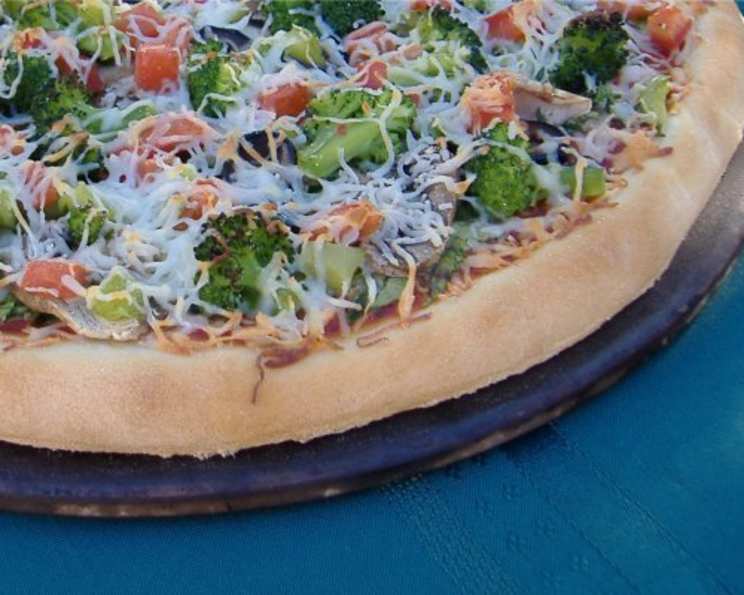
Sicilian-Style Pizza Dough (Bread Machine)
The scent of baking bread has always been a beacon, drawing me back to my grandmother’s kitchen in Sicily. As a child, I remember the rhythmic thump of her hands kneading dough on a well-worn wooden board, a cloud of flour swirling around her like a sweet-smelling storm. The aroma was intoxicating, a promise of the warm, comforting pizza that would soon emerge from her ancient, wood-fired oven, its crust perfectly crisp and slightly charred. While I can’t quite replicate Nonna’s wood-fired magic, this bread machine recipe brings me a nostalgic slice of home.
Recipe Overview
- Prep Time: 15 minutes
- Cook Time: 20-25 minutes
- Total Time: 2 hours 35-40 minutes (includes dough cycle and rise time)
- Yields: 2 12-inch pizzas
- Dietary Type: Vegetarian
Ingredients
- 1 1⁄4 cups warm water (90 degrees)
- 1 tablespoon butter or margarine, softened and cut into pieces
- 3 cups bread flour
- 1 tablespoon granulated sugar
- 1 teaspoon salt
- 2 tablespoons nonfat dry milk powder
- 1 (1/4 ounce) package active dry yeast
Equipment Needed
- Bread machine
- Lightly floured cutting board
- Saran wrap
- Cooking spray
- Baking sheets, pizza pans, or pizza stone
Instructions
-
Place all ingredients into the bread machine in the order listed, or as suggested by the manufacturer of your bread machine. This order is crucial for proper gluten development and yeast activation. Generally, liquids go in first, followed by dry ingredients, with the yeast added last, nestled on top of the flour, away from the water and salt until the mixing process begins.
-
Set the bread machine to the “dough” setting. This setting will typically handle the kneading, proofing, and the first rise of the dough. Dough cycle times will vary depending on your machine, but expect it to take around 1.5 to 2 hours.
-
After the dough cycle is complete, carefully remove the dough from the bread machine. Be prepared – it will likely be very sticky at this stage.
-
Place the dough on a lightly floured cutting board. This will help prevent the dough from sticking to the surface and make it easier to handle.
-
Cover the dough with a piece of saran wrap that has been sprayed with cooking spray. This prevents the dough from drying out and forming a skin during the second rise.
-
Allow the dough to rise for 30 minutes. This allows the gluten to relax further, resulting in a lighter, airier crust.
-
Punch down the dough gently to release any trapped air.
-
Divide the dough in half.
-
Form the crust on baking sheets, pizza pans, or a pizza stone. If using a pizza stone, make sure to preheat it in the oven for at least 30 minutes before baking. For thinner crust, stretch and press the dough to cover the pan. For thicker crust, gently pat the dough into shape, being careful not to overwork it.
-
Top with your favorite sauce, cheese, and toppings. Don’t overload the crust with toppings, as this can make it soggy.
-
For thick crust pizza, allow the dough to rise for 10 minutes before adding sauce and toppings. This will create a taller, fluffier crust.
-
Bake at 425 degrees Fahrenheit for approximately 20-25 minutes, or until the crust is golden brown and the cheese is melted and bubbly. Keep an eye on the pizza towards the end of the baking time, as oven temperatures can vary.
Expert Tips & Tricks
- Water Temperature is Key: Make sure the water is lukewarm (around 90 degrees Fahrenheit) to activate the yeast properly. Too hot and it will kill the yeast; too cold and it won’t activate.
- Dough Consistency: If the dough is too sticky after the bread machine cycle, add a tablespoon of flour at a time until it becomes more manageable. Conversely, if it seems too dry, add a tablespoon of water at a time.
- Preheating the Stone: Preheating your pizza stone is crucial for achieving a crispy crust. Place the stone in the oven and preheat it to 425 degrees Fahrenheit for at least 30 minutes before baking.
- Docking the Dough: For a thin, crisp crust, use a fork to dock (poke holes) the dough before adding toppings. This prevents large air bubbles from forming.
- Cheese Placement: To prevent the crust from getting soggy, spread a thin layer of sauce, then a layer of cheese before adding your toppings. The cheese acts as a barrier.
- Homemade Pizza Sauce: For an authentic Sicilian taste, try making your own pizza sauce with crushed tomatoes, garlic, oregano, basil, and a pinch of red pepper flakes. Simmer it for at least 30 minutes to develop the flavors.
Serving & Storage Suggestions
Serve your Sicilian-style pizza hot and fresh, straight from the oven. A sprinkle of fresh basil or a drizzle of olive oil adds a final touch of elegance. Leftover pizza can be stored in the refrigerator for up to 3 days. Reheat it in the oven at 350 degrees Fahrenheit for 10-15 minutes, or until heated through. For longer storage, freeze individual slices wrapped tightly in plastic wrap and then placed in a freezer bag. Frozen pizza can be reheated directly from frozen, but it may take longer to heat through.
Nutritional Information
| Nutrient | Amount per Serving | % Daily Value |
|---|---|---|
| Calories | 398 kcal | N/A |
| Total Fat | 7.9 g | 12% |
| Saturated Fat | 4 g | 20% |
| Cholesterol | 16.8 mg | 5% |
| Sodium | 1263.6 mg | 52% |
| Total Carbohydrate | 154.7 g | 51% |
| Dietary Fiber | 6 g | 24% |
| Sugars | 10.7 g | N/A |
| Protein | 23.6 g | 47% |
Note: Nutritional information is an estimate and may vary depending on specific ingredients and toppings used.
Variations & Substitutions
- Gluten-Free: Use a gluten-free bread flour blend instead of regular bread flour. You may need to adjust the amount of liquid depending on the blend you use.
- Vegan: Use a plant-based butter or margarine and top with vegan cheese alternatives.
- Whole Wheat: Substitute up to half of the bread flour with whole wheat flour for a nuttier flavor and added fiber.
- Herbed Crust: Add 1-2 tablespoons of dried Italian herbs (such as oregano, basil, and rosemary) to the dough for an aromatic crust.
- Spicy Crust: Add a pinch of red pepper flakes to the dough for a subtle kick.
FAQs (Frequently Asked Questions)
Q: My dough is too sticky. What should I do?
A: Add a tablespoon of flour at a time until the dough becomes more manageable. Be careful not to add too much, as this can make the crust tough.
Q: Can I use all-purpose flour instead of bread flour?
A: Bread flour is recommended for its higher protein content, which results in a chewier crust. However, you can use all-purpose flour in a pinch. The crust will be slightly softer.
Q: How long can I store the dough in the refrigerator?
A: You can store the dough in the refrigerator for up to 24 hours. Wrap it tightly in plastic wrap to prevent it from drying out. Let it come to room temperature before shaping and baking.
Q: Can I freeze the dough?
A: Yes, you can freeze the dough. Wrap it tightly in plastic wrap and then place it in a freezer bag. It can be frozen for up to 2 months. Thaw it in the refrigerator overnight before using.
Q: My pizza crust is not crispy enough. What am I doing wrong?
A: Make sure your oven is preheated to the correct temperature and that you are using a pizza stone or baking sheet. You can also try docking the dough with a fork to prevent air bubbles from forming.
Final Thoughts
Bringing the flavors of Sicily into your own kitchen is simpler than you might think, especially with the help of a bread machine. Don’t be afraid to experiment with different toppings and variations to create your own signature pizza. Whether you’re a seasoned chef or a novice cook, this recipe is a wonderful way to share a taste of tradition with friends and family. So, preheat that oven, gather your ingredients, and prepare to be transported to the sun-kissed shores of Sicily, one delicious slice at a time! Buon appetito!