
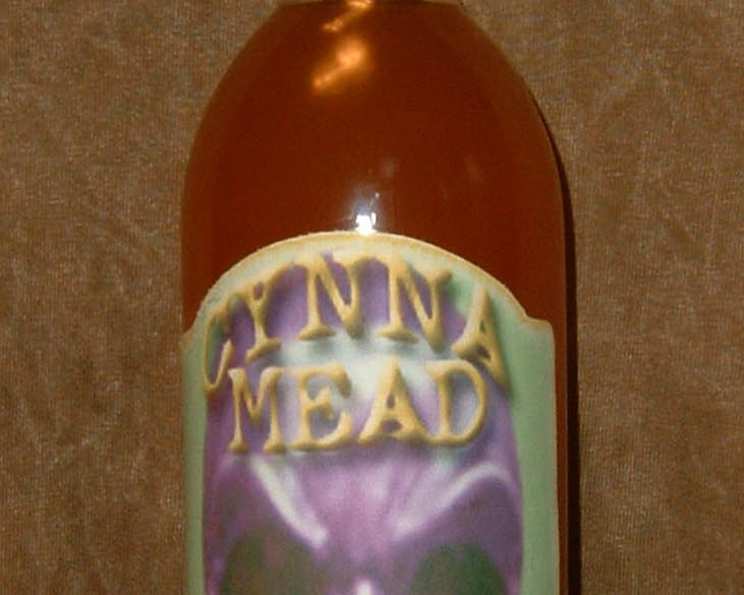
Sima: A Taste of Finnish Spring
The first sip of Sima always transports me back to my childhood summers spent with my Finnish grandmother, or isoäiti. The air was always thick with the scent of blooming lilacs and freshly baked pulla, and the slightly fizzy, sweet-tart taste of homemade Sima was the perfect accompaniment to the season. It wasn’t just a drink; it was a ritual, a celebration of warmer days and longer evenings, a tangible link to my heritage. Making Sima always felt a little magical, a transformation of simple ingredients into something bubbly and joyful.
Recipe Overview
- Prep Time: 15 minutes
- Cook Time: 10 minutes
- Fermentation Time: 2-3 days
- Total Time: 2 days 25 minutes
- Servings: 12
- Yield: Approximately 1 gallon
- Dietary Type: Vegetarian, Vegan (depending on sweetener used)
Ingredients
- 1 gallon mineral water
- 1 quart mineral water
- 12 ounces sugar
- 12 ounces brown sugar
- 2 lemons
- ½ cup molasses or ½ cup honey (for a vegan version, use molasses or maple syrup)
- ¼ teaspoon yeast
- Raisins, for bottling
Equipment Needed
- Large pot
- Large vessel (at least 1.5-gallon capacity)
- Peeler
- Knife
- Bottles with secure closures
- Strainer
Instructions
- Begin by thoroughly washing the lemons. Carefully peel them thinly, ensuring you remove only the zest and avoiding the bitter white pith. A vegetable peeler works well for this step. Discard the pith.
- Slice the lemons into thin rounds.
- In a sufficiently large vessel, such as a food-grade bucket or a very large bowl, combine the lemon slices, lemon zest, sugar, and brown sugar.
- In a large pot, bring half of the mineral water (1 gallon) to a boil.
- Pour the boiling water over the lemon mixture in the vessel.
- Add the molasses or honey (or maple syrup for a vegan version) to the hot water and lemon mixture. Stir well until the sugars and molasses/honey are completely dissolved. Allow the mixture to stand covered for a while – about an hour – to cool down slightly.
- Add the remaining cold mineral water (1 quart) to bring the mixture to a lukewarm temperature. This is important because if the liquid is too hot, it will kill the yeast.
- Once the liquid is lukewarm (test it with your finger – it should feel neither hot nor cold), add the yeast. Stir gently to distribute the yeast evenly.
- Cover the vessel with a clean cloth or lid and keep the mead at room temperature until it starts to ferment. This usually takes about a day, but it can vary depending on the temperature of your room. You’ll know it’s fermenting when you see small bubbles forming on the surface.
- Once fermentation has begun, it’s time to bottle the Sima. Place a couple of raisins and 1 teaspoon of sugar into each clean bottle. The raisins act as an indicator of readiness and add a subtle sweetness and flavor.
- Strain the mead through a fine-mesh strainer or cheesecloth into the bottles, leaving some headspace at the top (about an inch).
- Loosely cork or cap the bottles. It’s important not to seal them tightly, as the fermentation process will continue, and pressure could build up, causing the bottles to explode.
- Store the bottles in a cool place, such as a refrigerator or cellar. The mead is ready when the raisins rise to the surface. This usually takes 2-3 days, but it can take longer depending on the temperature.
Expert Tips & Tricks
- Use organic lemons if possible. This ensures that the zest is free from pesticides.
- Adjust the sweetness to your liking. If you prefer a less sweet Sima, reduce the amount of sugar slightly.
- Don’t over-ferment the Sima. If the raisins rise too quickly (within a day), move the bottles to the refrigerator to slow down the fermentation process. Over-fermented Sima can be very fizzy and sour.
- Experiment with different flavorings. You can add other spices, such as ginger, cardamom, or cloves, to the mead for a more complex flavor.
- For a sparkling Sima, use strong glass bottles designed for carbonated beverages. Be very careful and monitor the fermentation closely to prevent explosions. I would not recommend this unless you have experience with bottle fermentation.
- If you are concerned about the alcohol content, then only do a first fermentation. Once the raisins rise in the bottles, then refrigerate immediately to halt fermentation.
Serving & Storage Suggestions
Sima is best served chilled. Pour it into glasses, being careful not to disturb the sediment at the bottom of the bottle. Garnish with a few extra raisins or a slice of lemon, if desired.
Store unopened bottles of Sima in the refrigerator for up to a week. Once opened, Sima is best consumed within a day or two. Because Sima is a fermented beverage, it will become more acidic as it sits.
Nutritional Information
(Please note that the nutritional information is an estimate and can vary depending on the specific ingredients used.)
| Nutrient | Amount per Serving | % Daily Value |
|---|---|---|
| Calories | 210 kcal | 10% |
| Total Fat | 0g | 0% |
| Saturated Fat | 0g | 0% |
| Cholesterol | 0mg | 0% |
| Sodium | 5mg | 0% |
| Total Carbohydrate | 52g | 19% |
| Dietary Fiber | 0g | 0% |
| Sugars | 50g | N/A |
| Protein | 0g | 0% |
Variations & Substitutions
- Spiced Sima: Add a few whole cloves, a cinnamon stick, or a small piece of fresh ginger to the initial mixture for a warmer, more complex flavor.
- Herbal Sima: Infuse the hot water with fresh herbs like mint, lemon balm, or rosemary for a refreshing twist.
- Fruit Sima: Add a handful of fresh or frozen berries (strawberries, raspberries, blueberries) to the bottles along with the raisins for a fruity flavor.
- Honey Sima: Use only honey as the sweetener for a more traditional mead flavor.
FAQs (Frequently Asked Questions)
Q: How do I know when the Sima is ready?
A: The Sima is ready when the raisins rise to the surface of the bottle. This indicates that enough carbon dioxide has been produced through fermentation.
Q: Can I use regular tap water instead of mineral water?
A: While you can use tap water, mineral water is recommended for the best flavor. Tap water can sometimes contain chlorine or other chemicals that can affect the fermentation process. If you use tap water, let it sit out for a few hours to allow the chlorine to dissipate.
Q: My Sima is not bubbling, what should I do?
A: Make sure the yeast is still active. You can test this by mixing a small amount of yeast with warm water and sugar. If it doesn’t foam within 10-15 minutes, the yeast may be dead. Also, ensure the liquid is lukewarm when adding yeast, as excessive heat kills yeast.
Q: Can I make a non-alcoholic version of Sima?
A: Yes, although the end product will not be true Sima, which is a fermented beverage. You can make a non-alcoholic version by skipping the yeast altogether and simply combining the other ingredients. This will result in a refreshing lemon-flavored drink.
Q: Why are my bottles exploding?
A: The pressure from the fermentation is building up too much. Make sure that you have not sealed the bottles too tightly, as Sima bottles can explode due to excessive carbonation. Use bottles suitable for carbonated beverages if you desire a fizzier product, and monitor fermentation closely. Refrigeration slows down the fermentation process and reduces the risk of explosions.
Final Thoughts
Making Sima is a delightful way to welcome the spring season. It’s a simple, yet rewarding process that yields a delicious and refreshing drink, perfect for sharing with friends and family. Don’t be afraid to experiment with different flavorings and sweeteners to create your own unique version of this Finnish classic. And remember, the best part of making Sima is the anticipation of that first fizzy sip! Happy brewing!