
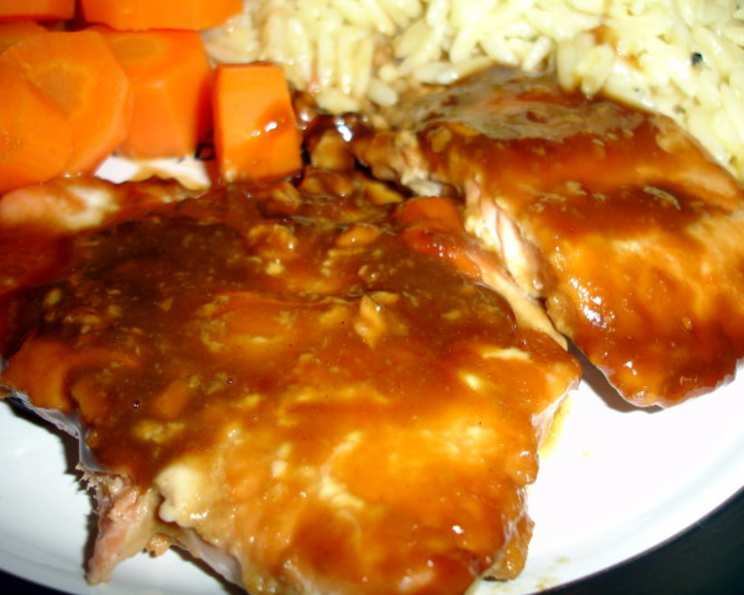
Simple Asian Glazed Salmon
I can still picture my grandmother in her tiny apartment kitchen, a cloud of fragrant steam enveloping her as she pulled a glistening salmon fillet from the oven. The air would instantly fill with the sweet and savory aroma of soy sauce, ginger, and something undeniably comforting. Though she never wrote down the recipe, I watched her meticulously, learning her secrets for achieving that perfect balance of tender, flaky fish and a sticky, caramelized glaze. This recipe is my attempt to recapture that magic, a simple yet elegant dish that always brings me back to her warm kitchen.
Recipe Overview
- Prep Time: 5 minutes
- Cook Time: 15 minutes
- Total Time: 20 minutes
- Servings: 4
- Dietary Type: Pescatarian, Gluten-Free (with Tamari instead of Soy Sauce)
Ingredients
- 4 (6 ounce) salmon fillets
- 4 tablespoons brown sugar, packed
- 4 teaspoons Dijon mustard
- 1 tablespoon soy sauce
- 1 teaspoon rice vinegar
Equipment Needed
- Baking sheet
- Small bowl
- Whisk or fork
- Pastry brush (optional)
Instructions
-
Preheat your oven to 425°F (220°C). Ensuring your oven is fully preheated is crucial for even cooking.
-
In a small bowl, combine the brown sugar, Dijon mustard, soy sauce, and rice vinegar.
-
Mix thoroughly until the brown sugar is completely dissolved. This step is important to prevent grainy glaze. A whisk works well, but a fork will do the job too.
-
Place the salmon fillets on a baking sheet. I recommend lining the baking sheet with parchment paper for easier cleanup, but it isn’t essential.
-
Brush the salmon fillets generously with the glaze mixture. Make sure each fillet is evenly coated. If you have a pastry brush, great! If not, the back of a spoon works just fine.
-
Bake at 425°F (220°C) for approximately 15 minutes, or until the salmon is cooked through and flakes easily with a fork.
-
During baking, brush the salmon with the glaze mixture several times. This helps build up a beautiful, flavorful crust. I usually baste every 5 minutes.
-
If desired, broil for 1 minute to caramelize the glaze further. Keep a close eye on the salmon while broiling, as the sugar in the glaze can burn quickly. The goal is a nice, deep color, not a charred mess.
Expert Tips & Tricks
- Don’t overcook the salmon! It should be opaque throughout and flake easily with a fork. Overcooked salmon will be dry and less flavorful. Err on the side of slightly undercooked; it will continue to cook slightly after you remove it from the oven.
- Use high-quality soy sauce. The flavor of the soy sauce will significantly impact the final dish, so opt for a good brand with a rich umami flavor.
- Adjust the sweetness to your liking. If you prefer a less sweet glaze, reduce the amount of brown sugar slightly.
- For extra flavor, add a touch of ginger or garlic to the glaze. Grated fresh ginger or minced garlic can elevate the dish to a whole new level.
- If the glaze seems too thick, add a teaspoon of water to thin it out slightly.
- To prevent sticking, lightly oil the baking sheet before placing the salmon on it, even if using parchment paper.
Serving & Storage Suggestions
This Asian Glazed Salmon is delicious served with steamed rice and stir-fried vegetables. It also pairs well with a simple salad or roasted asparagus. For a complete meal, consider adding a side of edamame or miso soup.
Leftover salmon can be stored in an airtight container in the refrigerator for up to 3 days. To reheat, gently warm it in a skillet over low heat or in the microwave. Avoid over-reheating, as this can dry out the fish. Reheating in the oven at a low temperature (275°F or 135°C) can also work, but may take longer. I don’t recommend freezing cooked salmon, as the texture can become mushy upon thawing.
Nutritional Information
| Nutrient | Amount per Serving | % Daily Value |
|---|---|---|
| Calories | 253 kcal | N/A |
| Fat | 6g | 9% |
| Saturated Fat | 0.9g | 4% |
| Cholesterol | 88mg | 29% |
| Sodium | 426mg | 17% |
| Carbohydrates | 14g | 4% |
| Fiber | 0.2g | 0% |
| Sugars | 14g | N/A |
| Protein | 34g | 68% |
Note: Nutritional information is an estimate and may vary based on specific ingredients and portion sizes.
Variations & Substitutions
- Gluten-Free: Substitute the soy sauce with tamari, a gluten-free soy sauce alternative.
- Spicy: Add a pinch of red pepper flakes or a dash of sriracha to the glaze for a touch of heat.
- Sweet & Tangy: Add a squeeze of lime or lemon juice to the glaze for a brighter flavor.
- Honey-Garlic Glaze: Replace the brown sugar with honey and add minced garlic to the glaze.
- Maple-Soy Glaze: Use maple syrup instead of brown sugar for a slightly different flavor profile.
- Other Fish: While this glaze is specifically designed for salmon, it can also be used on other types of fish, such as tuna, cod, or sea bass. Adjust the cooking time accordingly.
FAQs (Frequently Asked Questions)
Q: Can I prepare the glaze ahead of time?
A: Yes, you can prepare the glaze up to 24 hours in advance and store it in an airtight container in the refrigerator. Bring it to room temperature before using.
Q: How do I know when the salmon is cooked through?
A: The salmon is cooked when it flakes easily with a fork and is opaque throughout. The internal temperature should reach 145°F (63°C).
Q: Can I use frozen salmon fillets?
A: Yes, but make sure to thaw them completely before cooking. Pat them dry with paper towels to remove any excess moisture.
Q: Can I grill the salmon instead of baking it?
A: Absolutely! Grill the salmon over medium heat for about 4-5 minutes per side, basting with the glaze frequently.
Q: My glaze burned in the oven. What did I do wrong?
A: The oven temperature may have been too high, or the salmon was too close to the broiler. Keep a close watch on the salmon while broiling and adjust the rack position if necessary. Also, make sure the brown sugar is fully dissolved in the glaze mixture before applying to the fish.
Final Thoughts
This Simple Asian Glazed Salmon is a testament to the fact that delicious food doesn’t have to be complicated. With just a handful of ingredients and a few simple steps, you can create a restaurant-quality dish that’s perfect for a weeknight dinner or a special occasion. I encourage you to give this recipe a try and let me know what you think. Feel free to experiment with different variations and substitutions to make it your own. Pair it with a crisp Sauvignon Blanc or a chilled sake for a truly memorable meal. Bon appétit!