
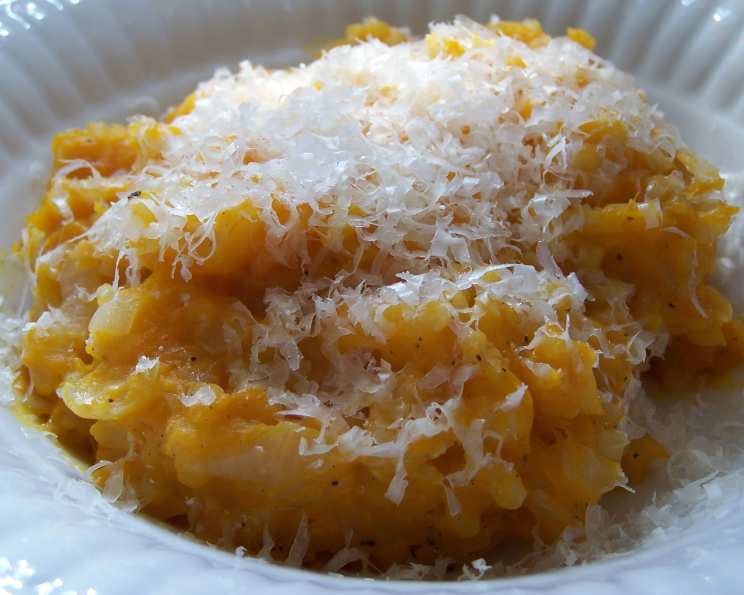
Simple Butternut Squash Risotto
My grandmother, Nonna Emilia, was a master of simple, comforting dishes, and her risotto was legendary. I still remember the warmth that spread through her tiny kitchen as she stood over the stove, patiently stirring. The aroma of toasted rice mingling with simmering broth was pure magic. While she usually made a classic Parmesan risotto, she sometimes added seasonal vegetables from her garden. One fall, it was butternut squash, and that sweet, earthy flavor instantly elevated the creamy rice to something extraordinary. This recipe is my attempt to capture that memory, a tribute to Nonna Emilia and her incredible cooking.
Recipe Overview
- Prep Time: 20 minutes
- Cook Time: 50 minutes
- Total Time: 1 hour 10 minutes
- Servings: 4
- Dietary Type: Vegetarian (can be vegan with substitutions)
Ingredients
- 1 medium butternut squash
- 3 tablespoons olive oil
- Salt
- 1 cup arborio rice
- 1 medium yellow onion
- 4 cups chicken stock (can also use vegetable stock)
- Grated Parmesan cheese (optional)
- Parsley, chopped (optional)
Equipment Needed
- Baking sheet
- Large knife
- Cutting board
- Vegetable peeler (optional, depending on squash peeling preference)
- 3-4 quart saucepan
- Smaller saucepan
- Ladle
- Food processor or potato masher (optional)
Instructions
-
Preheat your oven to 375°F (190°C). This initial step allows the squash to roast while you prep the other ingredients, saving time overall.
-
Prepare the butternut squash: Carefully cut off the neck of the squash. Then, split both the neck and the bulbous body in half lengthwise.
-
Remove the seeds and stringy pulp from the squash halves. The easiest way to do this is with a spoon or ice cream scoop.
-
Lightly brush the cut sides of the butternut squash with some of the olive oil (about 1 tablespoon) and sprinkle generously with salt.
-
Place the squash halves, cut side down, in a baking dish. Add a splash of water to the bottom of the pan to create some steam, which will help the squash cook more evenly.
-
Roast in the preheated oven for 45 minutes, or until the flesh is easily pierced with a fork. The roasting time might vary slightly depending on the size of your squash.
-
Remove the roasted squash from the oven and allow it to cool slightly. This will make it easier to handle.
-
Scoop out the flesh of the butternut squash. At this point, you have two options: you can mash the flesh with a potato masher for a heartier, more textured risotto, or you can puree it in a food processor for a smoother, creamier result. The choice is yours!
-
While the squash is roasting and cooling, pour the chicken stock (or vegetable stock) into a separate saucepan and warm it over low heat. Keeping the stock warm is crucial for maintaining the temperature of the rice as you add it, which promotes even cooking. Do not let it boil.
-
In a 3-4 quart saucepan, heat the remaining olive oil (2 tablespoons) over medium heat.
-
Add the diced yellow onion and cook, stirring occasionally, until it becomes soft and translucent. This usually takes about 5-7 minutes. Don’t rush this step; softened onions create a flavorful base for the risotto.
-
Add the arborio rice to the saucepan with the softened onions and stir to coat the grains in the oil. Toast the rice for about 1-2 minutes, stirring constantly. This process helps to release the starch in the rice, which contributes to the creamy texture of the risotto. Be careful not to brown the rice.
-
Now comes the crucial part: adding the warmed stock. Add one ladleful of stock to the rice, stirring continuously until all the liquid is absorbed. Only add more stock once the previous ladleful has been completely absorbed.
-
Continue adding the stock, one ladleful at a time, stirring constantly after each addition, until you have used all the stock and the rice is cooked through but still al dente (slightly firm to the bite). This process usually takes about 20-25 minutes. Patience is key here; constant stirring is what releases the starch and creates the creamy texture that defines risotto.
-
Once the rice is cooked to your liking, add the mashed or pureed butternut squash to the saucepan and stir until it is heated through.
-
Remove the risotto from the heat and season with salt and pepper to taste.
-
Serve immediately, topped with chopped fresh parsley or grated Parmesan cheese, if desired.
Expert Tips & Tricks
- Toast the rice: Don’t skip the step of toasting the rice with the onions. It adds a nutty flavor and helps the rice release its starch.
- Warm the stock: Using cold stock will lower the temperature of the rice and result in uneven cooking. Keep the stock warm throughout the process.
- Don’t stop stirring: Constant stirring is essential for a creamy risotto. It releases the starch in the rice and prevents it from sticking to the bottom of the pan.
- Taste as you go: Taste the risotto frequently as it cooks to check the texture of the rice and adjust the seasoning as needed.
- Make it ahead: You can roast the squash a day or two in advance and store it in the refrigerator. This will save you time on the day you want to make the risotto. You can also prep the onion ahead of time.
Serving & Storage Suggestions
Serve the Butternut Squash Risotto immediately while it’s hot and creamy. Garnish with a sprinkle of fresh parsley and a generous grating of Parmesan cheese for a beautiful and flavorful presentation.
Leftovers can be stored in an airtight container in the refrigerator for up to 3 days. To reheat, add a splash of broth or water to the risotto and heat it gently in a saucepan over low heat, stirring frequently, until heated through. You can also reheat it in the microwave, but be careful not to overcook it, as it can become dry.
Freezing risotto is not ideal, as it can change the texture of the rice. However, if you must freeze it, spread the risotto in a thin layer on a baking sheet, freeze until solid, then transfer it to an airtight container or freezer bag. Thaw overnight in the refrigerator before reheating.
Nutritional Information
| Nutrient | Amount per Serving | % Daily Value |
|---|---|---|
| Calories | 350 kcal | 18% |
| Total Fat | 12g | 15% |
| Saturated Fat | 3g | 15% |
| Cholesterol | 5mg | 2% |
| Sodium | 400mg | 17% |
| Total Carbohydrate | 55g | 20% |
| Dietary Fiber | 5g | 20% |
| Sugars | 8g | – |
| Protein | 8g | 16% |
Note: Nutritional information is an estimate and may vary based on specific ingredients and portion sizes.
Variations & Substitutions
- Vegan Risotto: Substitute vegetable stock for chicken stock and omit the Parmesan cheese. You can add a tablespoon of nutritional yeast for a cheesy flavor.
- Add Protein: Stir in cooked chicken, shrimp, or sausage for a heartier meal.
- Spice it up: Add a pinch of red pepper flakes or a dash of hot sauce for a little heat.
- Other Vegetables: Experiment with other roasted vegetables, such as sweet potatoes, carrots, or mushrooms.
- Wine: Add a splash of dry white wine (about 1/4 cup) to the rice after toasting it with the onions. Let the wine evaporate before adding the stock.
- Herbs: Experiment with different herbs, such as sage, thyme, or rosemary, to enhance the flavor of the risotto.
FAQs (Frequently Asked Questions)
Q: Can I use a different type of rice?
A: While you can technically use other types of rice, arborio rice is the best choice for risotto because its high starch content contributes to the creamy texture.
Q: How do I know when the risotto is done?
A: The risotto is done when the rice is cooked through but still al dente, and the mixture is creamy and slightly loose. It should not be soupy or dry.
Q: Can I make this risotto in a slow cooker or Instant Pot?
A: While it’s possible to adapt this recipe for a slow cooker or Instant Pot, the traditional method of stirring the rice while adding the broth is essential for achieving the proper creamy texture.
Q: What if I don’t have chicken stock?
A: Vegetable stock is a perfectly acceptable substitute for chicken stock. You can also use water, but the risotto will have less flavor.
Q: Can I add other cheese besides Parmesan?
A: Yes, you can experiment with other cheeses, such as Pecorino Romano or Asiago. Just be sure to grate the cheese finely so it melts easily into the risotto.
Final Thoughts
This Simple Butternut Squash Risotto is more than just a recipe; it’s a taste of comfort, a celebration of seasonal flavors, and a reminder of the simple joys of cooking. I encourage you to try it, experiment with your favorite variations, and share the warmth and deliciousness with your loved ones. And if you happen to find yourself with a little extra risotto, don’t hesitate to pair it with a crisp glass of Pinot Grigio – Nonna Emilia would definitely approve. Buon appetito!