
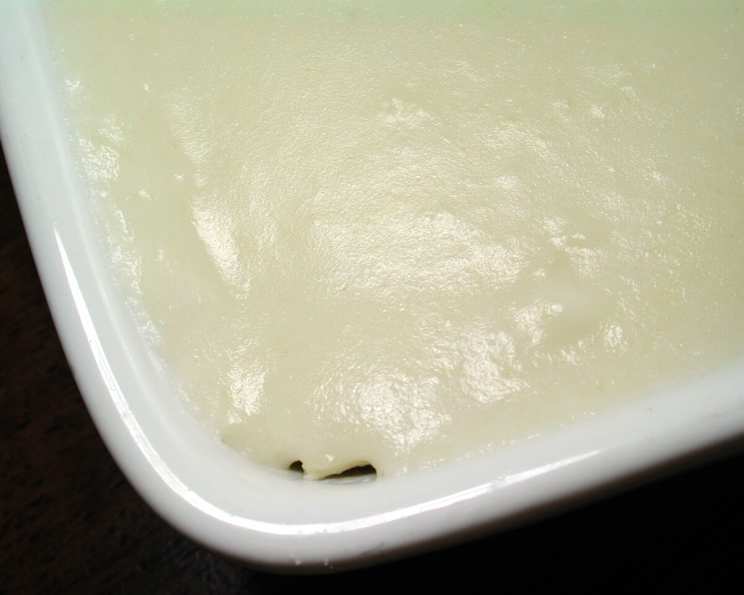
Simple Cheese Sauce — No Lumps
My grandmother, bless her heart, made a cheese sauce that could make cardboard taste gourmet. I remember standing on a stool next to her, watching in fascination as she transformed simple milk and cheese into a velvety, golden river of deliciousness. The best part? Drenching broccoli in it until every floret was coated in cheesy goodness. It was comfort food at its finest, and a memory I cherish to this day. This recipe captures that same simple magic, without the fuss.
Recipe Overview
- Prep Time: 2 minutes
- Cook Time: 10 minutes
- Total Time: 12 minutes
- Servings: 2 cups
- Yield: About 2 cups
- Dietary Type: Vegetarian
Ingredients
- 2 cups milk
- 2 tablespoons flour (more for an extra-thick sauce)
- 6 ounces extra-sharp cheddar cheese, shredded
- 1 dash garlic powder
Equipment Needed
- Medium saucepan
- Whisk or spoon
Instructions
-
Begin by heating the milk in a medium saucepan over medium heat. Watch it carefully and bring it to a gentle simmer, but don’t let it boil over.
-
While the milk is heating, in a small bowl, toss the flour with the shredded cheddar cheese. This step is crucial as it helps to prevent the cheese from clumping together when added to the hot milk. The flour coats the cheese, allowing it to melt more smoothly into the sauce.
-
Once the milk is simmering, reduce the heat to low. Gradually add the cheese and flour mixture to the simmering milk by handfuls, stirring constantly. Make sure each handful is completely melted and incorporated into the milk before adding the next. This prevents the cheese from balling up and ensures a smooth, creamy sauce. If you find the sauce is getting too thick, add a splash more milk to thin it out.
-
After all of the cheese has been added, continue to stir the sauce gently until it reaches a gentle simmer again. Let it simmer for one minute, stirring constantly. This allows the sauce to thicken slightly and ensures that the flour is fully cooked, eliminating any raw flour taste.
-
Remove the saucepan from the heat and let the cheese sauce sit for 3-5 minutes before serving. This resting period allows the sauce to thicken even further and for the flavors to meld together beautifully. Don’t be tempted to skip this step, as it makes a noticeable difference in the final texture of the sauce.
-
The cheese sauce is now ready to be used on anything that tastes good under cheese sauce! Broccoli, cauliflower, pasta, nachos…the possibilities are endless.
Expert Tips & Tricks
-
Cheese Choice Matters: The quality of your cheese significantly impacts the final flavor of your sauce. Opt for a high-quality, extra-sharp cheddar for the best results. Pre-shredded cheese often contains cellulose, which can hinder melting, so shredding your own is highly recommended.
-
Seasoning Savvy: If your cheddar isn’t quite sharp enough for your liking, consider adding a pinch of mustard powder or a dash of Worcestershire sauce for extra depth of flavor. A tiny pinch of cayenne pepper can also add a subtle kick.
-
Thinning or Thickening: If your sauce is too thick, whisk in a little more milk until it reaches your desired consistency. If it’s too thin, you can create a slurry of 1 teaspoon of flour mixed with 1 tablespoon of cold milk, whisk it into the sauce, and simmer for another minute to thicken it.
-
Low and Slow is the Way to Go: Patience is key when making cheese sauce. Keep the heat low and stir frequently to prevent burning or scorching. Rushing the process can result in a grainy or separated sauce.
-
Preventing Lumps: Tossing the flour with the shredded cheese before adding it to the hot milk is essential to prevent lumps. The flour coats the cheese, which stops the cheese from clumping together when it hits the hot milk, and helps it melt smoothly into the sauce.
Serving & Storage Suggestions
Serve your freshly made cheese sauce immediately while it’s still warm and smooth. It’s delicious poured over steamed vegetables like broccoli or cauliflower, stirred into macaroni for a classic mac and cheese, or used as a dip for tortilla chips or pretzels.
Leftover cheese sauce can be stored in an airtight container in the refrigerator for up to 3-4 days. When reheating, add a splash of milk to help loosen it up and prevent it from becoming too thick. Reheat gently over low heat, stirring frequently, or in the microwave in short bursts, stirring in between.
Freezing cheese sauce is not generally recommended, as it can become grainy and separated upon thawing. However, if you must freeze it, let it cool completely before transferring it to a freezer-safe container. Thaw it in the refrigerator overnight and reheat gently as described above. Be prepared for a slight change in texture.
Nutritional Information
| Nutrient | Amount per Serving | % Daily Value |
|---|---|---|
| Calories | 529 kcal | N/A |
| Calories from Fat | 335 kcal | N/A |
| Total Fat | 37.2 g | 57% |
| Saturated Fat | 23.5 g | 117% |
| Cholesterol | 123.6 mg | 41% |
| Sodium | 649 mg | 27% |
| Total Carbohydrate | 18.7 g | 6% |
| Dietary Fiber | 0.2 g | 1% |
| Sugars | 0.5 g | 1% |
| Protein | 30.1 g | 60% |
Note: Nutritional information is an estimate and may vary based on specific ingredients used.
Variations & Substitutions
-
Spicy Cheese Sauce: Add a pinch of cayenne pepper or a dash of hot sauce for a spicy kick. You can also use a jalapeño cheddar for a flavorful and fiery twist.
-
Smoked Cheese Sauce: Use smoked Gouda or smoked cheddar for a smoky and rich flavor.
-
Garlic Cheese Sauce: Roast a head of garlic and mash it into the sauce for an intensely garlicky flavor.
-
Herb Cheese Sauce: Stir in fresh herbs like thyme, rosemary, or chives for added freshness and flavor.
-
Dairy-Free Cheese Sauce: Substitute the milk with a plant-based milk alternative like almond milk or soy milk. Use a plant-based cheddar alternative, ensuring it melts well. Add a tablespoon of nutritional yeast for a cheesy flavor.
FAQs (Frequently Asked Questions)
Q: How can I prevent my cheese sauce from becoming grainy?
A: Using high-quality cheese, shredding it yourself, and keeping the heat low are all key to preventing a grainy sauce. Also, don’t overcook it.
Q: Can I use a different type of cheese?
A: Absolutely! Feel free to experiment with different types of cheeses, such as Monterey Jack, Gruyere, or pepper jack, to create unique flavor combinations.
Q: What if my cheese sauce is too thick?
A: Whisk in a little more milk until it reaches your desired consistency. Start with a tablespoon at a time and add more as needed.
Q: Can I make this cheese sauce ahead of time?
A: Yes, you can make it ahead of time and store it in the refrigerator for up to 3-4 days. Reheat gently over low heat, stirring frequently, or in the microwave in short bursts, stirring in between. Add a splash of milk to loosen it up when reheating.
Q: What can I serve with this cheese sauce?
A: This cheese sauce is incredibly versatile and can be served with a variety of dishes, including steamed vegetables, pasta, nachos, potatoes, and even as a dip for pretzels or bread.
Final Thoughts
This simple cheese sauce is a testament to the fact that sometimes the most delicious things are also the easiest to make. It’s a blank canvas for flavor exploration, so don’t be afraid to experiment with different cheeses, spices, and herbs to create your own signature version. I hope this recipe brings you as much comfort and joy as it has brought me over the years. So, gather your ingredients, put on some music, and get ready to whip up a batch of cheesy goodness that will warm your heart and soul. And don’t forget to share your creations with friends and family – they’ll thank you for it!