
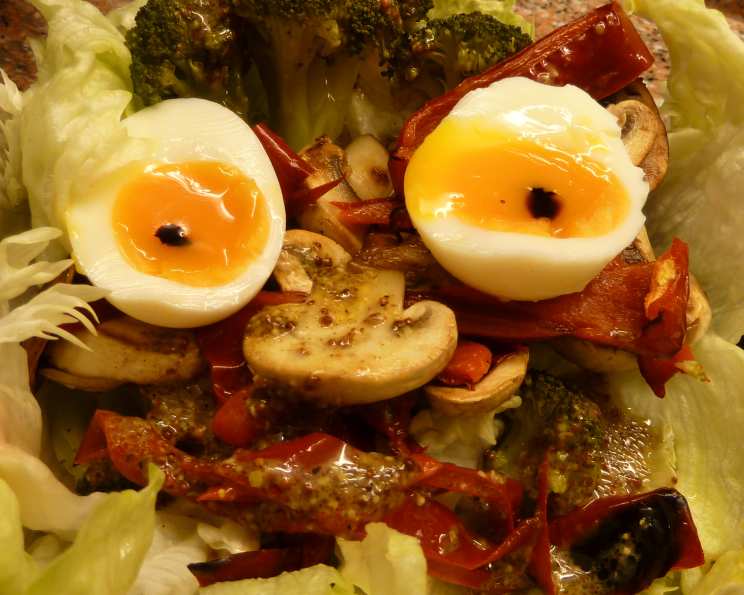
The Only Dijon Vinaigrette Recipe You’ll Ever Need
I remember the first time I truly understood the power of a simple vinaigrette. It was a sweltering summer evening at a tiny bistro in Provence. We ordered a simple green salad, expecting little more than a palate cleanser. But then came that dressing – a vibrant, tangy, perfectly balanced Dijon vinaigrette that transformed humble greens into a revelation. It was a moment that sparked a lifelong appreciation for the transformative magic of a well-made dressing, and this recipe is my attempt to capture that Provencal magic.
Recipe Overview
- Prep Time: 3 minutes
- Cook Time: 0 minutes
- Total Time: 3 minutes
- Servings: 4
- Yield: Approximately 1/4 cup
- Dietary Type: Vegan, Gluten-Free, Dairy-Free, Keto
Ingredients
- 1 tablespoon Dijon mustard
- 1 tablespoon red wine vinegar
- 3 tablespoons extra virgin olive oil
- 1 pinch sugar
- Salt and pepper to taste
Equipment Needed
- Small bowl or mini blender/food processor
- Whisk or blender
Instructions
- In a small bowl, mini blender, or mini food processor, whisk or blend the Dijon mustard and red wine vinegar until smooth. This step is crucial for creating a stable emulsion and preventing the dressing from separating later.
- Add the extra virgin olive oil, sugar, salt, and pepper.
- Mix until completely emulsified. If using a bowl, whisk vigorously. If using a blender or food processor, pulse until the mixture is thick and creamy. You’ll know it’s emulsified when the oil and vinegar have fully combined, creating a homogenous dressing.
- Taste and add more sugar, salt, or pepper to taste. This is where you can adjust the dressing to your personal preferences. A little more sugar will mellow the acidity, while extra salt will enhance the overall flavor.
- Serve immediately.
Expert Tips & Tricks
- Emulsification is key: The secret to a great vinaigrette lies in proper emulsification. If you’re whisking by hand, add the olive oil in a slow, steady stream while whisking continuously. This helps the oil break down into tiny droplets that are suspended in the vinegar, creating a stable emulsion.
- Use high-quality ingredients: The quality of your ingredients will directly impact the flavor of your vinaigrette. Opt for a good quality extra virgin olive oil with a fruity aroma and a flavorful red wine vinegar.
- Don’t over-process: If using a blender or food processor, be careful not to over-process the dressing, as this can cause the oil to break down and result in a bitter taste. Pulse the mixture until just combined.
- Make it ahead: While best served fresh, you can make this vinaigrette a few hours in advance. Store it in an airtight container in the refrigerator and whisk well before serving. The oil may solidify in the fridge; let it come to room temperature for about 15 minutes and whisk again until smooth.
- Adjust the ratio: Feel free to adjust the ratio of oil to vinegar to your liking. If you prefer a tangier dressing, use a 1:2 ratio of oil to vinegar. For a milder dressing, use a 3:1 ratio.
- Warm the Dijon: To help the dressing emulsify, try leaving the Dijon mustard out at room temperature for an hour before using it.
Serving & Storage Suggestions
This Dijon vinaigrette is incredibly versatile and can be used in a variety of ways.
- Salads: It’s perfect for dressing leafy green salads, such as mixed greens, romaine lettuce, or spinach.
- Vegetables: Drizzle it over roasted vegetables like asparagus, Brussels sprouts, or bell peppers.
- Grilled meats and fish: Use it as a marinade or finishing sauce for grilled chicken, fish, or steak.
- Grain bowls: Add a tangy touch to grain bowls with quinoa, farro, or brown rice.
- Sandwiches and wraps: Spread a thin layer on sandwiches or wraps for added flavor and moisture.
Storage: Store leftover vinaigrette in an airtight container in the refrigerator for up to 5 days. The oil may solidify in the fridge, so let it come to room temperature for about 15 minutes and whisk well before serving. This dressing is not suitable for freezing.
Nutritional Information
| Nutrient | Amount per Serving | % Daily Value |
|---|---|---|
| Calories | 93 kcal | 5% |
| Total Fat | 10.3 g | 15% |
| Saturated Fat | 1.4 g | 7% |
| Cholesterol | 0 mg | 0% |
| Sodium | 43.1 mg | 2% |
| Total Carbohydrate | 0.2 g | 0% |
| Dietary Fiber | 0.1 g | 0% |
| Sugars | 0 g | 0% |
| Protein | 0.2 g | 0% |
Variations & Substitutions
- Honey-Dijon Vinaigrette: Substitute the sugar with honey for a sweeter, more floral flavor. Start with 1 teaspoon and adjust to taste.
- Lemon-Dijon Vinaigrette: Replace the red wine vinegar with fresh lemon juice for a brighter, more citrusy flavor.
- Herb-Dijon Vinaigrette: Add 1-2 tablespoons of chopped fresh herbs, such as parsley, chives, tarragon, or dill, for a more complex and aromatic dressing.
- Garlic-Dijon Vinaigrette: Mince or press 1-2 cloves of garlic and add them to the dressing for a pungent and savory flavor.
- Shallot-Dijon Vinaigrette: Finely dice 1 shallot and add it to the dressing for a more subtle and refined onion flavor.
- Maple-Dijon Vinaigrette: Use maple syrup instead of sugar for a richer, more caramelized sweetness.
- Spicy-Dijon Vinaigrette: Add a pinch of red pepper flakes or a dash of hot sauce for a kick of heat.
FAQs (Frequently Asked Questions)
Q: Why does my vinaigrette separate?
A: Vinaigrettes separate because oil and vinegar don’t naturally mix. Emulsifying the dressing well by whisking vigorously or using a blender/food processor helps to keep the ingredients combined temporarily.
Q: Can I use a different type of vinegar?
A: Yes, you can experiment with other vinegars like white wine vinegar, apple cider vinegar, or balsamic vinegar. Keep in mind that each type of vinegar will impart a different flavor to the dressing.
Q: Can I use a different type of oil?
A: While extra virgin olive oil is recommended for its flavor and health benefits, you can use other neutral-flavored oils like avocado oil or grapeseed oil.
Q: How long does homemade vinaigrette last?
A: Homemade vinaigrette will typically last for up to 5 days in the refrigerator when stored in an airtight container.
Q: Is Dijon mustard essential for this recipe?
A: While you could substitute with another type of mustard, Dijon is what provides the characteristic tang and emulsifying properties. Using a different mustard may affect the final flavor and texture of the dressing.
Final Thoughts
This simple Dijon vinaigrette is a kitchen staple that every home cook should master. It’s quick, easy, and endlessly customizable, allowing you to create a dressing that perfectly complements your favorite salads and dishes. Don’t be afraid to experiment with different variations and find your perfect flavor combination. So, grab your ingredients, whisk up a batch, and experience the transformative power of a well-made vinaigrette. Bon appétit!