
Simple Miso Soup: A Warm Bowl of Japanese Comfort
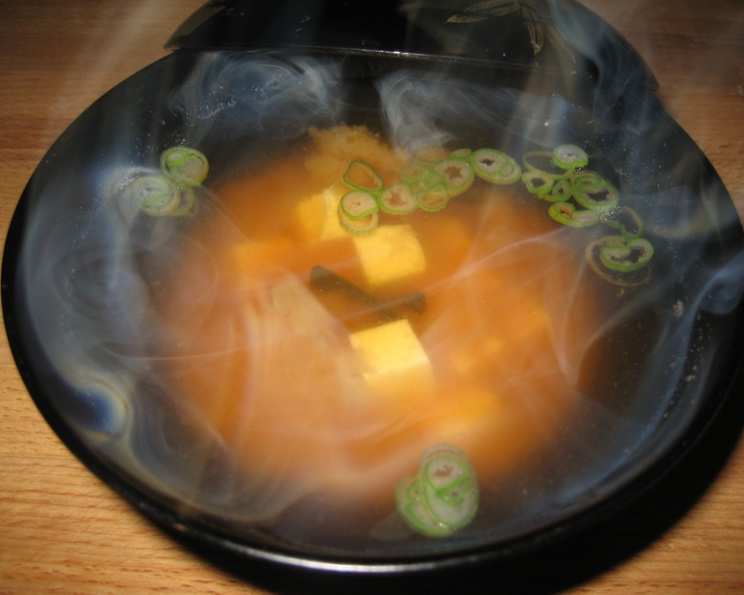
The first time I tasted truly exceptional miso soup was on a frigid February morning in Kyoto. The steam rising from the dark, lacquered bowl warmed my face as much as the savory broth warmed my soul. It was more than just a simple soup; it was a comforting hug, a taste of history, and a reminder that even the simplest things, when made with care, can be extraordinary. I’ve been chasing that memory ever since, and this recipe brings me closer to that perfect bowl every time.
Recipe Overview
- Prep Time: 5 minutes
- Cook Time: 15 minutes
- Total Time: 20 minutes
- Servings: 4
- Dietary Type: Vegetarian (easily Vegan)
Ingredients
- 3 cups water
- 1 teaspoon instant dashi stock (granules)
- 1-2 tablespoons miso (I like a mix of about 4 parts red to 1 part white)
- 2-3 tablespoons dried wakame seaweed (sea vegetable)
- ½ cup diced tofu (I like kinugoshi, silken tofu)
- 2-4 tablespoons very thinly sliced green onions
Equipment Needed
- Small saucepan
- Small bowl or dish
- Whisk or small spoon
- 4 soup bowls (preferably Japanese soup bowls with lids)
Instructions
-
In a small saucepan, combine the water and dashi granules. Bring the mixture to a boil over medium-high heat, stirring until the dashi is completely dissolved. This creates the foundational broth for your miso soup.
-
Add the dried wakame seaweed to the boiling broth. Reduce the heat to a simmer and let the wakame rehydrate. This usually takes about 3-5 minutes, until the wakame has expanded and become tender. Keep an eye on it, as the timing can vary slightly depending on the type of wakame.
-
While the wakame is rehydrating, prepare your soup bowls. Divide the diced tofu evenly among the 4 bowls. Using silken tofu (kinugoshi) gives a delicate, melt-in-your-mouth texture, but feel free to experiment with firmer varieties if you prefer a heartier bite. Japanese soup bowls, ideally with lids, help to retain the heat and aromas.
-
Once the wakame is tender, remove the saucepan from the heat. In a small, shallow bowl or dish, place the miso. I prefer a blend of about 4 parts red miso to 1 part white miso for a balance of umami and sweetness, but feel free to experiment with different types to find your personal preference.
-
Add a small amount of the hot broth from the saucepan to the bowl with the miso. Using a whisk or small spoon, blend the miso and broth together until it forms a smooth paste. Repeat this process, gradually adding more broth and mixing until the miso mixture becomes somewhat runny and is well-combined with the broth. This step is crucial for preventing clumps of miso from forming in the soup.
-
Pour the miso mixture into the saucepan with the remaining broth and wakame. Stir gently to combine.
-
Return the saucepan to the heat briefly. Heat the soup until it is very hot, but do not allow it to boil. Boiling the miso can negatively affect its flavor and nutritional value. The goal is simply to warm the miso through.
-
Carefully pour the hot miso soup over the tofu in each of the bowls.
-
Garnish each bowl with thinly sliced green onions.
-
Cover the bowls with lids (if using) and serve immediately. Miso soup should be served very hot.
Expert Tips & Tricks
- Miso Selection: Experiment with different types of miso to find your favorite. Red miso tends to be bolder and saltier, while white miso is sweeter and milder. You can also find blends of different misos for a more complex flavor.
- Don’t Boil the Miso: Remember, boiling miso can destroy its delicate flavors and some of its beneficial enzymes. Aim for a gentle heating process.
- Prepare the Miso Separately: Whisking the miso with a little broth before adding it to the main pot prevents clumping and ensures a smoother, more evenly distributed flavor.
- Enhance the Dashi: While instant dashi is convenient, you can elevate the flavor by using homemade dashi made from kombu (dried kelp) and katsuobushi (dried bonito flakes).
- Tofu Texture: For an even smoother texture, try gently warming the tofu in a separate bowl with a little hot water before adding it to the soup.
Serving & Storage Suggestions
Miso soup is best served immediately while piping hot. It’s a perfect accompaniment to any Japanese meal or a light and nourishing snack.
Leftover miso soup can be stored in an airtight container in the refrigerator for up to 2 days. Reheat gently on the stovetop over low heat, being careful not to boil the miso. The texture of the tofu may change slightly upon reheating.
Freezing is not recommended, as it can significantly alter the texture of the tofu and wakame.
Nutritional Information
| Nutrient | Amount per Serving | % Daily Value |
|---|---|---|
| Calories | 60 kcal | 3% |
| Total Fat | 2g | 3% |
| Saturated Fat | 0g | 0% |
| Cholesterol | 0mg | 0% |
| Sodium | 500mg | 22% |
| Total Carbohydrate | 5g | 2% |
| Dietary Fiber | 1g | 4% |
| Sugars | 1g | 2% |
| Protein | 5g | 10% |
Note: Nutritional information is an estimate and may vary based on specific ingredients and portion sizes.
Variations & Substitutions
- Vegan Miso Soup: Ensure your dashi is vegan by using a kombu (dried kelp) based dashi instead of one containing bonito flakes (katsuobushi).
- Different Miso Types: Explore using different varieties of miso to customize the flavor profile.
- Add Vegetables: Enhance the soup with thinly sliced carrots, daikon radish, mushrooms (shiitake, enoki), or spinach.
- Protein Boost: Add cooked noodles (such as udon or soba), a poached egg, or leftover cooked chicken or fish for a heartier meal.
- Spice it Up: Add a pinch of red pepper flakes or a dash of chili oil for a spicy kick.
- Seaweed Variety: Experiment with different types of seaweed, such as nori or kombu, in addition to or in place of wakame.
FAQs (Frequently Asked Questions)
Q: Can I use a different type of tofu?
A: Yes, you can use any type of tofu you prefer. Silken tofu (kinugoshi) provides a very delicate texture, while firmer tofu varieties will hold their shape better in the soup.
Q: Can I make miso soup ahead of time?
A: While it’s best served fresh, you can prepare the dashi broth and rehydrate the wakame ahead of time. Add the miso and tofu just before serving to prevent the flavors from becoming too strong and the tofu from becoming too soft.
Q: What if I don’t have instant dashi granules?
A: You can make dashi from scratch using kombu (dried kelp) and katsuobushi (dried bonito flakes). Alternatively, you can use vegetable broth as a substitute, but the flavor will be slightly different.
Q: Can I add salt to miso soup?
A: Taste the soup before adding any additional salt. Miso is naturally salty, and you may not need to add any extra.
Q: Is miso soup gluten-free?
A: Most miso is gluten-free, but it’s always a good idea to check the label, especially if you have celiac disease or gluten sensitivity. Some miso varieties may contain barley or other gluten-containing ingredients.
Final Thoughts
This simple miso soup is more than just a recipe; it’s an invitation to slow down, savor the moment, and appreciate the beauty of simplicity. I encourage you to try it, experiment with different ingredients, and make it your own. Whether you’re looking for a comforting start to your day or a light and nourishing meal, this miso soup is sure to satisfy. Share your creations and feedback with me – I’d love to hear about your culinary adventures! Perhaps pair it with some perfectly steamed rice and a side of pickled vegetables for a truly authentic Japanese experience.