
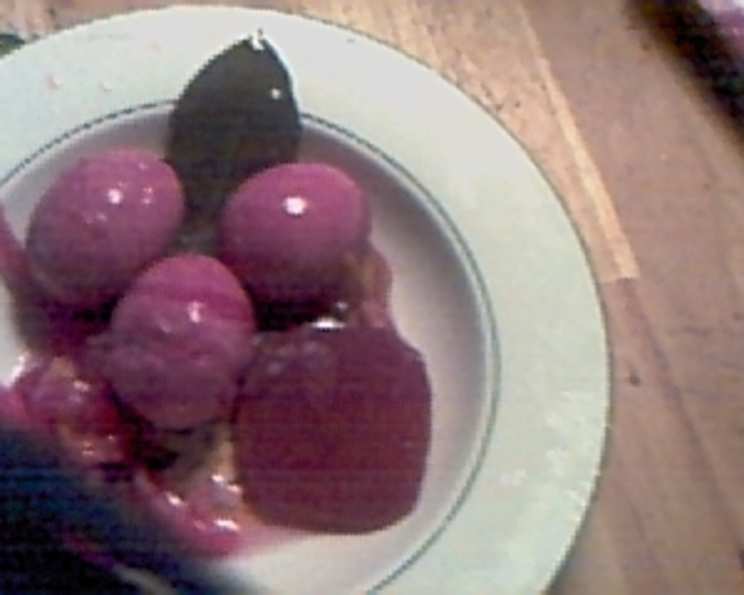
Simple Pickled Eggs & Beets: A Culinary Nostalgia Trip
The first time I tasted pickled eggs and beets, I was perched on a stool in my grandmother’s sun-drenched kitchen, the linoleum cool beneath my bare feet. The vibrant magenta color of the brine, staining the eggs and the beet slices, was mesmerizing. That tangy, slightly sweet, and utterly unforgettable flavor sparked a love affair that has lasted my entire life. It wasn’t just the taste; it was the feeling of being utterly and completely cared for, a feeling inextricably linked to that simple, perfect snack.
Recipe Overview
- Prep Time: 15 minutes
- Cook Time: 10 minutes
- Total Time: 2 hours 15 minutes (includes chilling time)
- Servings: 6-8
- Yield: Approximately 12 eggs and beets
- Dietary Type: Gluten-Free
Ingredients
- 1 (15 ounce) can whole medium beets, with juice
- 6 hard-boiled eggs, peeled
- 1 medium onion, sliced into rings
- 1 cup white vinegar
- 1/2 cup white sugar
- 1/4 teaspoon black pepper
- 1/4 teaspoon salt
- 1/8 teaspoon garlic powder
Equipment Needed
- Medium saucepan
- Large container with a lid (glass or plastic)
- Knife
- Cutting board
Instructions
- In a medium saucepan, combine the white vinegar, white sugar, black pepper, salt, and garlic powder.
- Bring the mixture to a boil over medium-high heat, stirring constantly until the sugar is completely melted. This typically takes about 5-7 minutes. Ensuring the sugar is fully dissolved is crucial for the proper pickling process.
- Remove the saucepan from the heat and allow the vinegar mixture to cool completely. Cooling it down prevents the hot liquid from toughening the eggs.
- While the vinegar mixture is cooling, prepare the other ingredients. Slice the onion into thin rings. If you find raw onion too strong, you can briefly sauté them in a pan with a little oil until they soften slightly.
- In a large container, carefully combine the beets (including their juice), the peeled hard-boiled eggs, and the sliced onions. The beet juice is essential for achieving the characteristic vibrant color and flavor.
- Once the vinegar mixture has cooled, pour it over the beets, eggs, and onions in the container. Make sure the liquid covers all the ingredients. If necessary, add a little more vinegar or water to ensure everything is submerged.
- Gently mix the ingredients to combine, ensuring the eggs and beets are evenly coated with the pickling liquid.
- Cover the container with a lid and refrigerate for at least 2 hours before serving. However, the longer the mixture sits, the better the flavor will develop. Ideally, let it sit for at least 24 hours, or even up to a week, for the best results.
Expert Tips & Tricks
- Egg Peeling Perfection: For easy-to-peel hard-boiled eggs, add a teaspoon of baking soda to the water before boiling. After boiling, immediately transfer the eggs to an ice bath. This rapid cooling helps to contract the egg white and separate it from the shell.
- Controlling the Sweetness: Adjust the amount of sugar to your liking. If you prefer a tangier pickle, reduce the sugar to 1/4 cup. Conversely, if you like it sweeter, increase it to 3/4 cup.
- Intensify the Flavor: Add a bay leaf or a few whole cloves to the vinegar mixture while it’s boiling for an extra layer of flavor. A pinch of red pepper flakes can also add a subtle kick.
- Reusing the Brine: Don’t discard the brine after you’ve eaten the eggs and beets! You can add more hard-boiled eggs and beets to the leftover brine to continue the pickling process. The flavor will continue to develop over time. Just make sure there is enough brine to cover whatever you add.
- Preventing Discoloration: To prevent the yolks of the hard-boiled eggs from turning green, avoid overcooking them. Cook just until the yolks are set. Overcooked eggs can react with the sulfur in the egg white, leading to a greenish discoloration. This doesn’t affect the taste, but it can be visually unappealing.
Serving & Storage Suggestions
Serve your pickled eggs and beets chilled as a snack, appetizer, or side dish. They pair beautifully with crackers, cheese, or crusty bread. They are also a wonderful addition to salads or as a colorful garnish for sandwiches.
Store the pickled eggs and beets in an airtight container in the refrigerator. They will keep for up to 2 weeks, and the flavor will continue to improve over time. It is generally not recommended to freeze pickled eggs, as the texture of the eggs can become rubbery.
Nutritional Information
| Nutrient | Amount per Serving | % Daily Value |
|---|---|---|
| Calories | 190 kcal | 10% |
| Total Fat | 6g | 8% |
| Saturated Fat | 2g | 10% |
| Cholesterol | 215mg | 72% |
| Sodium | 220mg | 9% |
| Total Carbohydrate | 27g | 9% |
| Dietary Fiber | 2g | 7% |
| Sugars | 24g | – |
| Protein | 8g | 16% |
Note: Nutritional information is an estimate and can vary based on specific ingredients and portion sizes.
Variations & Substitutions
- Spicy Pickled Eggs: Add a pinch of red pepper flakes or a sliced jalapeno to the brine for a spicy kick.
- Sweet and Sour Pickled Eggs: Substitute half of the white vinegar with apple cider vinegar for a slightly sweeter and more complex flavor.
- Pickled Quail Eggs: Use quail eggs instead of chicken eggs for a smaller, more delicate treat. Adjust the pickling time accordingly, as quail eggs require less time to absorb the flavor.
- Pickled Onions: Add other vegetables such as sliced carrots, cauliflower florets, or green beans to the pickling brine for a mixed pickled vegetable medley.
- Brown Sugar Variation: Substitute white sugar with brown sugar for a richer, molasses-like flavor.
FAQs (Frequently Asked Questions)
Q: How long do pickled eggs last in the refrigerator?
A: Pickled eggs can last for up to 2 weeks in the refrigerator if stored properly in an airtight container and submerged in the pickling brine.
Q: Can I use different types of vinegar?
A: Yes, you can experiment with different vinegars such as apple cider vinegar or rice vinegar, but be aware that this will change the overall flavor profile. White vinegar provides the most neutral flavor.
Q: Why are my pickled eggs rubbery?
A: Rubbery pickled eggs are usually caused by overcooking the hard-boiled eggs or using too much vinegar in the brine. Make sure to cook the eggs just until the yolks are set and adjust the vinegar to sugar ratio to your liking.
Q: Can I reuse the pickling brine?
A: Yes, you can reuse the pickling brine to pickle more eggs or beets. The flavor of the brine will intensify with each use, so you may need to adjust the seasoning.
Q: Can I add other spices to the brine?
A: Absolutely! Feel free to experiment with different spices such as mustard seeds, coriander seeds, or dill seeds to customize the flavor of your pickled eggs and beets.
Final Thoughts
Pickled eggs and beets are more than just a recipe; they are a taste of nostalgia, a reminder of simpler times, and a celebration of bold flavors. This simple recipe is a wonderful way to preserve fresh ingredients and create a unique and satisfying snack. Don’t be afraid to experiment with different variations and substitutions to find your perfect combination. So, gather your ingredients, roll up your sleeves, and embark on a culinary adventure that is sure to delight your taste buds and transport you back to cherished memories. Share your creations and feedback, and consider pairing them with a crisp, dry white wine or a refreshing lager for a truly delightful experience.