
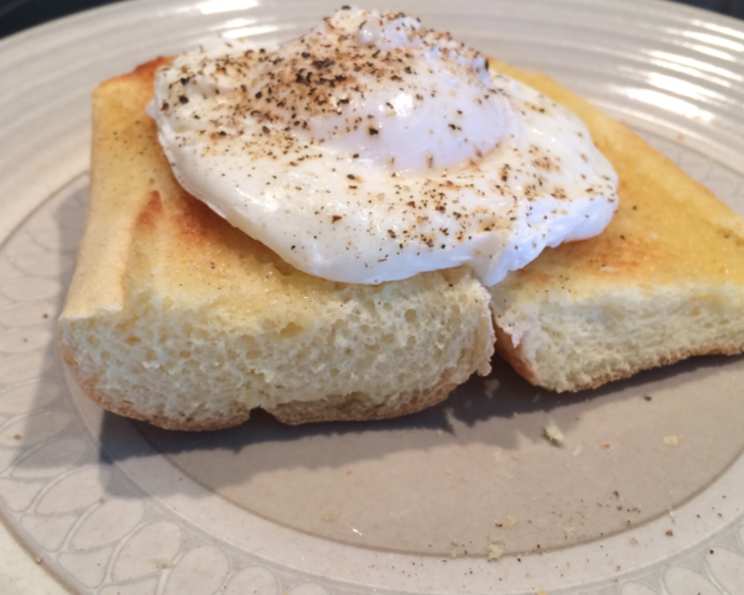
The Perfect Poached Egg: A Chef’s Guide
My earliest memory of a perfectly poached egg isn’t from a fancy brunch, but from my grandmother’s tiny kitchen. She’d meticulously crack each egg into a teacup, swirl the water just so, and then, like a magician, produce these glistening orbs of culinary perfection. The yolk, a vibrant sunset orange, would ooze over buttered toast, creating a symphony of flavor and texture that remains a comfort to this day. It’s a dish of simple elegance, accessible to all, and with a few key techniques, easily mastered.
Recipe Overview
- Prep Time: 1 minute
- Cook Time: 3 minutes
- Total Time: 4 minutes
- Servings: 1
- Dietary Type: Vegetarian, Gluten-Free (if served without toast)
Ingredients
- 1 large egg
- Water
- Salt
- Pepper
- 1 slice of toast (your favorite kind)
Equipment Needed
- Small saucepan
- Small bowl or teacup
- Slotted spoon
Instructions
-
Begin by bringing a pot of water to a rolling boil. Use a saucepan that’s wide enough to comfortably accommodate the egg without overcrowding.
-
While the water is heating, carefully crack the egg open into a small bowl or teacup. This step is crucial; it allows you to gently slide the egg into the water, preventing the yolk from breaking.
-
Once the water reaches a boil, reduce the heat immediately to a gentle simmer. The water should be barely moving, with small bubbles occasionally rising to the surface. This gentle heat is key to preventing the egg from toughening.
-
Gently transfer the egg from the bowl into the simmering water. Hold the bowl close to the surface of the water and slide the egg in steadily. This helps the egg white to coagulate around the yolk, forming a neat shape.
-
Cook the egg for exactly 3 minutes. This cooking time will result in a perfectly runny yolk. For a slightly firmer yolk, cook for an additional 30 seconds to a minute, but keep a close eye on it. The whites should be set but still tender.
-
Gently remove the egg from the water using a slotted spoon. Allow any excess water to drain off.
-
Place the poached egg on your slice of buttered toast or serve as desired.
-
Sprinkle with salt and pepper to taste (optional).
Expert Tips & Tricks
- The Fresher the Egg, the Better: Fresh eggs hold their shape better during poaching. If your eggs aren’t super fresh, consider adding a tablespoon of white vinegar to the water. The acidity helps the egg whites coagulate faster.
- Swirl Power: Creating a gentle whirlpool in the water before adding the egg can help the egg white wrap around the yolk, forming a more compact shape. Use a spoon to gently stir the water in a circular motion, then carefully slip in the egg.
- Egg Poaching Rings: For perfectly round poached eggs, use egg poaching rings. Simply place the rings in the simmering water, crack the eggs into the rings, and cook as directed.
- Don’t Overcrowd: If poaching multiple eggs at once, make sure they have enough space in the pot. Overcrowding can lower the water temperature and result in unevenly cooked eggs. Work in batches if necessary.
- The “Poke” Test: To check for doneness, gently poke the egg with a spoon. The whites should be firm, and the yolk should yield slightly to the touch.
Serving & Storage Suggestions
Serve your perfectly poached egg immediately. It’s best enjoyed hot, with the yolk still runny. Poached eggs are delicious on toast, English muffins, bagels, or as part of Eggs Benedict. They also make a wonderful addition to salads, pasta dishes, and vegetable sides.
While freshly poached eggs are best, you can poach them ahead of time and store them in the refrigerator for up to 24 hours. To do this, poach the eggs slightly under (about 2 minutes), then immediately transfer them to a bowl of ice water to stop the cooking process. Store the eggs in the refrigerator submerged in the ice water.
To reheat, gently warm the eggs in simmering water for about 1 minute, or until heated through. Be careful not to overcook them during the reheating process.
Nutritional Information
| Nutrient | Amount per Serving | % Daily Value |
|---|---|---|
| Calories | 190 kcal | 10% |
| Total Fat | 14g | 18% |
| Saturated Fat | 4.5g | 23% |
| Cholesterol | 186mg | 62% |
| Sodium | 140mg | 6% |
| Total Carbohydrate | 1g | 0% |
| Dietary Fiber | 0g | 0% |
| Sugars | 1g | |
| Protein | 13g | 26% |
Note: Nutritional information is an estimate and may vary based on specific ingredients and portion sizes.
Variations & Substitutions
- Eggs Benedict: Elevate your poached egg by serving it on an English muffin with Canadian bacon and hollandaise sauce.
- Florentine: Top your poached egg with sautéed spinach for a classic Florentine variation.
- Avocado Toast: Add slices of creamy avocado to your toast for a healthy and delicious breakfast or lunch.
- Spicy Kick: Sprinkle a pinch of red pepper flakes or a dash of hot sauce on your poached egg for a spicy twist.
- Herbed Delight: Garnish your poached egg with fresh herbs like chives, parsley, or dill.
FAQs (Frequently Asked Questions)
Q: Why does my egg white spread out in the water?
A: This is usually due to using an older egg. The egg white thins out as it ages. Adding a little vinegar to the water can help it coagulate faster.
Q: How do I prevent the yolk from breaking when poaching the egg?
A: Handle the egg gently when cracking it into the bowl and sliding it into the water. Avoid agitating the water too much during cooking.
Q: Can I poach eggs in advance?
A: Yes, you can poach them slightly under (about 2 minutes) and then store them in ice water in the refrigerator for up to 24 hours. Reheat them in simmering water for about 1 minute before serving.
Q: What if I don’t have a slotted spoon?
A: You can carefully remove the egg with a regular spoon, but be extra gentle to avoid breaking the yolk.
Q: How do I know when the egg is perfectly poached?
A: The whites should be firm but still tender, and the yolk should be runny but not completely liquid. You can gently poke the egg with a spoon to check for doneness.
Final Thoughts
Mastering the art of the perfectly poached egg is a culinary skill that will reward you time and time again. It’s a simple yet elegant dish that can be enjoyed on its own or used as a building block for countless other creations. Don’t be afraid to experiment with different variations and toppings to find your own signature style. I encourage you to try this recipe, share your creations, and most importantly, enjoy the deliciousness of a perfectly poached egg. Pair it with a strong cup of coffee or a refreshing mimosa for the ultimate brunch experience!