
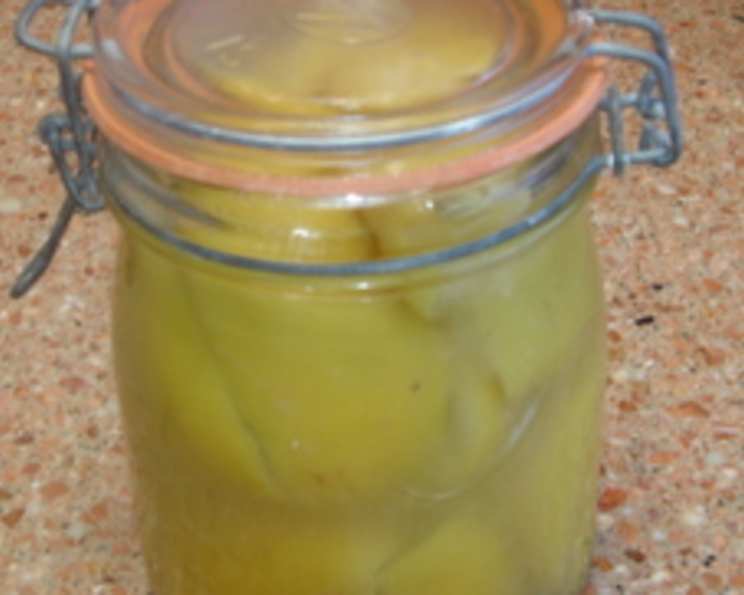
Simple Preserved Lemons: A Burst of Sunshine in Every Bite
I still remember the first time I tasted preserved lemons. I was volunteering at a small farm-to-table restaurant in the Mediterranean. The chef, a stout woman with hands as weathered as the ancient olive trees surrounding the property, slipped a sliver of the fragrant, intensely flavored peel into a tagine. That one tiny addition transformed the entire dish, adding a bright, salty, and incredibly complex note that I’d never experienced before. I was instantly hooked and begged her to share her secrets. I am now sharing this simple version with you.
Recipe Overview
- Prep Time: 15 minutes
- Cook Time: 5 minutes
- Total Time: 5 days, 5 minutes
- Yields: Varies depending on lemon size (approximately 1-2 quarts)
- Dietary Type: Vegan, Gluten-Free, Dairy-Free
Ingredients
- 2 1/2 – 3 lbs (10 to 12) lemons
- 2/3 cup coarse salt (sea salt or kosher salt recommended)
- 1/4 cup olive oil
Equipment Needed
- Large pot
- Large bowl
- Sharp knife
- Cutting board
- Glass jar(s) with lid(s), sterilized
Instructions
- Blanch 6 lemons: Bring a large pot of water to a rolling boil. Carefully add 6 lemons to the boiling water. Blanch the lemons for exactly 5 minutes. This step softens the peel and helps to draw out the bitterness.
- Cool and Cut: Remove the blanched lemons from the boiling water and let them cool enough to handle. Once cooled, cut each lemon into 8 wedges. Discard any seeds as you go.
- Salt and Toss: In a large bowl, combine the lemon wedges with the coarse salt. Toss well to ensure that each wedge is thoroughly coated with salt.
- Pack the Jar: Transfer the salted lemon wedges into a clean, sterilized glass jar. Pack them tightly, pressing down to release their juices.
- Juice and Cover: Squeeze the remaining lemons to obtain 1 cup of juice. Add enough lemon juice to the jar to completely cover the lemon wedges.
- Seal and Rest: Cover the jar with a lid. Let the jar stand at room temperature for 5 days, shaking it gently once a day to redistribute the salt and juice.
- Add Oil and Chill: After 5 days, add the olive oil to the jar. This creates a barrier and helps to preserve the lemons. Chill the jar in the refrigerator.
Expert Tips & Tricks
- Sterilize Your Jars: Sterilizing your jars is crucial to prevent spoilage. You can do this by boiling them in water for 10 minutes or running them through a hot dishwasher cycle.
- Use Organic Lemons: Since you’ll be eating the peel, it’s best to use organic lemons to avoid any pesticides.
- Don’t Be Afraid of Salt: The salt is essential for preserving the lemons and drawing out their flavor. Don’t skimp on it!
- Patience is Key: The longer the lemons sit, the more complex their flavor will become. Try to wait at least a month before using them, if you can.
- Adjust the Salt: If you’re sensitive to salt, you can reduce the amount slightly, but keep in mind that it’s necessary for preservation.
- Using the Preserved Lemons: When using preserved lemons in recipes, rinse the peel thoroughly to remove excess salt. The pulp can be quite salty and bitter, so use it sparingly or discard it.
Serving & Storage Suggestions
Preserved lemons are incredibly versatile and can be used in a wide variety of dishes. They add a bright, salty, and slightly fermented flavor to stews, tagines, salads, sauces, and even cocktails.
- Storage: Preserved lemons will keep in the refrigerator for up to a year. Make sure the lemons are always submerged in the lemon juice and olive oil. If they start to dry out, add more juice or oil.
- Serving: To serve, remove a lemon from the jar. Rinse it under cold water to remove excess salt. You can use just the peel (the most common practice), or you can use a small amount of the pulp, but be aware that the pulp is very salty and intensely flavored. Finely chop the peel and add it to your dish.
- Serving Ideas:
- Add to tagines with chicken or lamb
- Mix into salads with olives, feta cheese, and herbs
- Stir into hummus for a tangy twist
- Use as a topping for grilled fish or vegetables
- Incorporate into sauces for pasta or rice dishes
Nutritional Information
(Approximate values per tablespoon, peel only, drained)
| Nutrient | Amount per Serving | % Daily Value |
|---|---|---|
| Calories | 5 kcal | 0% |
| Total Fat | 0.5g | 1% |
| Saturated Fat | 0g | 0% |
| Cholesterol | 0mg | 0% |
| Sodium | 200mg | 8% |
| Total Carbohydrate | 1g | 0% |
| Dietary Fiber | 0g | 0% |
| Sugars | 0g | 0% |
| Protein | 0g | 0% |
| Vitamin C | 1mg | 1% |
Variations & Substitutions
- Spice it Up: Add a few dried chilies, bay leaves, or peppercorns to the jar for a spicy kick.
- Herb Infusion: Include fresh herbs like rosemary, thyme, or oregano in the jar to infuse the lemons with their flavors.
- Other Citrus: While lemons are traditional, you can also preserve other citrus fruits like limes, grapefruits, or oranges using this method. Just be sure to adjust the salt and juice accordingly.
- Meyer Lemons: If you can find them, Meyer lemons are a fantastic choice for preserving. They have a sweeter, less acidic flavor than regular lemons.
- No Olive Oil: While olive oil helps to preserve the lemons, it can be omitted. Just make sure the lemons are completely submerged in lemon juice.
FAQs (Frequently Asked Questions)
Q: Why do I need to blanch the lemons before preserving them?
A: Blanching helps to soften the peel and reduce bitterness, resulting in a more palatable preserved lemon.
Q: Can I use iodized salt instead of coarse salt?
A: It’s best to avoid iodized salt as the iodine can impart a metallic taste to the preserved lemons. Coarse sea salt or kosher salt are recommended.
Q: How long do I need to wait before using the preserved lemons?
A: While you can technically use them after 5 days, the flavor will continue to develop and improve over time. Aim for at least a month for the best results.
Q: The lemons in my jar are turning brown. Is this normal?
A: Yes, some browning is normal due to oxidation. As long as the lemons are submerged in juice and oil, they are still safe to eat.
Q: Can I freeze preserved lemons?
A: Freezing is not recommended as it can affect the texture of the peel. They are best stored in the refrigerator.
Final Thoughts
Preserved lemons are a true culinary treasure, a simple ingredient that can elevate so many dishes with their unique and complex flavor. Don’t be intimidated by the process; it’s incredibly easy and rewarding. I urge you to try this recipe and experience the magic of preserved lemons for yourself. Experiment with different variations, share your creations with friends and family, and let me know what you think! Perhaps try pairing the preserved lemons with a roasted chicken and couscous, or a simple Mediterranean salad with feta cheese. The possibilities are endless!