
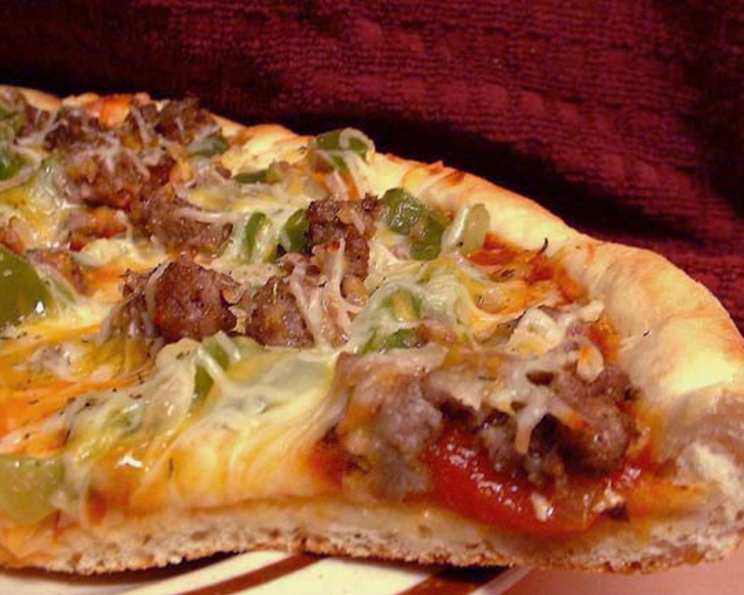
Simple Roman Pizza Dough: A Culinary Journey
My earliest memories of pizza involve standing on a stool in my grandmother’s kitchen, mesmerized as she stretched and twirled the dough with effortless grace. The aroma of yeast and warm flour filled the air, a comforting scent that signaled a delicious feast to come. This simple Roman pizza dough recipe, while adapted for modern convenience, evokes those cherished moments and delivers a wonderfully crisp and flavorful crust that rivals even the best pizzerias. It’s a little piece of Italy, right in your own kitchen.
Recipe Overview
- Prep Time: 30 minutes (plus overnight refrigeration)
- Cook Time: 10-15 minutes
- Total Time: 24 hours 45 minutes (includes proofing time)
- Servings: 6
- Yield: 6 pizza crusts
- Dietary Type: Vegan
Ingredients
- 1 3/4 cups lukewarm water, plus 2 tablespoons lukewarm water
- 3 1/4 teaspoons kosher salt
- 5 cups unbleached flour
- 1/4 cup semolina flour
- 1 1/2 teaspoons bread machine yeast
- Olive oil, for coating
Equipment Needed
- Bread machine
- Large bowl
- Measuring cups and spoons
- Kitchen scale (optional)
- Pizza stone (optional)
- Rolling pin
Instructions
-
Begin by preparing your bread machine. Set it to the dough setting for a 1 lb loaf. This will handle the kneading and initial proofing for you.
-
Add the ingredients to the bread machine pan in the order specified: first the 1 3/4 cups plus 2 tablespoons of lukewarm water, then the 3 1/4 teaspoons of kosher salt, followed by the 5 cups of unbleached flour, 1/4 cup of semolina flour, and finally, the 1 1/2 teaspoons of bread machine yeast. This order helps the yeast activate properly.
-
Start the bread machine and allow it to complete the dough cycle. This usually takes around 1.5 to 2 hours, depending on your machine.
-
Once the dough cycle is complete, carefully transfer the dough from the bread machine to a lightly floured counter. Gently form the dough into a smooth ball.
-
Prepare a large bowl by coating it generously with olive oil. Place the dough ball in the bowl, and then roll it around to ensure it is completely coated with the olive oil. This prevents the dough from drying out and sticking to the bowl.
-
Let the dough sit at room temperature for 30 minutes. This allows the gluten to relax slightly, making it easier to handle later. Cover the bowl tightly with plastic wrap or a damp kitchen towel and place it in the refrigerator overnight (or up to 24 hours). This slow, cold fermentation develops a deeper, more complex flavor in the dough.
-
The next day, remove the dough from the refrigerator. Divide the dough into 6 equal balls. For the most consistent results, use a kitchen scale to weigh the dough and divide it accordingly. If you don’t have a scale, you can simply eyeball it. Be careful not to overwork the dough during this step.
-
Gently rub each dough ball with olive oil. This will keep them moist and prevent them from sticking together.
-
If you don’t plan to use all the dough balls on the same day, place each ball in an individual freezer bag. You can refrigerate them for up to 2 days or freeze them for up to 3 months.
-
Before making your pizzas, allow the dough to sit at room temperature for 2 hours. This allows the dough to warm up and become more pliable, making it easier to roll and stretch.
-
When you’re ready to assemble your pizzas, preheat your oven to 425°F (220°C). If you have a pizza stone, sprinkle it generously with semolina flour and place it in the oven as it heats up. The hot stone will help create a crispy crust.
-
On a floured surface, roll out each dough ball with a rolling pin. You can also use your hands to gently stretch and shape the dough to your desired thickness and size. A thinner crust is characteristic of Roman-style pizza.
-
Once the dough is shaped, lightly coat it with olive oil to prevent it from soaking up too much sauce.
-
Top with your favorite sauce and ingredients. Since this dough is thin, it’s best to keep the toppings relatively light. I recommend sticking to just one or two toppings to prevent the crust from becoming soggy.
-
Bake for 10 minutes. Then, top with shredded provolone or mozzarella cheese.
-
Bake for another 5 minutes, or until the bottom of the crust is lightly brown and the cheese is melted and bubbly.
-
Remove from the oven, let cool slightly, slice, and serve immediately.
Expert Tips & Tricks
- Cold Fermentation is Key: Don’t skip the overnight refrigeration. This slow fermentation is crucial for developing the complex flavor and airy texture of the dough.
- Semolina Secret: Sprinkling semolina flour on your pizza stone or baking sheet prevents the dough from sticking and adds a delightful crunch to the bottom crust.
- Gentle Handling: Avoid overworking the dough, especially when dividing it into balls. Overworking the dough can result in a tough, dense crust.
- Preheat Power: Make sure your oven and pizza stone (if using) are fully preheated before baking. This ensures a crispy, evenly cooked crust.
- Thin is In: Remember, this is Roman-style pizza, so aim for a thin and crispy crust. Don’t be afraid to stretch the dough thin!
- Consider using a pizza peel to transfer your pizza to the hot stone in the oven easily.
Serving & Storage Suggestions
Serve your freshly baked Roman pizza immediately for the best taste and texture. It’s delicious on its own or paired with a simple salad and a glass of Italian wine.
Leftover pizza can be stored in the refrigerator for up to 3 days. To reheat, warm it in a preheated oven at 350°F (175°C) for a few minutes until heated through. You can also reheat it in a skillet on the stovetop for a crispy crust. Freezing is not recommended after baking, as the texture of the crust may change.
Unbaked dough balls can be stored in the refrigerator for up to 2 days or in the freezer for up to 3 months. Thaw frozen dough in the refrigerator overnight before using.
Nutritional Information
Note: Nutritional information is an estimate and may vary based on specific ingredients and portion sizes.
| Nutrient | Amount per Serving | % Daily Value |
|---|---|---|
| Calories | 340 kcal | 17% |
| Total Fat | 2g | 3% |
| Saturated Fat | 0.5g | 3% |
| Cholesterol | 0mg | 0% |
| Sodium | 750mg | 31% |
| Total Carbohydrate | 68g | 23% |
| Dietary Fiber | 3g | 12% |
| Sugars | 1g | 2% |
| Protein | 10g | 20% |
Variations & Substitutions
- Gluten-Free Crust: Substitute the unbleached flour with a gluten-free pizza flour blend. You may need to adjust the amount of water slightly to achieve the right consistency.
- Whole Wheat Crust: Replace up to half of the unbleached flour with whole wheat flour for a nuttier flavor and added fiber.
- Herb Infusion: Add dried herbs like oregano, basil, or rosemary to the dough for extra flavor.
- Garlic Delight: Mix minced garlic into the dough for a savory kick.
- Spicy Kick: Add a pinch of red pepper flakes to the dough for a subtle heat.
FAQs (Frequently Asked Questions)
Q: Can I make this dough without a bread machine?
A: Yes, you can! Combine all the ingredients in a large bowl and knead for 8-10 minutes until smooth and elastic. Then, follow the remaining instructions for proofing and baking.
Q: Why is my dough so sticky?
A: The amount of flour needed can vary depending on humidity. Add a tablespoon of flour at a time until the dough is smooth and slightly tacky, but not overly sticky.
Q: Can I use active dry yeast instead of bread machine yeast?
A: Yes, you can. Dissolve the active dry yeast in the lukewarm water for 5-10 minutes before adding the other ingredients.
Q: How do I prevent my pizza crust from becoming soggy?
A: Lightly coat the dough with olive oil before adding toppings, and avoid using too much sauce or wet ingredients. Baking on a preheated pizza stone also helps create a crispy crust.
Q: Can I make the dough ahead of time and freeze it?
A: Yes, you can freeze the dough balls for up to 3 months. Thaw them in the refrigerator overnight before using.
Final Thoughts
This Simple Roman Pizza Dough recipe is a delightful journey into the heart of Italian cuisine, bringing the authentic flavors and textures of traditional pizza to your home kitchen. Don’t be intimidated by the overnight rest – it’s the secret ingredient that unlocks a world of flavor and a crispy, airy crust that will have everyone begging for more. Gather your favorite toppings, invite some friends over, and embark on a pizza-making adventure. I encourage you to experiment with different variations and share your creations with loved ones. Buon appetito!