
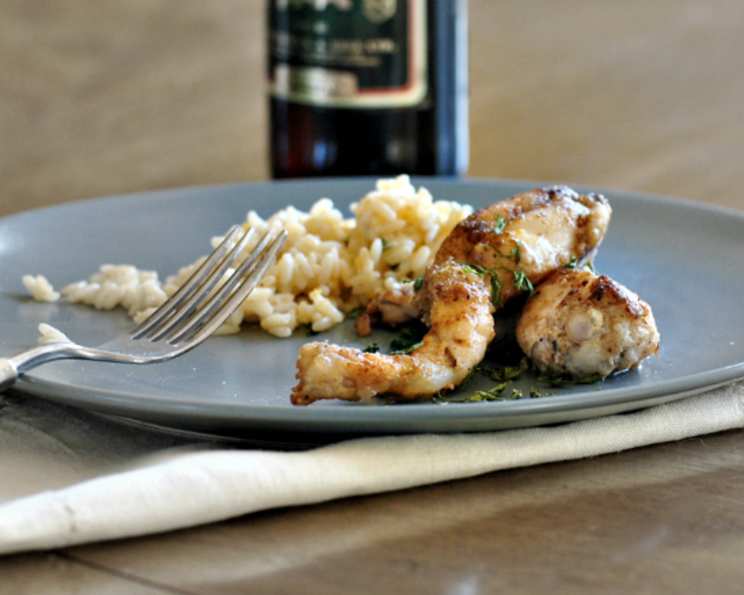
Simple Sauteed Frog’s Legs
The crackle of butter in a hot pan always brings me back to my childhood. I remember standing next to my grandmother, her apron dusted with flour, as she prepared frog’s legs in her cast iron skillet. The aroma of sizzling butter and lightly seasoned frog legs filled her tiny kitchen, a scent I can still conjure up in an instant. It wasn’t fancy, just simple, honest cooking, and it’s a taste that has remained with me through the years.
Recipe Overview
- Prep Time: 1 hour 5 minutes
- Cook Time: Varies
- Total Time: Varies
- Servings: Varies
- Yield: Varies
- Dietary Type: Pescatarian
Ingredients
- Fresh frog’s legs (large or small), quantity depending on desired servings.
- Milk, as needed for soaking.
- Salt, to taste.
- Pepper, to taste.
- Flour, as needed for coating.
- Butter, 5-6 tablespoons.
Equipment Needed
- Large bowl or container for soaking.
- Skillet (preferably cast iron).
- Tongs or spatula for turning.
- Paper towels.
Instructions
- Begin by preparing the frog’s legs for soaking. Place them in a large bowl or container.
- Pour milk over the frog’s legs until they are fully submerged.
- Allow the frog’s legs to soak in the milk for 1 hour, turning them every 15 minutes to ensure even soaking. This helps to tenderize the meat and remove any unwanted flavors.
- After soaking, remove the frog’s legs from the milk and pat them dry with paper towels. This is crucial for achieving a good sear.
- Season the frog’s legs lightly with salt and pepper to taste. Be mindful not to over-salt, as the butter will also contribute to the overall saltiness.
- Place flour in a shallow dish or plate. Dredge each frog’s leg in the flour, ensuring they are evenly coated on all sides. Shake off any excess flour to prevent it from burning in the skillet.
- Place the skillet over medium-high heat. Add the butter and allow it to melt completely. Continue heating until the butter begins to sizzle gently. Be careful not to let the butter burn, as this will impart a bitter flavor to the frog’s legs.
- Carefully place the flour-coated frog’s legs into the hot skillet. Do not overcrowd the pan; work in batches if necessary to maintain even cooking.
- Sauté the frog’s legs uncovered, turning them as needed to ensure they brown evenly on both sides. The cooking time will vary depending on the size of the frog’s legs, but generally, they should be golden brown on both sides.
- Use a meat thermometer and insert it into the thickest part of the legs; the internal temperature should reach 165°F (74°C) to ensure they are cooked through. The cooking time is approximately 5 to 8 minutes per side, but this depends on the size and thickness of the legs.
- Once the frog’s legs are golden brown and cooked through, remove them from the skillet and place them on a plate lined with paper towels to drain any excess butter.
Expert Tips & Tricks
- For extra flavor, consider adding a clove of minced garlic or a sprig of fresh thyme to the skillet while the butter is melting. Remove them before adding the frog’s legs to prevent burning.
- A squeeze of fresh lemon juice over the cooked frog’s legs can brighten the flavor and add a touch of acidity.
- To ensure even cooking, use a heavy-bottomed skillet that distributes heat evenly. Cast iron is an excellent choice.
- If the butter starts to brown too quickly, reduce the heat slightly to prevent burning.
- If you’re using frozen frog’s legs, make sure to thaw them completely before soaking them in milk.
- Don’t be afraid to experiment with different seasonings. A pinch of paprika or a dash of cayenne pepper can add a subtle kick.
Serving & Storage Suggestions
Serve the sautéed frog’s legs immediately while they are hot and crispy. They are delicious as an appetizer or as a main course with a side of rice pilaf, roasted vegetables, or a simple salad.
Leftover frog’s legs can be stored in an airtight container in the refrigerator for up to 2-3 days. To reheat, gently warm them in a skillet over low heat or bake them in a preheated oven at 350°F (175°C) until heated through. Avoid microwaving, as this can make them rubbery.
Nutritional Information
Nutritional information is an estimate and can vary based on specific ingredients and portion sizes.
| Nutrient | Amount per Serving | % Daily Value |
|---|---|---|
| Calories | 509 kcal | N/A |
| Total Fat | 57.6 g | 88% |
| Saturated Fat | 36.5 g | 182% |
| Cholesterol | 152.7 mg | 50% |
| Sodium | 506.9 mg | 21% |
| Total Carbohydrate | 0 g | 0% |
| Dietary Fiber | 0 g | 0% |
| Sugars | 0 g | 0% |
| Protein | 0.6 g | 1% |
Variations & Substitutions
- Garlic Herb Butter: Infuse the butter with minced garlic, chopped parsley, and thyme for an aromatic twist.
- Spicy Frog’s Legs: Add a pinch of cayenne pepper or a dash of hot sauce to the flour mixture for a spicy kick.
- Wine Sauce: Deglaze the skillet with white wine after cooking the frog’s legs and reduce to create a flavorful sauce.
- Gluten-Free: Substitute the all-purpose flour with a gluten-free flour blend for a gluten-free option.
- Lemon Butter Sauce: Finish with a squeeze of lemon juice and a knob of fresh butter.
FAQs (Frequently Asked Questions)
Q: Why soak the frog’s legs in milk?
A: Soaking the frog’s legs in milk helps to tenderize the meat and remove any potentially strong or gamey flavors, resulting in a more delicate taste.
Q: How do I know when the frog’s legs are cooked through?
A: The frog’s legs are cooked through when they are golden brown on both sides and the internal temperature reaches 165°F (74°C). The meat should be opaque and easily pulled apart with a fork.
Q: Can I use olive oil instead of butter?
A: While butter provides a richer flavor, olive oil can be used as a substitute. However, be mindful of the smoke point of olive oil and avoid overheating it.
Q: What is the best way to store leftover frog’s legs?
A: Store leftover frog’s legs in an airtight container in the refrigerator for up to 2-3 days.
Q: Can I freeze cooked frog’s legs?
A: While freezing is possible, it’s not recommended as it can affect the texture of the meat. If you must freeze them, wrap them tightly in plastic wrap and then in foil before freezing.
Final Thoughts
These Simple Sauteed Frog’s Legs are a testament to the beauty of uncomplicated cooking. With just a handful of ingredients and a little bit of patience, you can create a dish that is both delicious and memorable. Don’t be intimidated by the unconventional ingredient; embrace the simplicity and enjoy the unique flavors. I encourage you to try this recipe and share your own experiences with this classic dish. Perhaps pair it with a crisp white wine for a truly delightful culinary experience.