
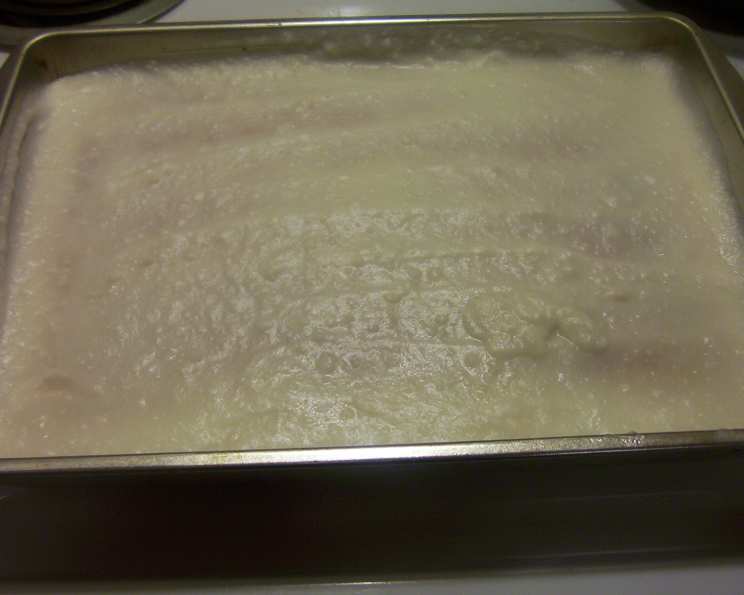
Simple White Cake: A Classic Delight
The aroma of vanilla and warm butter, a delicate sweetness that fills the kitchen… baking a white cake always transports me back to my childhood. I remember standing on a stool next to my grandmother, watching in fascination as she transformed simple ingredients into a fluffy, celebratory dessert. That first bite – the soft crumb, the subtle flavor – remains a cherished memory, a taste of pure, unadulterated joy. This simple white cake is my homage to those precious moments, a recipe I turn to whenever I want to share a little slice of happiness.
Recipe Overview
- Prep Time: 15 minutes
- Cook Time: 30-40 minutes (20-25 minutes for cupcakes)
- Total Time: 45-55 minutes
- Servings: 12
- Yield: 1 9×9 inch cake or 12 cupcakes
- Dietary Type: Vegetarian
Ingredients
- 1 cup white sugar
- ½ cup (1 stick) butter, softened
- 2 eggs
- 2 teaspoons vanilla extract
- 1 ½ cups all-purpose flour
- 1 ¾ teaspoons baking powder
- ½ cup milk (Note: Using 1 cup milk less 4 tablespoons can result in a more moist cake)
Equipment Needed
- 9×9 inch baking pan or muffin pan
- Mixing bowls
- Electric mixer or whisk
- Measuring cups and spoons
- Rubber spatula
- Oven
Instructions
-
Begin by preheating your oven to 350°F (175°C). This is crucial for even baking.
-
Prepare your baking pan. Grease a 9×9 inch pan thoroughly with butter or cooking spray to prevent sticking. Then, flour the pan by dusting it with a light coating of flour and tapping out any excess. Alternatively, you can line a muffin pan with paper liners if you’re making cupcakes.
-
In a medium bowl, cream together the sugar and softened butter using an electric mixer or a sturdy whisk. This step is essential for creating a light and airy cake. Continue mixing until the mixture is light and fluffy.
-
Beat in the eggs, one at a time, ensuring each egg is fully incorporated before adding the next. Then, stir in the vanilla extract. The vanilla enhances the cake’s overall flavor.
-
In a separate bowl, combine the all-purpose flour and baking powder. This ensures the baking powder is evenly distributed throughout the flour, which is vital for a consistent rise.
-
Add the flour mixture to the creamed mixture gradually, mixing well after each addition. Be careful not to overmix, as this can lead to a tough cake.
-
Stir in the milk until the batter is smooth and well combined. If you desire an even more moist cake, you can experiment with using 1 cup of milk less 4 tablespoons.
-
Pour or spoon the batter into the prepared pan or muffin liners, filling each about two-thirds full.
-
Bake for 30 to 40 minutes for a cake in the preheated oven. For cupcakes, bake for 20 to 25 minutes.
-
Check for doneness. The cake is done when it springs back to the touch when lightly pressed in the center. You can also insert a toothpick into the center; if it comes out clean or with just a few moist crumbs attached, the cake is ready.
-
Allow the cake or cupcakes to cool in the pan for about 10 minutes before inverting them onto a wire rack to cool completely. This prevents them from sticking to the pan.
Expert Tips & Tricks
- Softened Butter is Key: Ensure your butter is truly softened before creaming it with the sugar. Cold butter won’t incorporate properly, and melted butter will result in a greasy cake. The ideal consistency is when you can easily make an indent with your finger.
- Measure Accurately: Baking is a science, so precise measurements are crucial for success. Use measuring cups and spoons designed for baking, and level off dry ingredients with a knife.
- Room Temperature Eggs: Using eggs at room temperature can help them emulsify better into the batter, resulting in a smoother and more uniform cake.
- Don’t Overmix: Overmixing develops the gluten in the flour, leading to a tough cake. Mix just until the ingredients are combined.
- Oven Temperature: Ovens can vary in temperature. If your cake is browning too quickly, lower the oven temperature by 25 degrees.
- Even Baking: To ensure even baking, rotate the cake halfway through the baking time.
- Frosting Tips: For a smooth frosting, use a warm offset spatula. Chill the cake slightly before frosting to help the frosting adhere better.
Serving & Storage Suggestions
This simple white cake is incredibly versatile and can be served in many ways. For a classic presentation, frost it with your favorite frosting – whipped cream, buttercream, cream cheese frosting, or even a simple glaze all work beautifully. Decorate with sprinkles, fresh berries, or a dusting of powdered sugar. As mentioned earlier, vanilla ice cream between layers will bring the cake to a new level.
Store leftover cake in an airtight container at room temperature for up to 3 days or in the refrigerator for up to a week. You can also freeze the cake for up to 2 months. Wrap it tightly in plastic wrap and then in foil to prevent freezer burn. Thaw overnight in the refrigerator before serving.
Nutritional Information
Please note that nutritional information is an estimate and can vary based on specific ingredients and portion sizes.
| Nutrient | Amount per Serving | % Daily Value |
|---|---|---|
| Calories | 210 kcal | 11% |
| Total Fat | 9g | 12% |
| Saturated Fat | 5g | 25% |
| Cholesterol | 57mg | 19% |
| Sodium | 125mg | 5% |
| Total Carbohydrate | 29g | 11% |
| Dietary Fiber | 0g | 0% |
| Sugars | 17g | |
| Protein | 3g | 6% |
Variations & Substitutions
- Lemon White Cake: Add the zest of one lemon to the batter for a bright, citrusy flavor.
- Almond White Cake: Substitute almond extract for the vanilla extract for a nutty twist. You can also add a handful of sliced almonds to the batter.
- Spice Cake: Add a teaspoon of cinnamon, nutmeg, or cardamom to the batter for a warm, spiced flavor.
- Dairy-Free: Replace the butter with a dairy-free butter substitute and the milk with almond milk, soy milk, or oat milk.
- Gluten-Free: Use a gluten-free all-purpose flour blend. You may need to add a binding agent like xanthan gum to help hold the cake together.
FAQs (Frequently Asked Questions)
Q: Can I use self-rising flour instead of all-purpose flour and baking powder?
A: No, self-rising flour already contains baking powder and salt. Using it in this recipe will result in a cake that rises too much and then collapses.
Q: My cake is dry. What did I do wrong?
A: Overbaking is the most common cause of dry cake. Make sure to check for doneness using the toothpick test and avoid baking for longer than necessary. Also, ensure your oven temperature is accurate.
Q: Can I make this cake ahead of time?
A: Yes, you can bake the cake a day or two in advance. Wrap it tightly in plastic wrap and store it at room temperature or in the refrigerator. Frost it just before serving.
Q: Can I halve the recipe?
A: Yes, you can halve the recipe to make a smaller cake. Use a smaller baking pan and reduce the baking time accordingly.
Q: What is the best frosting for this cake?
A: This cake is incredibly versatile, so you can use any frosting you like! Cream cheese frosting, vanilla buttercream, chocolate buttercream, or even a simple glaze all work well.
Final Thoughts
This Simple White Cake recipe is more than just a set of instructions; it’s an invitation to create memories, to share joy, and to experience the simple pleasure of baking. Don’t be afraid to experiment with different flavor variations or frostings to make it your own. I encourage you to try this recipe and share your creations with loved ones. And I’d love to hear your feedback – what did you think of the cake? What variations did you try? Happy baking!