
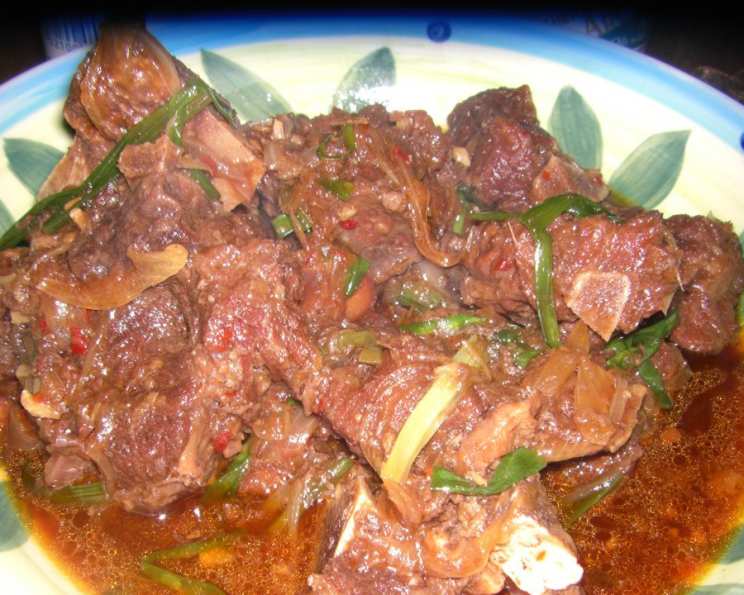
Simplest Korean Beef Stew: A Taste of Home
The aroma of Korean beef stew, even now, instantly transports me back to my grandmother’s kitchen. I remember the way steam would cloud the windows as she hummed a quiet melody, stirring a bubbling pot on the stove. The rich, savory scent – a blend of soy, garlic, and beef – promised a warmth that went beyond just the food. This simple stew, a staple in our family, wasn’t just sustenance; it was a tangible expression of love, comfort, and a connection to our heritage. It’s a taste of home I carry with me, and I’m thrilled to share this incredibly easy version with you.
Recipe Overview
- Prep Time: 15 minutes
- Cook Time: 1 hour 10 minutes
- Total Time: 1 hour 25 minutes
- Servings: 8
- Yield: About 8 cups
- Dietary Type: Adaptable (see variations)
Ingredients
- 2 tablespoons olive oil
- 1 kg beef short ribs
- 1 head garlic, head crushed
- 1 large onion, sliced
- 2 tablespoons gingerroot, julienned
- ½ cup soy sauce, Kikoman brand
- 1 tablespoon sugar
- 1 tablespoon Chinese wine
- 1 teaspoon sesame oil
- 1 tablespoon chili-garlic sauce, Lee Kum Kee brand
- 3 ½ cups hot water
- 2 tablespoons sesame seeds, toasted
- 1 bunch leek, chopped to 2 inches
Equipment Needed
- Large casserole dish or Dutch oven
Instructions
- Heat the olive oil in a large casserole dish or Dutch oven over medium-high heat.
- Add the julienned gingerroot to the hot oil and sauté for about 30 seconds, until fragrant.
- Add the sliced onion to the pot and cook until softened, about 5-7 minutes.
- Stir in the crushed garlic and cook for another minute, until fragrant, being careful not to burn it.
- Add the beef short ribs to the pot and stir-fry until the beef changes color on all sides, searing it nicely. This typically takes about 5-7 minutes.
- In a separate large bowl, combine the soy sauce, sugar, Chinese wine, sesame oil, chili-garlic sauce, and hot water. Mix thoroughly until the sugar is completely dissolved.
- Pour the sauce mixture over the beef short ribs in the casserole dish.
- Bring the mixture to a simmer, then reduce the heat to low, cover the pot, and let it simmer for 1 hour to 1 ½ hours, or until the beef is tender and easily pulls away from the bone. Be sure to check occasionally and add more water if needed to keep the beef submerged. The cooking time will depend on the size and cut of your short ribs.
- During the last 10 minutes of cooking, stir in the toasted sesame seeds and chopped leeks.
- Stir and continue to simmer uncovered for the remaining 10 minutes.
Expert Tips & Tricks
- Browning the Beef: Don’t overcrowd the pot when browning the beef. Brown the short ribs in batches if necessary to ensure a good sear on all sides. This step is crucial for developing deep, rich flavor.
- Adjusting Sweetness and Spice: Taste the stew near the end of the cooking time and adjust the sweetness and spice levels to your preference. Add a little more sugar for sweetness or chili-garlic sauce for extra heat.
- Degreasing the Stew: As the stew simmers, some fat will render out of the beef. If you prefer a less fatty stew, you can skim the excess fat from the surface of the stew using a spoon or ladle before serving.
- Make Ahead: This stew is excellent made ahead of time. In fact, the flavors meld together even more beautifully after a day or two in the refrigerator.
- Tenderizing Tough Cuts: If your short ribs are particularly tough, consider adding a small amount of grated pear or apple to the stew. The enzymes in these fruits can help tenderize the meat.
- Slow Cooker Adaptation: This recipe can easily be adapted for a slow cooker. Simply brown the beef as instructed, then transfer all ingredients to a slow cooker. Cook on low for 6-8 hours, or on high for 3-4 hours, until the beef is tender.
Serving & Storage Suggestions
Serve this delicious Korean beef stew hot, preferably over a bed of fluffy, steamed white rice. Garnish with extra toasted sesame seeds and a sprinkle of chopped green onions for added visual appeal and flavor. It’s also fantastic served with a side of kimchi or other Korean banchan (side dishes).
Leftovers can be stored in an airtight container in the refrigerator for up to 3-4 days. For longer storage, you can freeze the stew for up to 2-3 months. Thaw it overnight in the refrigerator before reheating.
To reheat, gently warm the stew in a saucepan over medium heat until heated through. You may need to add a splash of water or broth if the stew has thickened too much during storage. Alternatively, you can reheat the stew in the microwave.
Nutritional Information
Note: Nutritional information is an estimate and may vary based on specific ingredients and portion sizes.
| Nutrient | Amount per Serving | % Daily Value |
|---|---|---|
| Calories | 570 kcal | N/A |
| Total Fat | 50 g | 77% |
| Saturated Fat | 20 g | 102% |
| Cholesterol | 95 mg | 31% |
| Sodium | 1072 mg | 44% |
| Total Carbohydrate | 8 g | 3% |
| Dietary Fiber | 1 g | 4% |
| Sugars | 3 g | N/A |
| Protein | 21 g | 42% |
Variations & Substitutions
- Spicy Version: For a spicier stew, add more chili-garlic sauce or a pinch of gochugaru (Korean chili powder).
- Vegetable Boost: Add diced carrots, potatoes, or mushrooms to the stew for extra vegetables. Add them about halfway through the cooking time to ensure they are tender but not mushy.
- Gluten-Free: Use tamari instead of soy sauce to make this stew gluten-free.
- Beef Broth: Substitute some of the hot water with beef broth for a richer, more intense flavor.
- Protein Swap: While this recipe calls for beef short ribs, you can substitute other cuts of beef, such as chuck roast or brisket. Keep in mind that the cooking time may need to be adjusted depending on the cut of beef used.
FAQs (Frequently Asked Questions)
Q: Can I use a different brand of chili-garlic sauce?
A: While Lee Kum Kee is recommended for its authentic flavor, you can use other brands of chili-garlic sauce. Be aware that the spice level may vary between brands, so adjust accordingly.
Q: Can I make this stew without Chinese wine?
A: Yes, you can omit the Chinese wine if you don’t have it on hand. You can substitute it with a tablespoon of dry sherry or cooking sake.
Q: How do I know when the beef is done?
A: The beef is done when it is very tender and easily pulls away from the bone with a fork. The cooking time will depend on the size and cut of your short ribs.
Q: Can I add other vegetables to this stew?
A: Absolutely! Diced carrots, potatoes, and mushrooms are all great additions to this stew. Add them about halfway through the cooking time to ensure they are tender but not mushy.
Q: Can I freeze this stew?
A: Yes, this stew freezes very well. Allow it to cool completely before transferring it to an airtight container or freezer bag. It can be frozen for up to 2-3 months.
Final Thoughts
This Simplest Korean Beef Stew is more than just a recipe; it’s an invitation to experience a taste of comfort and tradition. With minimal effort, you can create a dish that’s deeply flavorful, incredibly satisfying, and perfect for sharing with loved ones. So gather your ingredients, put on some music, and let the aroma of this stew fill your kitchen with warmth and joy. Don’t hesitate to experiment with variations and make it your own. And please, share your creations and feedback – I’d love to hear about your culinary adventures! Consider pairing this stew with a crisp, dry white wine or a refreshing Korean beer for the ultimate dining experience. Enjoy!