
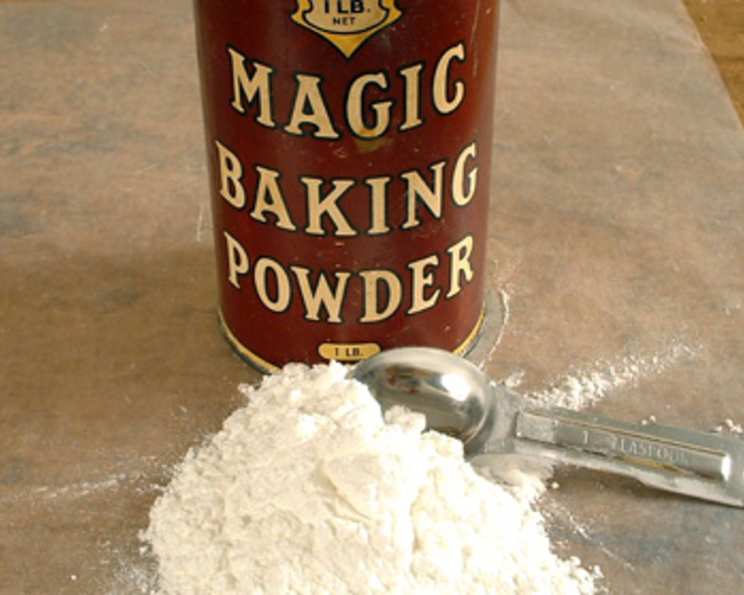
Mastering the Art of Homemade Single-Acting Baking Powder
The aroma of freshly baked biscuits always takes me back to my grandmother’s kitchen. She had a special knack for making the fluffiest, most tender biscuits imaginable, and her secret wasn’t just the recipe – it was the baking powder. Commercial baking powder was often unreliable, she claimed, and nothing beat the consistent lift of her homemade blend. I remember watching, fascinated, as she carefully measured and mixed the ingredients, a cloud of fine powder puffing into the air, the foundation for a culinary memory that lasts a lifetime.
Recipe Overview: Homemade Single-Acting Baking Powder
- Prep Time: 5 minutes
- Total Time: 5 minutes
- Servings: 60
Ingredients: The Foundation of Fluffy Bakes
- 4 tablespoons cream of tartar
- 3 tablespoons cornstarch
- 2 tablespoons baking soda
Equipment Needed: Keep it Simple
- Mixing bowl
- Whisk
- Small jar (for storage)
- Parchment paper (optional, for funneling)
Instructions: A Step-by-Step Guide
-
In a mixing bowl, combine the cream of tartar, cornstarch, and baking soda.
-
Using a whisk, thoroughly blend the ingredients together. Ensure there are no lumps and that the mixture is uniform in color and texture. This is crucial for even distribution in your recipes.
-
Carefully transfer the baking powder mixture to a small, airtight jar or container for storage.
-
(Optional) Create a makeshift funnel by rolling a piece of parchment paper into a cone shape. This can help prevent spills when transferring the mixture to the jar, especially if the jar has a narrow opening.
-
Label the jar with the date you made the baking powder. This is important for tracking its freshness and ensuring optimal leavening power.
-
Store the homemade baking powder in the refrigerator to prolong its shelf life.
Expert Tips & Tricks: Elevate Your Baking Game
-
Whisking is Key: Don’t skimp on the whisking! A well-combined baking powder ensures even leavening throughout your baked goods. Any clumps of baking soda or cream of tartar can result in uneven rise and pockets of concentrated flavor.
-
Cornstarch’s Role: The cornstarch acts as a buffer, preventing the baking soda and cream of tartar from reacting prematurely and also absorbs moisture to keep the mixture dry. Don’t omit it!
-
Freshness Matters: Single-acting baking powder is most effective when fresh. While this recipe can last for three months in the refrigerator, its potency will gradually decrease over time. Consider making smaller batches more frequently to ensure optimal results.
-
Testing for Potency: If you’re unsure about the freshness of your baking powder, you can test its potency. Mix a small amount (about 1/2 teaspoon) with 1/4 cup of hot water. If it fizzes vigorously, it’s still good to use. If there’s little to no fizz, it’s time to make a fresh batch.
-
Humidity Control: Moisture is the enemy of baking powder. Always use a clean, dry spoon when measuring it out, and ensure the jar is tightly sealed after each use. Consider adding a desiccant packet (like those found in vitamin bottles) to the jar to absorb any excess moisture.
Serving & Storage Suggestions: Maintaining Quality
-
Homemade single-acting baking powder is a one-to-one substitute for commercial baking powder in any recipe.
-
Store this baking powder in the refrigerator to prolong its shelf life. While it can technically last up to three months, its potency will diminish over time.
-
Always use a dry spoon to measure the baking powder to prevent moisture from contaminating the mixture.
-
Ensure the jar is tightly sealed after each use to maintain freshness and prevent clumping.
Nutritional Information: Minimal Impact
| Nutrient | Amount per Serving | % Daily Value |
|---|---|---|
| Calories | ~3 kcal | 0% |
| Total Fat | 0g | 0% |
| Saturated Fat | 0g | 0% |
| Cholesterol | 0mg | 0% |
| Sodium | ~126mg | 5% |
| Total Carbohydrate | ~1g | 0% |
| Dietary Fiber | 0g | 0% |
| Sugars | 0g | 0% |
| Protein | 0g | 0% |
Note: Nutritional information is an estimate and may vary depending on specific ingredient brands and measurements. Serving size is based on a small amount used per recipe.
Variations & Substitutions: Adapt and Customize
-
Double-Acting Baking Powder: This recipe creates single-acting baking powder, which releases its gas upon mixing. To create a version of double-acting baking powder, you would need different ingredients (namely sodium acid pyrophosphate) and the ratios would be different; this is beyond the scope of this recipe for single-acting powder.
-
Cornstarch Alternatives: While cornstarch is the most common choice, you can use arrowroot powder or tapioca starch as a substitute if you have a corn allergy or preference. However, be aware that these substitutes may slightly alter the texture of your baked goods.
-
Adjusting for High Altitude: At higher altitudes, baking powder can sometimes cause baked goods to rise too quickly and then collapse. To compensate, you can slightly reduce the amount of baking powder used in your recipes. Experiment with reducing it by 1/4 teaspoon at a time until you achieve the desired results.
FAQs (Frequently Asked Questions): Addressing Common Queries
Q: How long does this homemade baking powder last?
A: While it can last up to three months in the refrigerator, it’s best to use it within a month or two for optimal leavening power. The potency will gradually decrease over time.
Q: Can I use this baking powder in any recipe that calls for baking powder?
A: Yes, this homemade single-acting baking powder can be used as a one-to-one substitute for commercial baking powder in any recipe.
Q: Why is it important to store this baking powder in the refrigerator?
A: Refrigeration helps to slow down the reaction between the baking soda and cream of tartar, prolonging the shelf life of the baking powder and preventing premature activation.
Q: What if my baking powder clumps up?
A: Clumping indicates that the baking powder has absorbed moisture. You can try to break up the clumps with a fork, but if the clumping is severe, it’s best to discard the batch and make a fresh one.
Q: Is there a difference between single-acting and double-acting baking powder?
A: Yes, single-acting baking powder releases its gas upon mixing, while double-acting baking powder releases some gas upon mixing and the rest when heated. This recipe creates single-acting baking powder.
Final Thoughts: Embrace the Homemade Difference
Crafting your own single-acting baking powder is a simple yet rewarding way to elevate your baking. It’s a testament to the power of fresh ingredients and a touch of homemade care. This recipe empowers you to create bakes with the perfect rise and consistent results. So, roll up your sleeves, whisk together these simple ingredients, and experience the joy of baking with a personal touch. Experiment with it in your favorite biscuit, muffin, or cake recipes, and discover the difference a little homemade magic can make! And most importantly, I encourage you to share your baking creations with friends and family! Enjoy!