
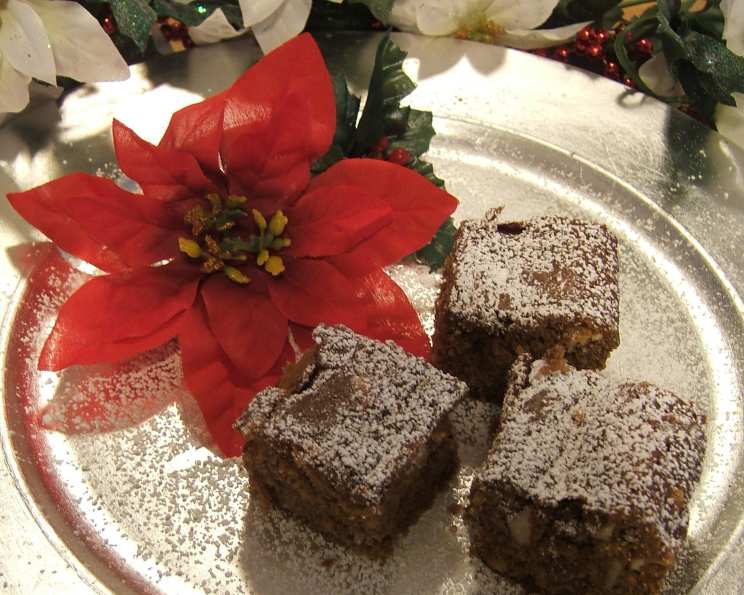
The Sweetest Tradition: Baking Sinterklaas Cake
The aroma of cinnamon, nutmeg, and warm butter always transports me back to my childhood Christmases. While my family celebrated on December 25th, my best friend, Elske, a Dutch immigrant, would light up every December 5th for Sinterklaas. Her home would fill with the scent of this very cake, a rich and comforting presence amidst the excitement of opening gifts and the anticipation of Santa’s arrival later in the month. It was more than just a dessert; it was a tangible connection to her heritage, a taste of home that she eagerly shared. Now, years later, I bake this Sinterklaas cake not just for its delicious flavor, but to honor my dear friend and the warmth of her traditions.
Recipe Overview
- Prep Time: 20 minutes
- Cook Time: 30 minutes
- Total Time: 50 minutes
- Yields: 18 squares
- Dietary Type: Not specified
Ingredients
- 1 lb butter
- 1 lb light brown sugar
- 2 teaspoons baking soda
- 1 cup water
- 4 cups flour
- 1 1/2 tablespoons cinnamon
- 1 teaspoon nutmeg
- 1/4 teaspoon clove
- 1/2 teaspoon salt
- 1/2 teaspoon mace
- 1/2 lb blanched almonds, dried thoroughly and browned in 1 tbsp butter, stirring constantly, then drained
Equipment Needed
- Large mixing bowl
- Sifter
- Baking sheet or brownie pan
- Floured board
- Rolling pin
- Measuring cups and spoons
Instructions
-
Begin by creaming together the butter and light brown sugar in a large mixing bowl until the mixture is light and fluffy. This process is crucial for incorporating air into the dough, resulting in a tender cake.
-
In a separate small bowl, dissolve the baking soda in the water. Ensure the baking soda is fully dissolved to prevent any unpleasant aftertaste and to ensure even rising of the cake.
-
Add the dissolved baking soda mixture to the creamed butter and sugar. Mix until well combined.
-
In another bowl, sift together the flour, cinnamon, nutmeg, clove, salt, and mace. Sifting the dry ingredients ensures that they are evenly distributed and helps to prevent lumps in the final product.
-
Gradually add the sifted dry ingredients to the wet ingredients, mixing until just combined. Be careful not to overmix, as this can lead to a tough cake. The mixture should form a soft dough.
-
Lightly flour a clean, flat surface (a floured board works perfectly). Turn the dough out onto the floured surface.
-
Knead the browned almonds into the dough until they are evenly distributed. Kneading ensures the almonds are integrated and prevents them from all settling on the bottom.
-
Use a rolling pin to roll out the dough to about 1/4 inch thickness. Try to maintain an even thickness to ensure even baking.
-
Carefully transfer the rolled-out dough to a baking sheet or brownie pan. Make sure the pan is either greased or lined with parchment paper to prevent sticking.
-
Bake in a preheated oven at 350°F (175°C) for approximately 30 minutes, or until the cake is golden brown and a toothpick inserted into the center comes out clean. Ovens can vary, so start checking for doneness around 25 minutes.
-
Remove the cake from the oven and let it cool slightly in the pan.
-
While the cake is still slightly warm, cut it into squares. Cutting the cake while it’s still warm prevents it from crumbling and makes for cleaner edges.
-
Allow the squares to cool completely on a wire rack before serving.
Expert Tips & Tricks
- Browning the Almonds: Don’t skip the step of browning the almonds! It intensifies their flavor and adds a nutty depth to the cake. Make sure to stir them constantly while browning to prevent burning.
- Spice Blend: Feel free to adjust the spice blend to your liking. If you prefer a stronger cinnamon flavor, add a bit more. If you’re not a fan of mace, you can leave it out or substitute with a pinch of cardamom.
- Soft Butter is Key: Ensure your butter is properly softened before creaming it with the sugar. This will make the creaming process much easier and result in a smoother dough.
- Prevent Sticking: Line your baking pan with parchment paper with an overhang to easily lift the cake out after baking.
- Make-Ahead Tip: The dry ingredients can be pre-mixed and stored in an airtight container a day or two in advance.
Serving & Storage Suggestions
This Sinterklaas cake is delicious served at room temperature, either as a treat on its own or alongside a cup of coffee or tea. It pairs beautifully with a glass of spiced wine or a rich, dark hot chocolate.
Store leftover cake squares in an airtight container at room temperature for up to 3 days. For longer storage, you can freeze the squares for up to 2 months. Thaw them at room temperature before serving. Reheating is not necessary, but a brief warming in the oven can enhance the flavors.
Nutritional Information
| Nutrient | Amount per Serving | % Daily Value |
|---|---|---|
| Calories | 452.9 kcal | N/A |
| Calories from Fat | 244 g | 54% |
| Total Fat | 27.2 g | 41% |
| Saturated Fat | 13.5 g | 67% |
| Cholesterol | 54.2 mg | 18% |
| Sodium | 364.2 mg | 15% |
| Total Carbohydrate | 48.8 g | 16% |
| Dietary Fiber | 2.4 g | 9% |
| Sugars | 25 g | N/A |
| Protein | 5.9 g | 11% |
Variations & Substitutions
- Gluten-Free: Substitute the all-purpose flour with a gluten-free blend. Ensure the blend contains xanthan gum or another binding agent to provide structure.
- Nut-Free: Replace the almonds with an equal amount of dried cranberries, raisins, or chocolate chips for a nut-free version.
- Vegan: Substitute the butter with a vegan butter alternative and consider using a flax egg (1 tbsp ground flaxseed mixed with 3 tbsp water, let sit for 5 minutes to thicken) to help bind the ingredients.
- Spice It Up: Add a pinch of cayenne pepper for a subtly spicy kick that complements the sweetness.
- Citrus Zest: Grate some orange or lemon zest into the batter for a bright, citrusy note.
FAQs (Frequently Asked Questions)
Q: Can I use almond flour instead of all-purpose flour?
A: While you can substitute some of the all-purpose flour with almond flour for added flavor and moisture, using only almond flour will result in a very different texture. It’s best to stick to the recipe or experiment with a blend.
Q: How do I know when the cake is done?
A: The best way to check for doneness is to insert a toothpick into the center of the cake. If it comes out clean or with only a few moist crumbs attached, the cake is ready.
Q: Can I make this cake ahead of time?
A: Absolutely! This cake can be made a day or two in advance. Simply store it in an airtight container at room temperature until ready to serve.
Q: My cake is too dry. What did I do wrong?
A: Overbaking is the most common cause of dry cake. Be sure to check for doneness frequently and remove the cake from the oven as soon as a toothpick comes out clean.
Q: Can I add a glaze to this cake?
A: While the cake is delicious on its own, you can certainly add a glaze. A simple powdered sugar glaze with a hint of vanilla or almond extract would be a great addition.
Final Thoughts
This Sinterklaas cake is more than just a recipe; it’s an invitation to create memories, share traditions, and savor the simple pleasures of life. The warm spices, the rich buttery flavor, and the satisfying crunch of almonds combine to create a truly irresistible treat. Whether you’re celebrating Sinterklaas or simply looking for a delicious dessert to enjoy, I encourage you to try this recipe and experience the joy it brings. And if you do, please let me know how it turns out – I’d love to hear your stories and variations! Perhaps pair it with some Dutch hot chocolate for the ultimate cozy experience. Happy baking!