
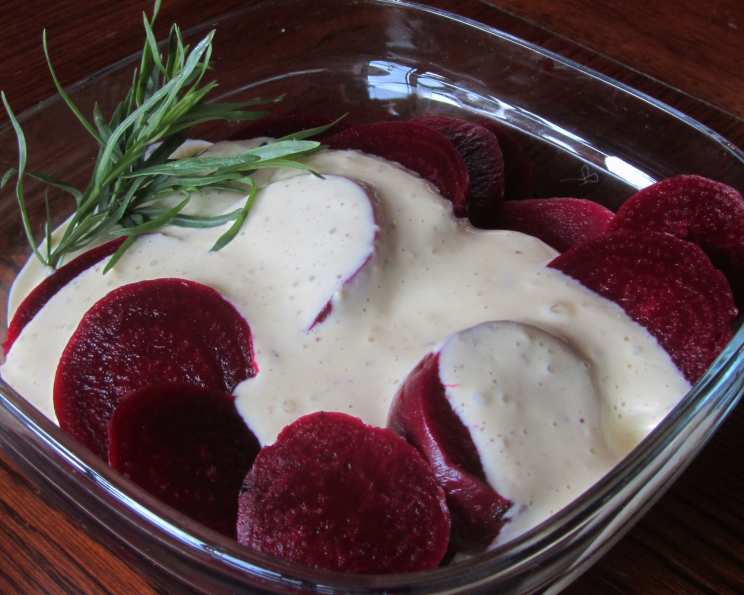
Sir James’s Beetroot Salad: A Culinary Journey Through Time
The first time I encountered beetroot salad was at a small, unassuming pub tucked away in the Cotswolds. Rain lashed against the windows, a fire crackled merrily in the hearth, and the air was thick with the aroma of roasted meats and warm bread. Nestled amongst the more predictable pub fare was a vibrant beetroot salad, the earthy sweetness of the beets offset by a creamy, tangy dressing. It was a revelation, a taste of history that somehow felt utterly modern, and it sparked a lifelong love affair with this often-underappreciated root vegetable. I’ve been chasing that perfect beetroot salad ever since, and Sir James’s recipe comes incredibly close to capturing that initial magical experience.
Recipe Overview
- Prep Time: Unknown
- Cook Time: Varies depending on beets
- Total Time: Varies depending on beets, plus chilling
- Servings: 4
- Yield: About 4 servings
- Dietary Type: Vegetarian (Can be dairy-free if using plant-based cream alternative)
Ingredients
- 2 large beets, cooked
- 2 egg yolks, raw
- ¼ teaspoon English prepared mustard
- ¼ pint olive oil
- ¾ tablespoon chili vinegar
- ¾ tablespoon tarragon vinegar
- ¼ pint whipped cream
- Salt
- Pepper
Equipment Needed
- Large pot for cooking beets
- Mixing bowl
- Whisk or fork
- Knife
- Cutting board
Instructions
- Begin by preparing the mayonnaise-style sauce. In a mixing bowl, thoroughly beat the egg yolks until they are light and slightly frothy. This is a crucial first step for a smooth emulsion.
- Add the mustard, salt, and pepper to the egg yolks. Whisk to combine the ingredients evenly.
- Now for the critical part: slowly drizzle the olive oil into the egg yolk mixture, a drop at a time initially. Whisk vigorously and constantly as you add the oil. This process, known as emulsification, is what will create the creamy base of the sauce. As the mixture thickens, you can gradually increase the rate at which you add the oil, but continue to whisk diligently to prevent separation.
- Once all the olive oil is incorporated and the mixture has emulsified into a thick mayonnaise, slowly drizzle in the chili vinegar and the tarragon vinegar, alternating between the two. Continue to whisk thoroughly as you add the vinegars. This will thin the mayonnaise slightly and add the necessary tang.
- Gently fold in the whipped cream until it is evenly distributed throughout the sauce. Be careful not to overmix, as this can deflate the cream and result in a thinner sauce. The goal is to incorporate the cream while maintaining its airy texture.
- Adjust the seasoning with salt and pepper to taste. Remember that the beets are naturally sweet, so you may need a little extra salt to balance the flavors.
- Keep the sauce cold in the refrigerator until just before serving.
- Just before serving, slice the cooked beets into thin rounds or wedges.
- Arrange the sliced beets on a serving platter or individual plates.
- Pour the sauce over the beets, ensuring they are well coated. Do not mix the beets and sauce together; the sauce should be draped gracefully over the beets.
Expert Tips & Tricks
- For the most flavorful beets, roast them in the oven instead of boiling them. Wrap each beet individually in foil and roast at 375°F (190°C) until tender, usually about 45 minutes to an hour, depending on their size. This concentrates their natural sugars.
- If you’re short on time, you can use pre-cooked beets, but be sure to choose high-quality ones without any added vinegar or preservatives.
- The success of the sauce hinges on the slow addition of the oil. Patience is key! If the sauce starts to separate, try whisking in a tablespoon of ice water to help it come back together.
- To make the whipped cream, chill your bowl and whisk attachment in the freezer for at least 15 minutes before whipping. This will help the cream whip up faster and hold its shape better.
- For a slightly different flavor profile, try adding a pinch of caraway seeds or some finely chopped fresh dill to the sauce.
Serving & Storage Suggestions
Serve Sir James’s Beetroot Salad immediately after assembling to prevent the beets from becoming soggy. It makes an excellent appetizer or side dish, particularly alongside roasted meats, grilled fish, or hearty salads.
Leftover sauce can be stored in an airtight container in the refrigerator for up to 2 days. However, the texture may change slightly. It is best to make only as much sauce as you need for immediate use. The beets, once sliced, are best consumed immediately. If you have leftover sliced beets, store them separately from the sauce in an airtight container in the refrigerator for up to 2 days.
Nutritional Information
| Nutrient | Amount per Serving | % Daily Value |
|---|---|---|
| Calories | 350 kcal (estimated) | 18% |
| Total Fat | 30g (estimated) | 46% |
| Saturated Fat | 6g (estimated) | 30% |
| Cholesterol | 90mg (estimated) | 30% |
| Sodium | 50mg (estimated) | 2% |
| Total Carbohydrate | 5g (estimated) | 2% |
| Dietary Fiber | 1g (estimated) | 4% |
| Sugars | 3g (estimated) | 12% |
| Protein | 2g (estimated) | 4% |
Note: Nutritional information is an estimate and may vary based on specific ingredients and portion sizes.
Variations & Substitutions
- For a dairy-free version, substitute the whipped cream with a plant-based whipped cream alternative, such as coconut cream or cashew cream. Be sure to choose an unsweetened variety.
- To add a bit of crunch, sprinkle some toasted walnuts or pecans over the salad before serving.
- For a more modern twist, try adding a few crumbled goat cheese or feta cheese to the salad.
- If you don’t have chili vinegar, you can substitute it with red wine vinegar and a pinch of chili flakes.
- For a vegan version, you can substitute the egg yolks with aquafaba (the liquid from a can of chickpeas) and increase the amount of mustard. It won’t be exactly the same, but it will still create a creamy emulsion.
FAQs (Frequently Asked Questions)
Q: Can I use a food processor to make the sauce?
A: While a food processor can be used, it’s easy to over-process the sauce and create an undesirable texture. A whisk or fork is recommended for better control.
Q: How can I tell if the beets are cooked through?
A: A fork should easily pierce the center of the beets when they are cooked. The cooking time will vary depending on the size of the beets.
Q: Can I make the sauce ahead of time?
A: Yes, the sauce can be made a few hours in advance and stored in the refrigerator. However, it is best to add the whipped cream just before serving to maintain its texture.
Q: What if my sauce separates?
A: If the sauce separates, try whisking in a tablespoon of ice water to help it come back together. You can also try whisking in another egg yolk.
Q: Can I use different types of vinegar?
A: Yes, you can experiment with different types of vinegar, such as apple cider vinegar or sherry vinegar. However, keep in mind that the flavor profile will change.
Final Thoughts
Sir James’s Beetroot Salad is more than just a recipe; it’s a glimpse into culinary history. The combination of earthy beets, creamy mayonnaise-style sauce, and tangy vinegar creates a symphony of flavors that is both comforting and sophisticated. I encourage you to try this recipe and experience the timeless appeal of this classic dish. Don’t be afraid to experiment with variations and substitutions to make it your own. And if you discover any new and exciting flavor combinations, be sure to share them! Perhaps serve it alongside a classic roast beef for a truly historical feast. Bon appétit!