
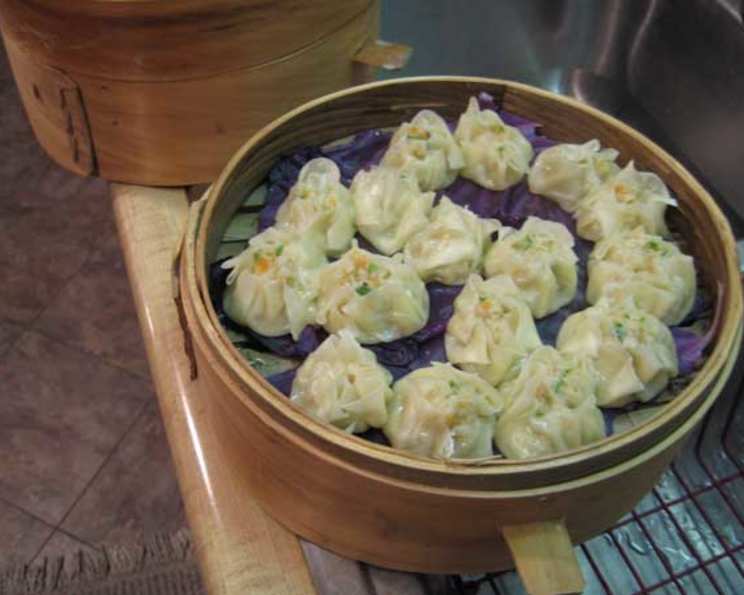
Siu Mai: A Culinary Gem from a Masterclass
The scent of ginger and scallions still lingers in my memory, a fragrant echo of a morning spent in the vibrant kitchen of Chef Joseph Poon. Sunlight streamed through the windows of his Philadelphia restaurant as I, the sole student that day, embarked on a whirlwind dim sum journey. We crafted thirteen different dumplings, each a testament to technique and tradition. Among them, the Siu Mai stood out – a jewel of pork and shrimp, bursting with savory delight. Its open top, beckoning with a vibrant orange dot, promised a taste of pure joy, and it delivered in spades. That day, Siu Mai wasn’t just a dish; it was an edible memory, a connection to a master, and a reminder of the magic that happens when passion meets precision.
Recipe Overview
- Prep Time: 30 minutes
- Cook Time: 15 minutes
- Total Time: 45 minutes
- Servings: 24 dumplings
- Yield: 24 dumplings
- Dietary Type: Not Gluten-Free, Not Dairy-Free
Ingredients
- 8 dried shiitake mushrooms
- 8 ounces fresh shrimp
- 10 ounces ground pork (about 1 1/3 cups)
- 1 teaspoon cornstarch
- 1 teaspoon sesame oil
- 1 teaspoon salt
- 1/2 teaspoon sugar
- 1/2 teaspoon white pepper
- 24 round wonton wrappers, shanghai style
- 1/4 cup minced scallion
- 24 red capers (optional, for garnish)
Equipment Needed
- Small bowl
- Food processor
- Work surface
- 12-inch bamboo steamer
- Cheesecloth or plate
- 14-inch flat-bottomed wok
Instructions
- Begin by rehydrating the dried shiitake mushrooms. In a small bowl, soak the mushrooms in 1/2 cup of cold water for 30 minutes, or until they are softened. This step is crucial as it plumps the mushrooms and releases their earthy flavor.
- Once softened, drain the mushrooms, making sure to squeeze out any excess water. Reserve the soaking liquid; it will add depth to the filling.
- Cut off and discard the tough stems of the mushrooms. Mince the caps finely. Set aside.
- Prepare the shrimp. In a food processor, chop the shrimp into small pieces. You don’t want a puree; aim for a coarsely chopped texture.
- In a mixing bowl, combine the chopped shrimp with the ground pork, minced mushrooms, cornstarch, sesame oil, salt, sugar, and white pepper.
- Gradually add 1 to 1 1/2 teaspoons of the reserved mushroom water to the mixture. This adds moisture and enhances the umami flavor of the filling. Mix thoroughly until all ingredients are well combined.
- Lay out the wonton wrappers on a clean work surface. Lightly cover them with a damp towel to prevent them from drying out and cracking.
- Now, for the shaping technique. Touch the tip of your left index finger to the tip of your thumb to form a small, empty circle, or hole. This will act as a mold.
- Place one wonton wrapper over the hole.
- Spoon 1 tablespoon of the pork and shrimp filling into the center of the wrapper.
- Gently let the filled wrapper drop halfway through the hole. With your fingers, gently squeeze the wrapper closed around the filling. The aim is to create an open-topped dumpling, allowing the filling to peek through.
- Place the dumpling upright on a clean work surface. Carefully pleat the excess wrapper, pressing down the filling to secure it. The pleats add visual appeal and help the dumpling hold its shape.
- Repeat the filling and shaping process with the remaining wrappers and filling.
- If desired, press 1 red caper on top of each dumpling as a garnish. The capers add a pop of color and a salty, briny flavor.
- Prepare your steamer. Line a 12-inch bamboo steamer with a cheesecloth to prevent sticking. Alternatively, you can lightly oil a plate that fits inside the steamer.
- Place half of the dumplings on the prepared plate or in the steamer, ensuring they are about 1/2 inch apart to allow for even cooking.
- Cover the steamer with its lid.
- Add water to a 14-inch flat-bottomed wok to a depth of 3/4 inch and bring it to a boil over high heat.
- Carefully place the steamer inside the wok, ensuring it sits securely.
- Steam the dumplings over high heat for 15 minutes, or until the pork is no longer pink and is just cooked through. The cooking time may vary slightly depending on the thickness of the wrappers and the amount of filling.
- Be sure to check the water level in the wok from time to time and replenish it with boiling water if necessary to prevent the wok from drying out.
- Once the dumplings are cooked, carefully remove the steamer from the wok.
- The dumplings should be served immediately, while they are still hot and juicy.
- Continue steaming the remaining dumplings, replenishing the wok with more boiling water as needed.
Expert Tips & Tricks
- Mushroom Water Power: Don’t underestimate the power of the reserved mushroom soaking liquid. It’s liquid gold! Strain it carefully to remove any grit before adding it to the filling.
- Wrapper Wisdom: If your wonton wrappers are a little dry, lightly mist them with water before using. This will make them more pliable and easier to work with.
- Pleating Perfection: Don’t stress about perfect pleats. The goal is to create a secure seal and an attractive presentation. A few simple pinches will do the trick.
- Steaming Smart: If you don’t have a bamboo steamer, you can use a metal steamer basket set inside a pot with a tight-fitting lid.
- Make-Ahead Magic: You can assemble the siu mai ahead of time and store them in the refrigerator for up to 24 hours before steaming. Cover them tightly with plastic wrap to prevent them from drying out.
Serving & Storage Suggestions
Siu Mai are best served hot, straight from the steamer. Arrange them artfully on a plate and serve with your favorite dipping sauces, such as soy sauce, chili oil, or a mixture of both. They are a perfect appetizer or snack and can also be enjoyed as part of a larger dim sum spread.
Leftover Siu Mai can be stored in an airtight container in the refrigerator for up to 2 days. To reheat, steam them again for a few minutes until heated through. You can also reheat them in the microwave, but they may become slightly less tender. For longer storage, freeze the cooked Siu Mai in a single layer on a baking sheet before transferring them to a freezer bag. They can be frozen for up to 2 months. Reheat them directly from frozen by steaming for a longer period.
Nutritional Information
| Nutrient | Amount per Serving | % Daily Value |
|---|---|---|
| Calories | 405.4 kcal | N/A |
| Calories from Fat | 157 g | 39% |
| Total Fat | 17.6 g | 27% |
| Saturated Fat | 6 g | 29% |
| Cholesterol | 126.9 mg | 42% |
| Sodium | 1218.7 mg | 50% |
| Total Carbohydrate | 35.5 g | 11% |
| Dietary Fiber | 1.9 g | 7% |
| Sugars | 0.8 g | 3% |
| Protein | 25.2 g | 50% |
Note: Nutritional information is an estimate and can vary based on specific ingredients and cooking methods.
Variations & Substitutions
- Vegetarian Siu Mai: Substitute the pork and shrimp with finely chopped mushrooms, tofu, and water chestnuts. Add a touch of ginger and soy sauce for flavor.
- Gluten-Free Siu Mai: While traditional wonton wrappers are not gluten-free, you can experiment with gluten-free dumpling wrappers, though the texture may be slightly different.
- Spicy Siu Mai: Add a pinch of chili flakes or a dash of Sriracha to the filling for a spicy kick.
- Seafood Extravaganza: Use a combination of shrimp, scallops, and crabmeat for a more luxurious seafood filling.
- Seasonal Siu Mai: Incorporate seasonal vegetables into the filling, such as bamboo shoots in the spring or butternut squash in the fall.
FAQs (Frequently Asked Questions)
Q: Why is it important to soak the shiitake mushrooms?
A: Soaking rehydrates the dried mushrooms, plumping them up and releasing their rich, umami flavor. The soaking liquid also adds depth to the filling.
Q: Can I use pre-cooked shrimp for this recipe?
A: Fresh, raw shrimp is recommended for the best flavor and texture. Pre-cooked shrimp may become rubbery when steamed.
Q: What if I can’t find Shanghai-style wonton wrappers?
A: Regular wonton wrappers can be used as a substitute, but Shanghai-style wrappers are typically thinner and more delicate.
Q: How do I prevent the dumplings from sticking to the steamer?
A: Lining the steamer with cheesecloth or lightly oiling the surface will prevent the dumplings from sticking.
Q: Can I bake these instead of steaming them?
A: Steaming is the traditional and preferred method for cooking Siu Mai, as it keeps them moist and tender. Baking may result in a drier texture.
Final Thoughts
From that memorable morning in Chef Poon’s kitchen, Siu Mai has remained a cherished part of my culinary repertoire. The process of crafting these delicate dumplings is both meditative and rewarding, and the resulting burst of flavor is simply irresistible. I encourage you to embark on your own Siu Mai journey. Don’t be intimidated by the technique; with a little practice, you’ll be creating restaurant-quality dim sum in your own home. Share your creations with friends and family, and don’t hesitate to experiment with variations to suit your own taste. And if you happen to be in Philadelphia, I highly recommend seeking out a class with the master himself. You might just find yourself, like I did, transported by the simple magic of a well-made dumpling.