
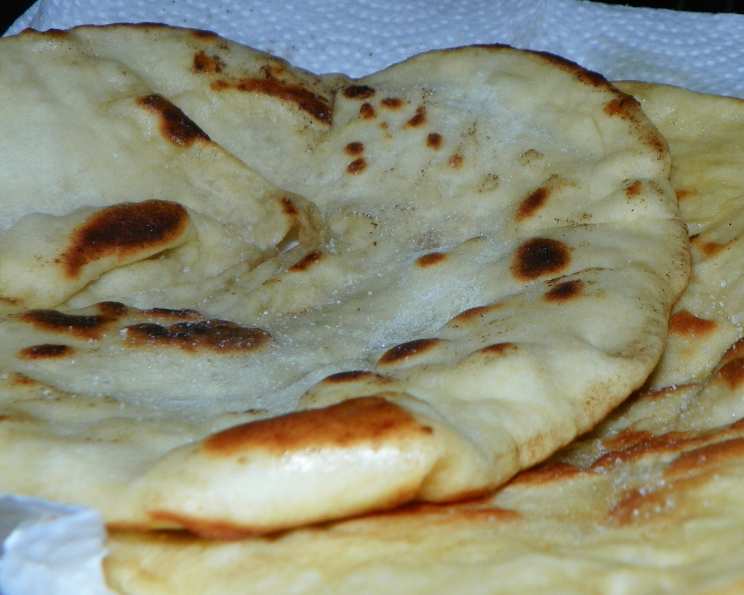
Golden Skillet Bread: A Taste of Simple Comfort
I still remember the aroma that filled my grandmother’s tiny kitchen whenever she made skillet bread. It wasn’t just the smell of baking dough; it was the scent of home, of love, and of generations gathered around a simple meal. She’d pull out her well-seasoned cast iron skillet, the same one her mother used, and with practiced hands, transform a few humble ingredients into a golden disc of pure deliciousness. Each bite was a warm embrace, a reminder that sometimes, the most comforting things in life are also the simplest. This recipe is my attempt to recreate that magic, to share a taste of my childhood with you.
Recipe Overview
- Prep Time: 10 minutes
- Cook Time: 12 minutes
- Rise Time: 30 minutes
- Total Time: 52 minutes
- Servings: 4-6
- Yield: 2 small loaves
- Dietary Type: Vegetarian
Ingredients
- ½ cup warm water
- ½ teaspoon instant yeast
- 1 teaspoon sugar
- 1 cup flour, plus extra for dusting
- ½ teaspoon salt
- ¼ cup salted butter
Equipment Needed
- Mixing bowl
- Fork
- Clean cloth
- Cast iron skillet
- Floured surface
Instructions
-
Activate the yeast: In a mixing bowl, combine the warm water, instant yeast, and sugar. Let the mixture stand for 5 minutes. This allows the yeast to activate and create the gases needed for a good rise. If the yeast doesn’t foam up, it might be old and need replacing.
-
Combine dry ingredients: In a separate bowl, whisk together the flour and salt. This ensures that the salt is evenly distributed throughout the flour.
-
Form the dough: Add the yeast mixture to the flour mixture. Stir with a fork until a soft dough forms. If the dough is too sticky, add a little more flour, a tablespoon at a time, until it comes together.
-
Knead the dough: Knead the dough in the bowl for 1 minute, adding a little flour to prevent sticking. The dough should be smooth and elastic, but not too tough.
-
Let the dough rise: Cover the bowl with a clean cloth and let the dough rise for about 30 minutes in a warm place, away from drafts. A slightly warmed microwave (turned off!) works well. The dough should approximately double in size.
-
Divide and roll: On a lightly floured surface, divide the dough in half. Roll each half into a disc approximately 20 cm (8 inches) in diameter. The thinner the disc, the crispier the bread will be.
-
Cook the bread: Place a cast iron skillet over medium heat. Add half of the butter to the skillet and let it melt. Once the butter is melted and the skillet is hot, carefully place one of the dough discs into the skillet.
-
Cook each side: Cook the bread for about 3 minutes on each side, or until golden brown and cooked through. Be careful not to burn the bread. Adjust the heat if necessary. Repeat with the remaining butter and remaining bread disc.
-
Serve hot: Cut each skillet bread into wedges and serve immediately. The bread is best enjoyed warm, straight from the skillet.
Expert Tips & Tricks
- Spice it up: Add a pinch of garlic powder, onion powder, or dried herbs to the dough for extra flavor.
- Buttermilk variation: Substitute half of the warm water with buttermilk for a tangier flavor.
- Crispy crust: For an extra crispy crust, brush the skillet bread with melted butter or olive oil before placing it in the skillet.
- Don’t overcrowd the skillet: If you’re making a larger batch, cook the bread in batches to avoid overcrowding the skillet. Overcrowding will lower the temperature of the skillet and prevent the bread from browning properly.
- Skillet seasoning: A well-seasoned cast iron skillet is essential for making great skillet bread. If your skillet is not well-seasoned, the bread may stick. To season your skillet, rub it with oil and bake it in a 350°F (175°C) oven for an hour.
Serving & Storage Suggestions
Serve the skillet bread hot with soups, stews, chili, or alongside eggs for breakfast. It’s also delicious with just a smear of butter or jam.
Leftover skillet bread can be stored at room temperature in an airtight container for up to 2 days, or in the refrigerator for up to 5 days. To reheat, wrap the bread in foil and warm it in a 350°F (175°C) oven for about 10 minutes. You can also reheat it in a skillet over medium heat. For longer storage, freeze the bread for up to 2 months. Thaw overnight in the refrigerator before reheating.
Nutritional Information
| Nutrient | Amount per Serving | % Daily Value |
|---|---|---|
| Calories | 221 kcal | 11% |
| Total Fat | 12g | 18% |
| Saturated Fat | 7g | 35% |
| Cholesterol | 31mg | 10% |
| Sodium | 394mg | 16% |
| Total Carbohydrate | 25g | 8% |
| Dietary Fiber | 1g | 4% |
| Sugars | 1g | 2% |
| Protein | 4g | 8% |
Note: Nutritional information is an estimate and may vary based on specific ingredients and portion sizes.
Variations & Substitutions
- Whole Wheat Skillet Bread: Substitute half of the all-purpose flour with whole wheat flour for a nuttier flavor and added fiber.
- Herb and Cheese Skillet Bread: Add a handful of chopped fresh herbs, such as rosemary, thyme, or chives, and a sprinkle of grated cheese, such as Parmesan or cheddar, to the dough before rolling it out.
- Garlic Skillet Bread: Brush the cooked skillet bread with garlic butter made by combining melted butter with minced garlic and a pinch of salt.
- Gluten-Free Skillet Bread: Use a gluten-free flour blend instead of all-purpose flour. You may need to add a little more liquid to the dough to achieve the right consistency. Be aware that gluten-free doughs can be more delicate.
- Vegan Skillet Bread: Substitute the butter with a plant-based butter alternative.
FAQs (Frequently Asked Questions)
Q: Can I use active dry yeast instead of instant yeast?
A: Yes, but you’ll need to proof the yeast in the warm water for 10-15 minutes before adding it to the flour.
Q: My dough didn’t rise. What went wrong?
A: The yeast may have been old or the water was too hot, which killed the yeast. Make sure your yeast is fresh and the water is warm, not hot. Also, the rising environment may have been too cold.
Q: Can I make the dough ahead of time?
A: Yes, you can make the dough ahead of time and store it in the refrigerator for up to 24 hours. Let the dough come to room temperature before rolling it out.
Q: My skillet bread is burning on the bottom. What should I do?
A: Lower the heat on your stove and cook the bread for a longer period. You can also try placing a heat diffuser under the skillet.
Q: Can I bake this in the oven instead of cooking it in a skillet?
A: While this recipe is designed for a skillet, you could bake it. Place the rolled-out dough on a baking sheet and bake at 375°F (190°C) for 12-15 minutes, or until golden brown. However, the texture will be different – less crispy on the bottom.
Final Thoughts
This golden skillet bread is a reminder that simple ingredients, combined with a little time and love, can create something truly special. Whether you’re looking for a comforting side dish or a quick and easy snack, this recipe is sure to please. Gather your ingredients, preheat your skillet, and get ready to enjoy a taste of homemade goodness. Don’t be afraid to experiment with variations and substitutions to make it your own! And please, share your creations with me – I’d love to see what you come up with. Bon appétit!