
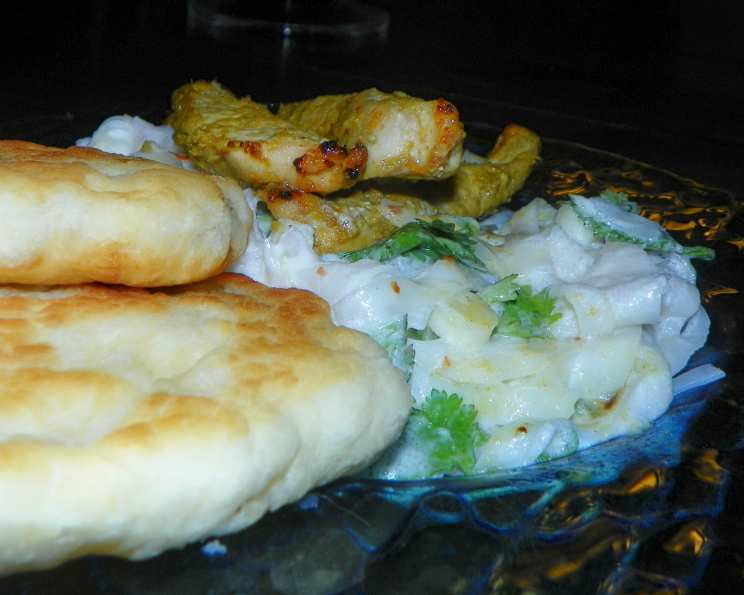
The Everyday Delight of King Arthur Skillet Flatbread
There’s something incredibly comforting about the smell of bread sizzling in a pan. I remember summers spent at my grandmother’s house, where she’d whip up these simple skillet flatbreads on her ancient cast-iron pan. The aroma would drift through the open windows, beckoning us in from our outdoor adventures. We’d devour them still warm, slathered with butter and jam, feeling utterly content and loved. This King Arthur recipe captures that same warmth and simplicity, bringing a touch of nostalgia to my kitchen every time I make it.
Recipe Overview
- Prep Time: 20 minutes
- Cook Time: 20 minutes
- Total Time: 40 minutes
- Yields: 10-12 flatbreads
- Serves: 10
- Dietary Type: Vegetarian
Ingredients
- 3 cups unbleached all-purpose flour
- 2 teaspoons baking powder
- 1 1/2 teaspoons salt
- 3 tablespoons olive oil or 3 tablespoons vegetable oil
- 1 cup ice water
- 2-3 tablespoons vegetable oil, for frying
Optional Variations:
- For Rye Flatbread: 1 cup rye flour and 2 teaspoons deli rye flavor
- For Pizza Flatbread: 2 teaspoons pizza dough flavor and 2 teaspoons dried Italian herbs or pizza seasoning
Equipment Needed
- Large mixing bowl
- Plastic wrap
- Heavy-bottomed skillet
- Rolling pin (optional)
- Cooling rack
Instructions
- In a large mixing bowl, combine the flour, baking powder, and salt. Stir well to ensure even distribution of the baking powder.
- Add the oil and ice water to the dry ingredients. Mix with your hands or a spatula until a soft, cohesive dough forms. If the dough is too dry, add a little more ice water, a tablespoon at a time. If it’s too sticky, add a little more flour. The dough should be moist but not sticky.
- Cover the bowl with plastic wrap and let the dough rest for 10 minutes. This allows the gluten to relax, making the dough easier to roll out.
- While the dough is resting, preheat a heavy-bottomed skillet over medium heat. Cast iron works wonderfully for this recipe, providing even heat distribution. Add 1 tablespoon of oil to the skillet and heat until it shimmers in the pan. This indicates that the oil is hot enough for frying.
- Divide the dough into 10 to 12 equal pieces. Each piece should weigh about 1 1/2 to 2 ounces, roughly the size of a large egg.
- Lightly flour your work surface. Dredge each piece of dough in flour, ensuring it is evenly coated.
- Using a rolling pin, roll each piece of dough into a rough circle or oval, about 1/4 inch thick. Alternatively, you can hand-shape the pieces by flattening them between your palms. This method yields a more rustic, irregular shape.
- Carefully place one or two flatbreads (depending on the size of your skillet) into the hot oil. Fry for 2 to 3 minutes, or until the bottom side is golden brown.
- Flip the flatbreads and fry on the second side for another 2 minutes, or until golden brown. The flatbreads should puff up slightly as they cook.
- Transfer the cooked flatbreads from the pan to a cooling rack to cool slightly before serving. This helps to prevent them from becoming soggy.
- Add more oil to the skillet as needed for frying successive batches. Make sure the oil remains hot throughout the cooking process.
Rye Flatbread Variation:
Replace 1 cup of the all-purpose flour with 1 cup rye flour and add 2 teaspoons deli rye flavor to the flour mixture. Follow the remaining steps as described above. Serve with cream cheese, chives, tomato, thinly sliced onion, and capers for a delicious Scandinavian-inspired appetizer.
Pizza Flatbread Version:
Add 2 teaspoons pizza dough flavor and 2 teaspoons dried Italian herbs or pizza seasoning to the flour mixture. Follow the remaining steps as described above. Serve with marinara sauce for dipping.
Expert Tips & Tricks
- Temperature is Key: Ensure your skillet is hot enough before adding the flatbreads. If the pan isn’t hot enough, the flatbreads will absorb too much oil and become greasy.
- Don’t Overcrowd the Pan: Cook the flatbreads in batches to avoid overcrowding the pan, which can lower the oil temperature and result in uneven cooking.
- Adjusting Dough Consistency: The amount of water needed may vary depending on the humidity and the type of flour you use. Adjust the amount of water accordingly to achieve a soft, pliable dough.
- Flavor Boost: Experiment with different herbs and spices in the dough, such as garlic powder, onion powder, or paprika.
- Make-Ahead Tip: The dough can be made ahead of time and stored in the refrigerator for up to 24 hours. Bring the dough to room temperature before rolling it out.
Serving & Storage Suggestions
Serve the skillet flatbreads warm, straight from the pan. They are delicious on their own or with a variety of toppings and dips. Consider serving them with:
- Hummus
- Tzatziki sauce
- Baba ghanoush
- Spiced yogurt
- Grilled vegetables
- Cheese and charcuterie
Leftover flatbreads can be stored in an airtight container at room temperature for up to 2 days, or in the refrigerator for up to 5 days. To reheat, warm them in a dry skillet or toaster oven until heated through. You can also freeze the cooked flatbreads for up to 2 months. Thaw them completely before reheating.
Nutritional Information
| Nutrient | Amount per Serving | % Daily Value |
|---|---|---|
| Calories | 173 kcal | N/A |
| Calories from Fat | 39 kcal | N/A |
| Total Fat | 4.4 g | 6% |
| Saturated Fat | 0.6 g | 3% |
| Cholesterol | 0 mg | 0% |
| Sodium | 423 mg | 17% |
| Total Carbohydrate | 28.8 g | 9% |
| Dietary Fiber | 1 g | 4% |
| Sugars | 0.1 g | 0% |
| Protein | 3.9 g | 7% |
Nutritional information is an estimate and may vary based on specific ingredients and portion sizes.
Variations & Substitutions
- Gluten-Free: Substitute the all-purpose flour with a gluten-free all-purpose blend. Be sure to check that the blend contains xanthan gum or another binding agent.
- Whole Wheat: Replace up to half of the all-purpose flour with whole wheat flour for a nuttier flavor and added fiber.
- Spelt Flour: Spelt flour can also be used as a substitute for all-purpose flour, providing a slightly sweet and nutty flavor.
- Dairy-Free: The recipe is naturally dairy-free.
- Vegan: The recipe is naturally vegan.
- Sweet Flatbread: Add 1-2 tablespoons of sugar to the flour mixture for a slightly sweet flatbread. Serve with fruit and whipped cream.
FAQs (Frequently Asked Questions)
Q: Can I use bread flour instead of all-purpose flour?
A: Yes, you can use bread flour, but the resulting flatbreads will be slightly chewier. All-purpose flour provides a more tender texture.
Q: Can I make these ahead of time?
A: The dough can be made ahead and stored in the refrigerator for up to 24 hours. Cooked flatbreads are best enjoyed fresh but can be reheated.
Q: How do I keep the flatbreads warm while cooking in batches?
A: Place the cooked flatbreads in a warm oven (about 200°F or 93°C) while you finish cooking the remaining batches.
Q: My flatbreads are burning on the outside but still doughy on the inside. What am I doing wrong?
A: The heat may be too high. Reduce the heat to medium-low and cook the flatbreads for a longer time, flipping them more frequently.
Q: Can I add herbs or spices to the dough?
A: Absolutely! Feel free to experiment with different herbs and spices to customize the flavor of your flatbreads.
Final Thoughts
This skillet flatbread recipe is more than just a quick and easy way to have fresh bread on the table. It’s an invitation to slow down, connect with simple ingredients, and create a moment of joy in your kitchen. I encourage you to try this recipe and make it your own. Experiment with different flavors and toppings, and share your creations with loved ones. Whether you’re enjoying them with a hearty stew, a colorful salad, or simply on their own with a drizzle of olive oil, these skillet flatbreads are sure to bring a touch of warmth and deliciousness to your day. And I think my grandmother would have loved them.