
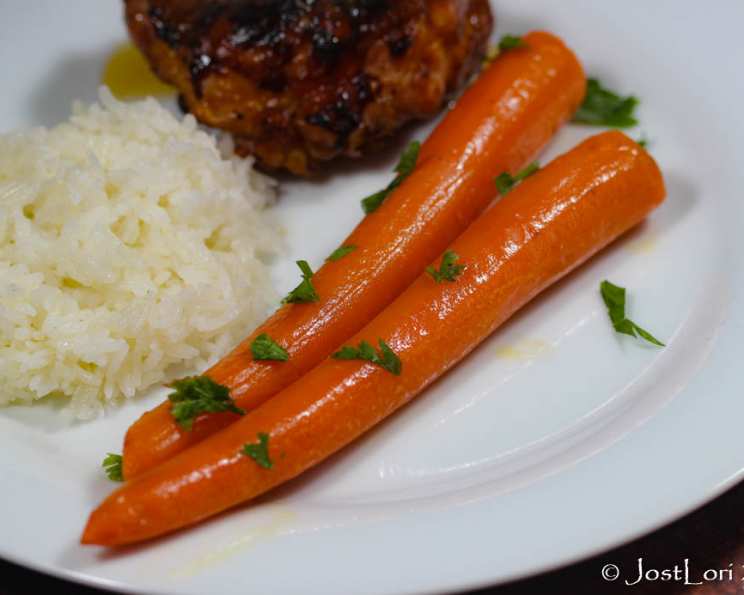
Slow-Cooked Whole Carrots: A Sweet Symphony of Simplicity
I remember the first time I tasted carrots prepared this way. I was at a small, unassuming bistro in the French countryside, and the chef, a stout woman with flour perpetually dusting her apron, simply placed a plate of glazed, whole carrots before me. No fanfare, no explanation. One bite, though, and I understood. The carrots, seemingly ordinary, were impossibly tender, intensely sweet, and perfectly seasoned. They possessed a depth of flavor I hadn’t thought possible, and the simple preparation allowed their natural beauty to shine through. It was a revelation, and I’ve been chasing that perfect carrot ever since.
Recipe Overview
- Prep Time: 10 minutes
- Cook Time: 1 hour 5 minutes
- Total Time: 1 hour 15 minutes
- Servings: 4-6
- Yield: 4-6 servings
- Dietary Type: Vegetarian, Gluten-Free
Ingredients
- Parchment paper
- 3 cups water
- 1 tablespoon unsalted butter
- 1/2 teaspoon salt
- 12 carrots, peeled (1 1/2 to 1 3/4 lbs, choose carrots that measure 3/4 to 1 1/4 in across the thickest end)
Equipment Needed
- 12-inch skillet with lid
- Knife
- Cutting board
Instructions
-
Begin by preparing your parchment paper. Cut a 12-inch circle from the parchment paper. Then, cut a small circle in the center of the paper. This parchment lid will help to gently steam the carrots.
-
Next, bring the water, butter, and salt to a simmer in a 12-inch skillet over high heat. Ensure the butter is melted and the salt is fully dissolved before moving on to the next step.
-
Remove the skillet from the heat. Carefully add the peeled carrots to the skillet in a single layer. It is important that the carrots are not overcrowded in the pan. If the carrots are too large for the pan, use a larger pan or cut some in half. Place the parchment round on top of the carrots, directly covering them. Then, cover the entire skillet with its lid. Let the carrots stand, undisturbed, for 20 minutes. This resting period allows the carrots to begin absorbing the flavored water and prepares them for slow cooking.
-
Remove the lid from the skillet, leaving the parchment round in place. Return the skillet to high heat and bring the liquid back to a simmer.
-
Once simmering, reduce the heat to medium-low. Continue to simmer the carrots, covered with the parchment round, until almost all the water has evaporated and the carrots are very tender. This will take approximately 45 minutes. Monitor the water level closely to avoid burning. The parchment paper will help to ensure even cooking and prevent the carrots from drying out.
-
After 45 minutes, discard the parchment round. Increase the heat to medium-high.
-
Continue to cook the carrots, shaking the pan frequently, until they are lightly glazed and no water remains in the skillet. This final step should take about 2 to 4 minutes. Shaking the pan ensures even glazing and prevents sticking. Watch closely to avoid burning the sugars in the carrots.
-
Once the carrots are beautifully glazed and tender, transfer them to a platter and serve immediately.
Expert Tips & Tricks
- Choosing the Right Carrots: Opt for carrots that are roughly the same size to ensure even cooking. Thicker carrots may require slightly longer simmering time.
- Parchment Power: Don’t skip the parchment round! It’s crucial for maintaining moisture and ensuring even cooking throughout. If you don’t have parchment paper, you can use a tight-fitting lid, but the results may vary slightly.
- Glazing Perfection: For a deeper, richer glaze, add a teaspoon of honey or maple syrup during the last 2-4 minutes of cooking. Be careful not to burn the sugars.
- Don’t Overcrowd: Make sure the carrots aren’t overcrowded in the skillet during the initial simmering stage. Overcrowding can lead to uneven cooking. Cook in batches if necessary.
- Pan Shaking Technique: When glazing, gently shake the pan rather than stirring the carrots with a spoon. This will help them develop a beautiful, even glaze without breaking them.
Serving & Storage Suggestions
These slow-cooked carrots are a versatile side dish that pairs beautifully with roasted meats, poultry, or fish. They also make a delightful vegetarian main course when served alongside a grain like quinoa or couscous.
To elevate the presentation, garnish the carrots with fresh herbs such as parsley, thyme, or dill. A sprinkle of toasted nuts, like slivered almonds or pistachios, adds a touch of texture and visual appeal.
Leftover carrots can be stored in an airtight container in the refrigerator for up to 3 days. To reheat, gently warm them in a skillet over medium heat or microwave them in short intervals until heated through. While they are best enjoyed fresh, reheated carrots still retain their delightful flavor and tenderness.
Nutritional Information
| Nutrient | Amount per Serving | % Daily Value |
|---|---|---|
| Calories | 75 kcal | 4% |
| Total Fat | 2.5g | 3% |
| Saturated Fat | 1.5g | 8% |
| Cholesterol | 5mg | 2% |
| Sodium | 200mg | 9% |
| Total Carbohydrate | 12g | 4% |
| Dietary Fiber | 3g | 11% |
| Sugars | 7g | |
| Protein | 1g | 2% |
Variations & Substitutions
- Herb Infusion: Add fresh herbs like thyme, rosemary, or sage to the water during the simmering process for an aromatic twist.
- Spice It Up: Incorporate a pinch of ground cumin, coriander, or ginger for a warm, spicy flavor.
- Citrus Zest: Add a teaspoon of orange or lemon zest to the carrots during the last few minutes of cooking for a bright, citrusy note.
- Maple Glaze: Substitute maple syrup for butter for a vegan-friendly option with a richer, more complex sweetness.
- Honey Glaze: Use honey instead of butter for a unique, slightly floral sweetness.
- Different Carrots: While standard orange carrots are delicious, try using rainbow carrots for a vibrant and visually appealing dish.
FAQs (Frequently Asked Questions)
Q: Why use parchment paper in this recipe?
A: The parchment paper acts as a lid within the pan, trapping steam and ensuring the carrots cook evenly and retain moisture. This gentle steaming method is key to their tender texture.
Q: Can I use baby carrots instead of whole carrots?
A: While you can use baby carrots, the cooking time will be significantly reduced, and the final texture may not be as desirable. It’s best to stick with whole carrots for optimal results.
Q: What if all the water evaporates before the carrots are tender?
A: Add a small amount of water, about 1/4 cup at a time, to the skillet and continue simmering until the carrots are tender.
Q: Can I make this recipe ahead of time?
A: Yes, you can cook the carrots ahead of time and store them in the refrigerator for up to 3 days. Reheat gently before serving.
Q: Can I use salted butter instead of unsalted?
A: Yes, but reduce the amount of salt added to the water to 1/4 teaspoon to avoid over-salting the dish.
Final Thoughts
These slow-cooked whole carrots are a testament to the power of simple ingredients and patient cooking. Their inherent sweetness is enhanced by a touch of butter and salt, transforming them into a truly memorable dish. I encourage you to try this recipe and experience the magic for yourself. Don’t be afraid to experiment with different herbs, spices, or glazes to create your own signature version. And, as always, I’d love to hear your feedback! Serve these carrots alongside a roasted chicken or a hearty lentil stew for a complete and satisfying meal. Bon appétit!