
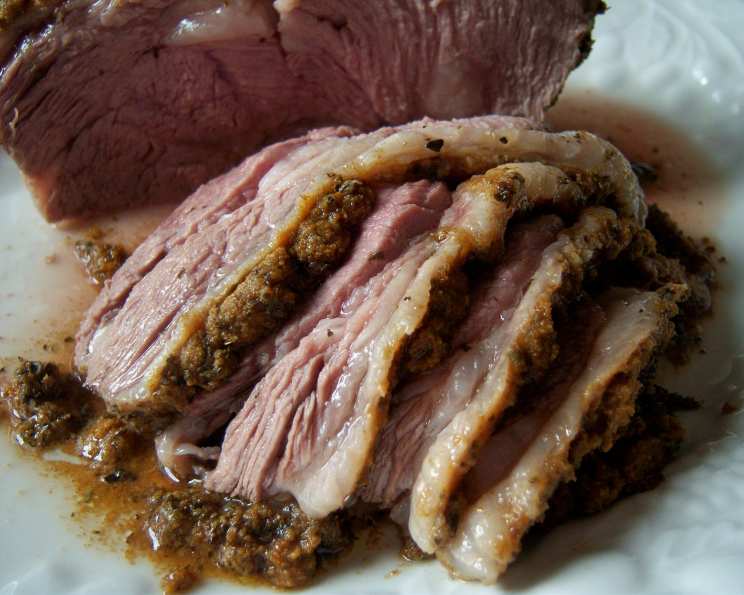
Slow Roasted Leg of Lamb: Aromatic Simplicity
The first time I tasted truly exceptional slow-roasted lamb, I was a wide-eyed culinary student shadowing a seasoned chef in the rolling hills of Tuscany. The aroma alone – a symphony of earthy spices and succulent meat – filled the entire farmhouse kitchen, promising something truly special. The lamb, having patiently transformed in the oven for hours, was fall-apart tender, its rich, savory flavor deeply infused with fragrant cumin and coriander. It was a revelation, and a dish I’ve been perfecting and sharing ever since.
Recipe Overview
- Prep Time: 15 minutes
- Cook Time: 4 hours
- Total Time: 4 hours 15 minutes
- Servings: 6
- Dietary Type: Gluten-Free, Dairy-Free (naturally)
Ingredients
- 2 kg leg of lamb
- 1 tablespoon ground cumin
- 1 tablespoon ground coriander
- 1 teaspoon salt
- 1 tablespoon olive oil
- 2 cups water
Equipment Needed
- Roasting Pan
- Oven
- Meat Thermometer (recommended)
Instructions
-
Begin by preparing the spice rub. In a small bowl, thoroughly mix together the 1 tablespoon of ground cumin, 1 tablespoon of ground coriander, and 1 teaspoon of salt.
-
Rub the spice mixture generously and evenly over the entire leg of lamb, ensuring all surfaces are coated. This aromatic blend will penetrate the meat during the slow roasting process, creating a deeply flavorful crust.
-
Place the spiced leg of lamb in a roasting pan.
-
Drizzle 1 tablespoon of olive oil evenly over the lamb. The olive oil will help to crisp the skin and enhance the browning process.
-
Pour 2 cups of water into the bottom of the roasting pan. The water will create steam, helping to keep the lamb moist and tender during the long cooking time. Monitor the water level during cooking and add more if it evaporates completely.
-
Cook in a preheated oven at 140°C / 285°F for approximately 4 hours, or until the internal temperature of the lamb reaches 65°C / 150°F for medium. Use a meat thermometer inserted into the thickest part of the lamb, avoiding the bone, to ensure accurate doneness. For medium-rare, aim for 60°C / 140°F; for well-done, aim for 70°C / 160°F. Note that the internal temperature will rise slightly after the lamb is removed from the oven (carry-over cooking).
-
Once the lamb reaches the desired internal temperature, remove it from the oven. Let it rest for at least 15-20 minutes before carving. This allows the juices to redistribute throughout the meat, resulting in a more tender and flavorful roast. Cover loosely with foil while resting.
Expert Tips & Tricks
- Bone-in vs. Boneless: A bone-in leg of lamb generally has more flavor due to the marrow and connective tissue. However, a boneless leg is easier to carve.
- Scoring the Fat: Before applying the spice rub, consider scoring the fat cap of the lamb in a crosshatch pattern. This helps the fat render and crisp up during roasting.
- Aromatic Vegetables: For an even more flavorful pan sauce, add some roughly chopped aromatic vegetables like onions, carrots, and celery to the bottom of the roasting pan along with the water.
- Basting: While not strictly necessary with slow roasting, basting the lamb with the pan juices every hour or so can enhance the browning and flavor of the skin.
- Dealing with Over-Browning: If the lamb skin starts to brown too quickly, tent the roasting pan loosely with aluminum foil.
- Using a Slow Cooker: While this recipe is designed for the oven, a similar result can be achieved in a slow cooker. Sear the lamb in a skillet before transferring it to the slow cooker with the spices and water. Cook on low for 6-8 hours, or until the lamb is very tender.
Serving & Storage Suggestions
Serve the slow-roasted leg of lamb sliced thinly, accompanied by the pan juices (which can be strained and thickened slightly for a simple gravy). It pairs beautifully with roasted vegetables like potatoes, carrots, and parsnips, as well as creamy mashed potatoes or polenta. Mint sauce, tzatziki, or a simple yogurt sauce also complement the richness of the lamb.
Leftover lamb can be stored in an airtight container in the refrigerator for up to 3-4 days. It can be reheated in the oven, microwave, or skillet. Sliced lamb is also excellent in sandwiches, salads, or wraps. For longer storage, cooked lamb can be frozen for up to 2-3 months. Thaw it in the refrigerator before reheating.
Nutritional Information
| Nutrient | Amount per Serving | % Daily Value (approx.) |
|---|---|---|
| Calories | 696 kcal | 35% |
| Total Fat | 47.6g | 73% |
| Saturated Fat | 19.7g | 98% |
| Cholesterol | 223.3mg | 74% |
| Sodium | 582mg | 24% |
| Total Carbohydrate | 0.9g | 0% |
| Dietary Fiber | 0.5g | 1% |
| Sugars | 0g | 0% |
| Protein | 62.2g | 124% |
Note: Nutritional information is an estimate and may vary based on specific ingredients and portion sizes.
Variations & Substitutions
- Herbs: Add fresh herbs like rosemary, thyme, or oregano to the spice rub for an even more complex flavor profile. Tuck sprigs of herbs under the lamb before roasting.
- Garlic: Stud the lamb with slivers of garlic before roasting. Make small incisions in the meat and insert the garlic cloves.
- Citrus: Add lemon or orange zest to the spice rub for a bright, citrusy note. You can also squeeze the juice of half a lemon or orange over the lamb before roasting.
- Wine: Replace some of the water in the roasting pan with red wine for a richer, more complex pan sauce.
- Spicy Lamb: Add a pinch of cayenne pepper or chili flakes to the spice rub for a touch of heat.
- Mediterranean Twist: Add chopped olives, sun-dried tomatoes, and feta cheese to the pan during the last hour of roasting for a Mediterranean-inspired dish.
FAQs (Frequently Asked Questions)
Q: Why is it important to slow roast the lamb?
A: Slow roasting at a low temperature allows the connective tissues in the lamb to break down gradually, resulting in incredibly tender and moist meat. It also allows the flavors of the spices to deeply infuse the lamb.
Q: How do I know when the lamb is cooked to the correct temperature?
A: The best way to check doneness is to use a meat thermometer. Insert the thermometer into the thickest part of the lamb, avoiding the bone. For medium, aim for an internal temperature of 65°C / 150°F.
Q: Can I use a different cut of lamb for this recipe?
A: While a leg of lamb is ideal, you can also use a shoulder of lamb, which is another flavorful cut that benefits from slow roasting. Adjust the cooking time accordingly, as a shoulder may require a longer cooking time to become tender.
Q: What can I do with the pan juices after roasting the lamb?
A: The pan juices are incredibly flavorful and can be used to make a simple gravy. Strain the juices to remove any solids, then simmer them in a saucepan over medium heat until they thicken slightly. You can also add a cornstarch slurry (cornstarch mixed with cold water) to help thicken the gravy.
Q: Can I prepare the lamb ahead of time?
A: You can prepare the spice rub and rub it onto the lamb a day in advance. Store the lamb in the refrigerator until ready to roast. You can also roast the lamb ahead of time and reheat it before serving. However, be careful not to overcook it during reheating.
Final Thoughts
This slow-roasted leg of lamb recipe is a testament to the beauty of simple ingredients and patient cooking. It’s a dish that’s perfect for a special occasion or a weekend gathering, and it’s sure to impress your family and friends. Don’t be intimidated by the long cooking time; the hands-on preparation is minimal, and the results are well worth the effort. So, gather your spices, preheat your oven, and prepare to be transported to a world of culinary delight. I hope you enjoy making and savoring this dish as much as I do. Feel free to adapt the flavors to your liking and let me know what creative twists you come up with! Perhaps a dry red wine like a Chianti would perfectly compliment this hearty lamb dish.