
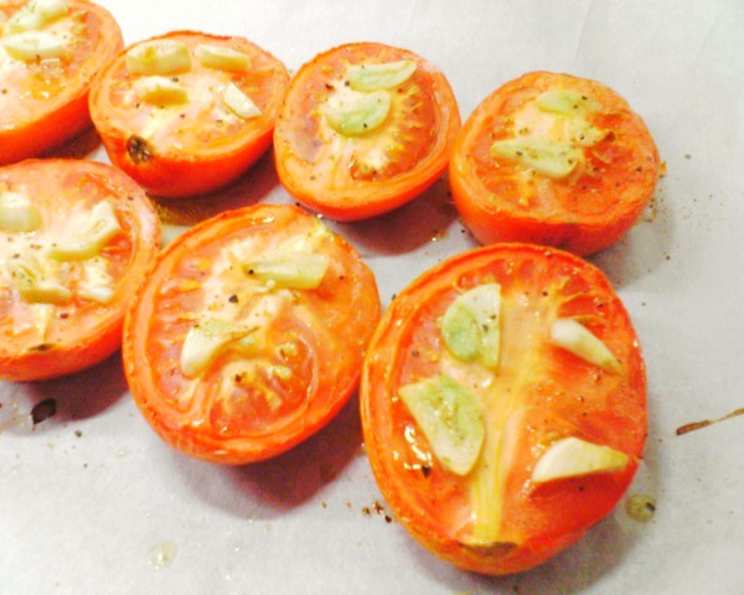
The Unforgettable Sweetness of Slow-Roasted Tomatoes
As a child, I remember my grandmother’s garden overflowing with ripe, juicy tomatoes. The aroma alone was intoxicating, a promise of summer on the vine. But it wasn’t until she slow-roasted them, coaxing out their concentrated sweetness, that I truly understood the magic of this simple fruit. The way the kitchen filled with their savory perfume, the slightly caramelized edges, and the burst of flavor with every bite – it’s a memory that continues to inspire my cooking today. These tomatoes aren’t just an ingredient; they are a taste of home, a testament to the transformative power of time and heat.
Recipe Overview
- Prep Time: 10 minutes
- Cook Time: 1 hour
- Total Time: 1 hour 10 minutes
- Servings: 6
- Dietary Type: Vegan, Gluten-Free, Dairy-Free
Ingredients
- 6 tomatoes, halved
- 2 garlic cloves, finely sliced
- 1 teaspoon honey
- 1 tablespoon balsamic vinegar, plus extra to drizzle
- 1 tablespoon olive oil, plus extra to drizzle
- Salt & freshly ground black pepper
- 1 tablespoon chopped fresh parsley
Equipment Needed
- Oven tray
Instructions
- Preheat your oven to gas mark 2/300°F/150°C. This low and slow approach is key to unlocking the tomatoes’ maximum flavor potential. Make sure your oven is properly calibrated for accurate temperature.
- Place the tomato halves cut side up in an oven tray. This ensures the juices are retained and they caramelize beautifully. Use a tray with sides to prevent any juices from spilling and burning.
- Place a garlic slice on top of each tomato half. The garlic infuses the tomatoes with a pungent, savory note that complements their sweetness. If you prefer a milder garlic flavor, you can use whole cloves instead of sliced.
- In a small bowl, whisk together the honey, balsamic vinegar, and olive oil. This mixture creates a flavorful glaze that will coat the tomatoes as they roast. Ensure the honey is fully dissolved into the liquid.
- Drizzle the honey-vinegar-oil mixture evenly over the tomatoes. Be generous, ensuring each tomato half is well-coated. Don’t worry if some pools in the tray; it will caramelize and add depth of flavor.
- Season generously with salt and freshly ground black pepper. Seasoning is crucial to balance the sweetness and acidity of the tomatoes. Taste and adjust the seasoning as needed.
- Roast for 1 hour, or until the tomatoes are very soft and lightly charred around the edges. The exact roasting time may vary depending on the size and ripeness of your tomatoes. Keep a close eye on them to prevent burning. The tomatoes are ready when they are easily pierced with a fork and have a slightly wrinkled appearance.
- (Optional Make-Ahead Step) You can roast the tomatoes up to 1 day in advance. Once cooled, cover them tightly and refrigerate. This allows the flavors to meld and deepen. Bring them to room temperature before serving for the best flavor.
- Before serving, sprinkle with the chopped fresh parsley and drizzle with extra olive oil and balsamic vinegar. The parsley adds a fresh, herbaceous note, while the extra drizzle of oil and vinegar enhances the flavor and presentation. Serve the tomatoes chilled or at room temperature.
Expert Tips & Tricks
- Choosing the Right Tomatoes: Roma or plum tomatoes are excellent choices for slow-roasting as they have a meaty texture and fewer seeds. However, you can use any variety you prefer. Cherry tomatoes also work well, but will require a shorter roasting time.
- Enhance the Flavors: Add a pinch of red pepper flakes to the honey-vinegar mixture for a touch of heat. You can also include other herbs like thyme, rosemary, or oregano for a more complex flavor profile.
- Preventing Burning: If you notice the tomatoes are browning too quickly, lower the oven temperature slightly or cover the tray loosely with aluminum foil.
- Reducing Acidity: If your tomatoes are particularly acidic, you can add a pinch of baking soda to the honey-vinegar mixture to help neutralize the acidity.
- Garlic Alternatives: For a sweeter, milder garlic flavor, try using roasted garlic instead of fresh. Simply roast a head of garlic alongside the tomatoes and squeeze the softened cloves over them before serving.
Serving & Storage Suggestions
These slow-roasted tomatoes are incredibly versatile. Serve them as a side dish with grilled meats, fish, or poultry. They also make a delicious addition to salads, pasta dishes, sandwiches, or bruschetta. You can also blend them into a creamy soup or sauce.
To store leftovers, place the tomatoes in an airtight container and refrigerate for up to 3-4 days. They can also be frozen for longer storage (up to 2 months). Thaw them in the refrigerator overnight before using. Reheat gently in a skillet or microwave before serving.
Nutritional Information
| Nutrient | Amount per Serving | % Daily Value |
|---|---|---|
| Calories | 95 kcal | 5% |
| Total Fat | 6g | 8% |
| Saturated Fat | 1g | 5% |
| Cholesterol | 0mg | 0% |
| Sodium | 14mg | 1% |
| Total Carbohydrate | 13g | 5% |
| Dietary Fiber | 3g | 12% |
| Sugars | 8g | – |
| Protein | 2g | 4% |
Note: Nutritional information is an estimate and may vary based on specific ingredients and portion sizes.
Variations & Substitutions
- Herb Infusion: Experiment with different herbs like basil, oregano, thyme, or rosemary to create unique flavor profiles.
- Spicy Tomatoes: Add a pinch of red pepper flakes or a dash of hot sauce to the honey-vinegar mixture for a spicy kick.
- Smoked Paprika: Substitute regular paprika with smoked paprika for a smoky flavor.
- Sweetener Alternatives: If you don’t have honey, you can use maple syrup, agave nectar, or brown sugar as a substitute.
- Vinegar Variations: Try using different types of vinegar, such as red wine vinegar, apple cider vinegar, or sherry vinegar, for a unique flavor twist.
- Vegan Option: Ensure the honey you use is sourced from a bee-friendly farm, or substitute it with maple syrup or agave for a completely vegan option.
FAQs (Frequently Asked Questions)
Q: Can I use canned tomatoes instead of fresh?
A: While fresh tomatoes are ideal for slow-roasting, you can use canned diced tomatoes in a pinch. Drain them well and reduce the roasting time accordingly. The flavor won’t be quite as intense, but it’s a viable option.
Q: How do I prevent the tomatoes from becoming too watery?
A: Using Roma or plum tomatoes, which have a lower water content, helps. Also, roasting them cut-side up encourages evaporation. If they still release a lot of liquid, you can carefully drain some of it off halfway through the roasting process.
Q: Can I freeze slow-roasted tomatoes?
A: Yes, slow-roasted tomatoes freeze well. Allow them to cool completely, then transfer them to an airtight container or freezer bag. They can be stored in the freezer for up to 2 months.
Q: What’s the best way to reheat slow-roasted tomatoes?
A: Gently reheat them in a skillet over medium heat or in the microwave. Avoid overheating, as this can make them mushy.
Q: How can I use these tomatoes in a pasta dish?
A: Toss the slow-roasted tomatoes with your favorite cooked pasta, along with some of the roasting juices. Add some fresh basil, Parmesan cheese (if not vegan), and a drizzle of olive oil for a simple yet delicious pasta dish.
Final Thoughts
I hope this recipe inspires you to experience the incredible depth of flavor that slow-roasting brings to humble tomatoes. This simple process transforms them into something truly special, a celebration of sweetness, acidity, and savory notes all in one bite. Don’t hesitate to experiment with different herbs and spices to create your own unique variations. And most importantly, don’t be afraid to share your culinary creations with friends and family. They’ll thank you for it! Perhaps serve these alongside grilled chicken with a crisp Sauvignon Blanc for a perfect summer evening meal. Bon appétit!