
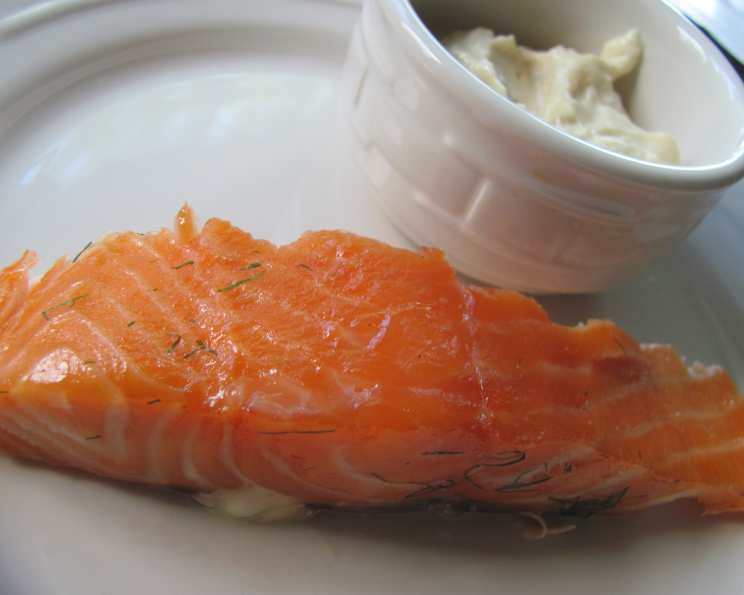
Slow Roasted Brown Sugar and Dill Cured Salmon: A Scandinavian-Inspired Delight
The scent of dill always transports me back to my grandmother’s kitchen. She wasn’t Scandinavian, not in the slightest, but she had a peculiar fondness for dill in everything from potato salad to, surprisingly, her signature roast chicken. That herby aroma, combined with the subtle sweetness of brown sugar, takes me straight back to those cozy afternoons. Little did I know that years later, I’d stumble upon a recipe that married these familiar flavors with the richness of salmon, creating a dish that feels both nostalgic and utterly refined.
Recipe Overview
- Prep Time: 15 minutes
- Cook Time: 1 hour 10 minutes
- Total Time: 8 hours 25 minutes (includes curing time)
- Servings: 8
- Yield: 8 servings
Ingredients
- 1/2 cup packed light brown sugar
- 1/3 cup chopped fresh dill
- 2 tablespoons kosher salt
- 1 (3 lb) salmon fillet, skin on
- Cooking spray
- 1/2 cup reduced-fat mayonnaise
- 2 tablespoons Dijon mustard
Equipment Needed
- 13 x 9-inch baking dish
- Jelly-roll pan
Instructions
-
In a bowl, combine the brown sugar, fresh dill, and kosher salt. Mix well until evenly distributed. This mixture forms the base of our flavorful cure.
-
Place the salmon fillet, skin side down, in a 13 x 9-inch baking dish. Ensure the fillet fits comfortably within the dish; you may need to trim it slightly.
-
Generously rub the brown sugar mixture all over the salmon fillet, making sure to cover every inch of the flesh. The cure needs to be in direct contact with the fish to work its magic.
-
Cover the baking dish tightly with plastic wrap. Refrigerate for 8 hours. This curing process draws out moisture from the salmon, firming its texture and infusing it with the sweet and savory flavors.
-
Preheat your oven to a very low temperature: 175°F (80°C). Low and slow is key for achieving that perfect, melt-in-your-mouth texture.
-
After the curing time, remove the salmon from the refrigerator. Using a paper towel, wipe off any remaining brown sugar mixture from the surface of the fish. You want a clean surface for roasting, preventing the sugar from burning.
-
Lightly coat a jelly-roll pan with cooking spray. This will prevent the salmon skin from sticking to the pan during roasting.
-
Place the salmon fillet, skin side down, in the prepared jelly-roll pan.
-
Bake at 175°F (80°C) for 1 hour and 10 minutes, or until the fish flakes easily when tested with a fork. The exact cooking time may vary depending on the thickness of your fillet, so keep a close eye on it. You can also check for an internal temperature of 145°F (63°C).
-
While the salmon is roasting, prepare the simple sauce. In a small bowl, combine the reduced-fat mayonnaise and Dijon mustard. Stir well until smooth and creamy. This sauce adds a tangy counterpoint to the sweetness of the salmon.
-
Once the salmon is cooked through, remove it from the oven. Allow it to rest for a few minutes before serving.
-
Serve the slow-roasted brown sugar and dill cured salmon with the mayonnaise-mustard sauce on the side.
Expert Tips & Tricks
- Salt Selection: Using kosher salt is important because of its larger crystals, which help draw out moisture more effectively during the curing process. Table salt can be too fine and may result in an overly salty cure.
- Salmon Skin Crispiness: While this recipe focuses on the slow-roasting method, if you prefer a crispier skin, you can briefly broil the salmon skin-side up for the last few minutes of cooking. Watch it carefully to prevent burning!
- Curing Time Adjustment: For a more intense flavor, you can increase the curing time to up to 12 hours. However, be mindful of the salt content, as prolonged curing can make the salmon saltier.
- Fatty Fish is Best: This recipe works best with a fattier type of salmon, like King or Sockeye. The fat content helps keep the fish moist and flavorful during the long, slow roasting.
- Internal Temperature: To be absolutely sure your salmon is cooked perfectly, use a meat thermometer. Insert it into the thickest part of the fillet; it should read 145°F (63°C).
Serving & Storage Suggestions
Serve this beautiful salmon hot or warm, accompanied by the simple mayonnaise-mustard sauce. It pairs wonderfully with a light salad made of watercress and cucumber, as suggested by the original Cooking Light recipe. Steamed asparagus, roasted root vegetables, or a simple quinoa salad also make excellent side dishes.
Leftover salmon can be stored in an airtight container in the refrigerator for up to 3 days. While you can technically freeze cooked salmon, the texture may change slightly upon thawing. If freezing, wrap it tightly in plastic wrap and then in foil to prevent freezer burn. Reheat gently in a low oven (around 275°F/135°C) to prevent drying out.
Nutritional Information
| Nutrient | Amount per Serving | % Daily Value |
|---|---|---|
| Calories | 302.4 kcal | N/A |
| Calories from Fat | 98 g | 33% |
| Total Fat | 10.9 g | 16% |
| Saturated Fat | 1.7 g | 8% |
| Cholesterol | 93.9 mg | 31% |
| Sodium | 2025.5 mg | 84% |
| Total Carbohydrate | 15 g | 4% |
| Dietary Fiber | 0.1 g | 0% |
| Sugars | 14 g | 55% |
| Protein | 34.2 g | 68% |
Note: Nutritional information is an estimate and may vary based on specific ingredients and portion sizes.
Variations & Substitutions
- Herb Variations: While dill is a classic pairing with salmon, feel free to experiment with other fresh herbs like parsley, chives, or even a touch of tarragon.
- Sweetener Options: If you’re looking for a less refined sugar option, try using coconut sugar or maple syrup in place of the brown sugar. The flavor profile will change slightly, but still be delicious.
- Mustard Alternatives: For a bolder flavor, try using a whole-grain mustard or even a horseradish mustard in the sauce.
- Citrus Zest: Adding a teaspoon of lemon or orange zest to the brown sugar cure can brighten the flavors and add a zesty aroma.
- Spicy Kick: For those who like a little heat, add a pinch of red pepper flakes to the cure or a dash of hot sauce to the mayonnaise-mustard sauce.
FAQs (Frequently Asked Questions)
Q: Can I use frozen salmon for this recipe?
A: Yes, you can use frozen salmon, but make sure it’s completely thawed before starting the curing process. Pat it dry with paper towels to remove any excess moisture.
Q: Is the 8-hour curing time mandatory?
A: While the 8-hour curing time is recommended for optimal flavor and texture, you can shorten it to as little as 4 hours if you’re short on time. However, the salmon may not be as firm or flavorful.
Q: Can I make this recipe ahead of time?
A: Yes, you can cure the salmon up to 24 hours in advance. Just keep it refrigerated until you’re ready to bake it. The mayonnaise-mustard sauce can also be made a day ahead.
Q: My salmon released a lot of liquid during the curing process. Is this normal?
A: Yes, it’s perfectly normal for the salmon to release liquid during curing. This is the salt drawing out moisture from the fish. Simply discard the liquid before wiping off the sugar mixture.
Q: How do I know when the salmon is done cooking?
A: The salmon is done when it flakes easily when tested with a fork or when an instant-read thermometer inserted into the thickest part of the fillet reads 145°F (63°C).
Final Thoughts
This Slow Roasted Brown Sugar and Dill Cured Salmon is more than just a recipe; it’s an experience. The gentle curing process transforms the texture of the salmon, while the low-and-slow roasting method ensures a perfectly tender and flavorful result. I encourage you to give this recipe a try and share your creations with friends and family. Serve it with a crisp white wine, like a Sauvignon Blanc or Pinot Grigio, for a truly memorable meal. I hope this dish brings as much joy to your table as it has to mine. Enjoy!