
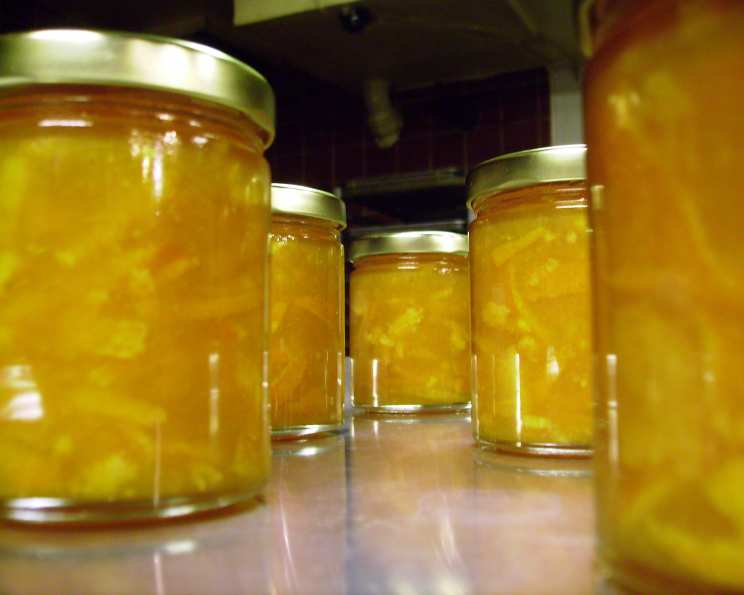
Small-Batch Mandarin Orange (Or Clementine) Marmalade
The first time I ever tasted marmalade, I was a little girl visiting my grandmother in Florida. She had a sprawling citrus grove in her backyard, and the air was always filled with the sweet scent of oranges and grapefruit. Every year, she’d make jars and jars of marmalade, each batch slightly different depending on the fruit that was ripest at the time. I remember the bittersweet flavor, the vibrant color, and the way it transformed a simple piece of toast into something special. This mandarin orange marmalade brings back those sun-drenched memories with every delicious bite.
Recipe Overview
- Prep Time: 30 minutes
- Cook Time: 45 minutes
- Total Time: 1 hour 15 minutes
- Yield: 2 cups
- Dietary Type: Gluten-Free, Vegan
Ingredients
- 3 mandarin oranges (or clementines)
- 1 lemon
- 1 cup water
- 1 1/4 cups granulated sugar
Equipment Needed
- Small, non-reactive saucepan
- Sharp knife or scissors
- Food processor or sharp knife (for chopping)
- Ladle
- Hot jars (for canning)
- Boiling water bath canner
- Jar lifter
- Saucer or two (for testing gel)
Instructions
-
Begin by preparing your citrus. Carefully remove the peel from all of the mandarin oranges (or clementines) and the lemon. It’s crucial to only remove the colored part of the lemon peel, avoiding the bitter white pith beneath. The easiest way to do this is with a sharp paring knife or a vegetable peeler, followed by a trim with a knife.
-
Thinly slice the peel into slivers using either scissors or a sharp knife. Aim for consistent, fine slivers, as this will ensure a more delicate texture in the final marmalade.
-
Place the sliced peel in a small, non-reactive saucepan along with 1 cup of water. Bring the mixture to a boil over medium-high heat. Once boiling, reduce the heat to low, cover the pan, and simmer for 20 minutes. This process softens the peel and mellows its bitterness.
-
While the peel is simmering, prepare the citrus pulp. Remove and discard the white pithy rind and any seeds from the lemon. This is important, as the pith can add an undesirable bitterness to your marmalade.
-
Chop the orange and lemon pulp finely. You can use a food processor for this step, pulsing until the pulp is finely chopped but not pureed. Alternatively, you can use a sharp knife to finely chop the pulp by hand.
-
After the peel has simmered for 20 minutes, add the chopped orange and lemon pulp to the saucepan. Return the mixture to a boil over medium heat, then reduce the heat to low, cover the pan, and simmer for another 20 minutes. This step allows the flavors to meld and the fruit to soften further.
-
After the second simmering period, add 1 1/4 cups of granulated sugar to the mixture in the saucepan. Stir well to ensure the sugar is fully dissolved.
-
Return the mixture to a boil over medium-high heat. Once boiling, reduce the heat slightly to maintain a rapid boil, but be careful to avoid scorching. Cook the marmalade uncovered, stirring frequently, until the mixture forms a gel. This usually takes about 10 minutes, but the exact time can vary depending on your stove and the pectin content of your fruit.
-
To test for gel, place a saucer or two in the freezer before you start cooking the marmalade. Once you think the marmalade is nearing the gel stage, put a spoonful of the hot mixture onto one of the chilled saucers. Return the plate to the freezer for 2 minutes.
-
After 2 minutes, remove the plate from the freezer and tilt it. If the mixture has gelled properly, it will wrinkle and not run off the plate easily. If it’s still too runny, continue to boil the marmalade for a few more minutes and test again. It’s important to remove the cooking pot from the heat during the chill time for testing, so it doesn’t overcook.
-
Once the marmalade has reached the gel stage, remove it from the heat.
-
Ladle the hot marmalade into hot, sterilized jars, leaving 1/4-inch headspace at the top. Wipe the rims of the jars clean with a damp cloth. Place the lids on the jars and screw on the bands until finger-tight.
-
Process the filled jars in a boiling water bath for 10 minutes. Make sure the water covers the jars by at least an inch. After processing, carefully remove the jars from the canner using a jar lifter and place them on a towel-lined surface to cool completely. You should hear a “pop” sound as the jars seal, indicating a successful seal.
Expert Tips & Tricks
- Pectin Power: Mandarin oranges and clementines are relatively low in pectin compared to some other citrus fruits. Ensuring a good gel can be tricky. Don’t be afraid to extend the boiling time slightly if needed, or add a commercial pectin product specifically designed for marmalades if you’re having trouble.
- Bitterness Control: If you prefer a less bitter marmalade, blanch the sliced peel in boiling water for a minute or two before simmering it. This helps to remove some of the compounds that contribute to the bitterness.
- Don’t Walk Away: The marmalade needs constant attention in the final stages to prevent burning. Keep a close eye and stir frequently.
- Foam Patrol: As the marmalade cooks, you may notice foam forming on the surface. Skim this off with a spoon before ladling the marmalade into the jars for a clearer final product.
- Jar Sterilization: Always ensure your jars and lids are properly sterilized before canning to prevent spoilage.
Serving & Storage Suggestions
This mandarin orange marmalade is delicious spread on toast, scones, or English muffins. It also pairs well with cheeses, especially sharp cheddar or goat cheese. Use it as a glaze for roasted meats like pork or chicken.
Properly sealed jars of marmalade can be stored in a cool, dark place for up to a year. Once opened, refrigerate the marmalade and use it within a few weeks. Unsealed jars should be refrigerated immediately and consumed promptly.
Nutritional Information
Please note that these are estimates, and actual values may vary based on specific ingredients and portion sizes.
| Nutrient | Amount per Serving | % Daily Value |
|---|---|---|
| Calories | 160 kcal | 8% |
| Total Fat | 0g | 0% |
| Saturated Fat | 0g | 0% |
| Cholesterol | 0mg | 0% |
| Sodium | 2mg | 0% |
| Total Carbohydrate | 40g | 13% |
| Dietary Fiber | 1g | 4% |
| Sugars | 38g | |
| Protein | 0g | 0% |
Variations & Substitutions
- Spiced Marmalade: Add a pinch of ground ginger, cinnamon, or cloves to the marmalade during the last 10 minutes of cooking for a warm, spiced flavor.
- Citrus Medley: Combine mandarin oranges with other citrus fruits like grapefruit or blood oranges for a more complex flavor profile.
- Boozy Marmalade: Stir in a tablespoon or two of Grand Marnier or orange liqueur after the marmalade has reached the gel stage for an extra layer of flavor.
- Cranberry Clementine Marmalade: For a variation, add 1/4 cup of chopped dried cranberries a few minutes before it reaches the gel stage.
FAQs (Frequently Asked Questions)
Q: Can I use different types of citrus fruit?
A: Yes, you can substitute other citrus fruits like grapefruit, blood oranges, or Seville oranges for the mandarin oranges or clementines. Keep in mind that the flavor will change depending on the type of citrus you use.
Q: How do I know if my marmalade has set properly?
A: Use the chilled saucer test described in the instructions. If the mixture wrinkles and doesn’t run off the plate easily when tilted, it has reached the gel stage.
Q: My marmalade is too bitter. What can I do?
A: Blanching the citrus peel before simmering it can help reduce bitterness. Also, make sure you remove all of the white pith from the lemon, as it can contribute to a bitter flavor.
Q: Can I make this recipe without canning?
A: Yes, you can skip the canning process and simply store the marmalade in the refrigerator for up to a few weeks. Make sure to use a clean jar and consume it promptly.
Q: Why is my marmalade still runny after cooking it for a long time?
A: This could be due to several factors, including low pectin content in the fruit or not enough acid. Try adding a squeeze of lemon juice to the mixture and continue to boil it until it reaches the gel stage. You can also use commercial pectin products to help with gelling.
Final Thoughts
This Small-Batch Mandarin Orange (Or Clementine) Marmalade is a delightful way to capture the bright, sunny flavors of citrus in a jar. Whether you’re a seasoned canner or new to preserving, this recipe is easy to follow and yields a delicious result. Don’t be afraid to experiment with different variations and flavors to create your own signature marmalade. And most importantly, enjoy the process! Share your creations with friends and family, and let the sweet and tangy flavors brighten their day.