
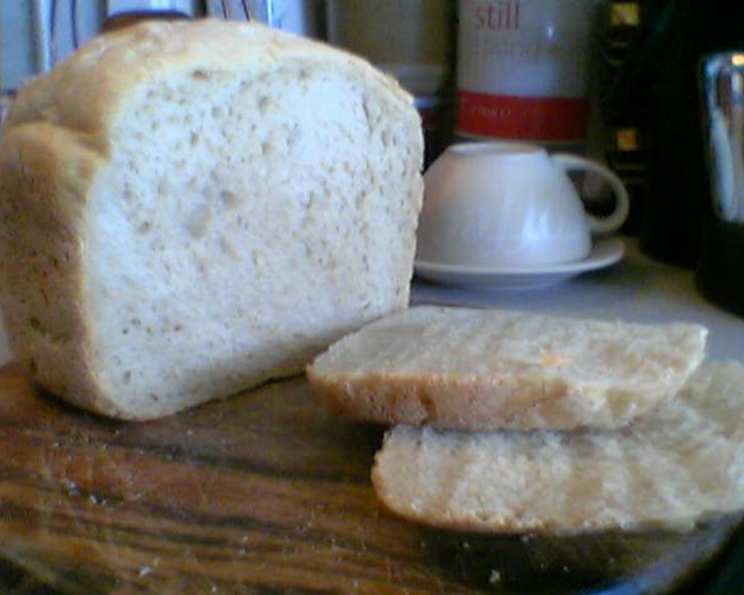
Small Ultra-Light Healthy French Bread Loaf (Abm) Bread Machine
The scent of fresh bread baking always transports me back to my grandmother’s kitchen. I can almost feel the warmth of the oven on my face as I peeked inside, watching her rustic loaves rise. This particular recipe, a smaller, healthier take on the classic French loaf, reminds me that even the simplest pleasures can be enjoyed in a mindful way, perfect for a cozy afternoon with a cup of tea.
Recipe Overview
- Prep Time: 5 minutes
- Cook Time: 47 minutes
- Total Time: 52 minutes
- Servings: 8
- Yields: 7-8 slices
- Dietary Type: Sugar-Free, Lactose-Free, Egg-Free, Low Fat, Low Calorie
Ingredients
- 210 ml water (At room temperature. Bottled spring water preferred but room-temperature tap water ok too)
- 1/4 teaspoon vitamin C powder (a.k.a. Ascorbic Acid powder, optional but strongly recommended)
- 1/2 tablespoon vegetable oil (about 3g) or 9 g butter
- 1 teaspoon salt (About 4g or 5g of Standard Table Salt. Preferably Lo-Salt or other Reduced-Sodium equivalent)
- 300 g strong white flour
- 2/3 teaspoon bread machine yeast (About 3g, standard bread machine yeast, if using sachets, not quite a full sachet)
Equipment Needed
- Bread machine
- Electronic kitchen scale
Instructions
-
Remove the bread pan from your bread machine and place it on an electronic kitchen scale. Zero the scale to ensure accurate measurements.
-
Carefully weigh and add the 210 ml of room-temperature water into the bread pan. It’s best to use bottled spring water for optimal taste, but room-temperature tap water works well too.
-
Next, add the 1/4 teaspoon of vitamin C powder. While optional, this ingredient acts as a fantastic flour improver and can help extend the bread’s freshness.
-
Add either 1/2 tablespoon of vegetable oil (about 3g) or 9g of butter to the pan.
-
Add 1 teaspoon of salt (approximately 4-5g). Using Lo-Salt or another reduced-sodium option is preferable.
-
Measure 300g of strong white flour and add it to the bread pan, ensuring the water is completely covered if possible.
-
Finally, measure 2/3 teaspoon of bread machine yeast (about 3g) and add it to the pan. If using a sachet, don’t add the entire thing! Consider creating a small well in the flour and pouring the yeast into it.
-
Place the bread pan back into the bread machine.
-
Select the French Loaf cycle on your bread machine. If a French Loaf cycle isn’t available, you can use the Wholewheat/Wholemeal cycle instead.
-
Select your desired crust setting/firmness if the machine requires it. A fairly firm crust works well for this loaf.
-
Start the bread machine.
-
The baking time will depend on your specific bread machine. This recipe was originally designed for a machine with a 6-hour French loaf cycle, but some machines can complete the cycle in as little as 2 3/4 hours. My bread machine takes 47 minutes to bake the bread.
-
When pouring the water, try to pour gently to avoid splashing the sides of the pan.
-
When adding the flour, try to cover the water completely, if possible.
-
If using yeast in sachet form, it is worth measuring it onto a teaspoon first and holding some of the sachet (depending on the sachet size).
Expert Tips & Tricks
- Water Temperature Matters: Using room-temperature water is crucial for proper gluten development in this French-style loaf. Avoid using cold water straight from the tap.
- Flour Improver: Vitamin C powder, available at most pharmacies, significantly improves the flour’s performance and helps the bread stay fresh longer. Don’t skip it!
- Yeast Adjustment: You may need to slightly adjust the amount of yeast depending on your bread machine and the flour you’re using. Monitor the rise during the first hour and adjust accordingly in future bakes. If the dough is rising too quickly, reduce the yeast slightly; if it’s rising too slowly, add a tiny bit more.
- Scale is Your Friend: Using an electronic kitchen scale for precise measurements, especially for the water and flour, will ensure consistent results every time.
- Don’t Overknead: Bread machines are generally good at kneading dough but keep an eye on the dough consistency during the kneading phase. The dough should be smooth and elastic, but not overly sticky or tough. If needed, you can stop the machine and make small adjustments to the hydration by adding a tiny bit of flour or water.
- Crust Control: For a darker, crispier crust, you can brush the top of the loaf with a little bit of milk or egg white (although it will no longer be egg-free) before the baking cycle begins.
Serving & Storage Suggestions
This small French bread loaf is perfect served warm with a simple pat of butter or a drizzle of olive oil. It’s an excellent accompaniment to soups, salads, or cheese boards.
To store any leftover bread, wrap it tightly in a clean kitchen towel or place it in a bread bag at room temperature. It will stay fresh for 2-3 days. For longer storage, slice the loaf and freeze it in an airtight container. When ready to use, thaw the slices at room temperature or toast them directly from frozen. Reheating in a warm oven can also revive the crust.
Nutritional Information
| Nutrient | Amount per Serving | % Daily Value |
|---|---|---|
| Calories | 179.7 kcal | – |
| Calories from Fat | 12 g | 7% |
| Total Fat | 1.4 g | 2% |
| Saturated Fat | 0.2 g | 1% |
| Cholesterol | 0 mg | 0% |
| Sodium | 302.9 mg | 12% |
| Total Carbohydrate | 35.9 g | 11% |
| Dietary Fiber | 1.3 g | 5% |
| Sugars | 0.1 g | 0% |
| Protein | 5 g | 9% |
Variations & Substitutions
- Whole Wheat: For a slightly heartier loaf, substitute up to half of the strong white flour with whole wheat flour. You may need to add a little extra water to compensate for the increased absorption of the whole wheat flour.
- Herb Infusion: Add a teaspoon of dried herbs like rosemary, thyme, or oregano to the dough for a flavorful twist.
- Garlic Bread: After baking, slice the loaf in half lengthwise and spread with garlic butter. Broil until golden brown and bubbly for homemade garlic bread.
- Olive Oil: For a more savory flavor profile, use high-quality olive oil instead of vegetable oil or butter.
- Gluten-Free: Replace the strong white flour with a gluten-free bread flour blend. Be sure to use a blend specifically designed for bread making, and you might need to adjust the liquid content for the best results.
FAQs (Frequently Asked Questions)
Q: Why is room temperature water important?
A: Room temperature water allows the yeast to activate properly and develop the gluten in the flour more effectively, resulting in a lighter and airier loaf.
Q: Can I use active dry yeast instead of bread machine yeast?
A: Yes, but you’ll need to activate the active dry yeast in warm water for about 5-10 minutes before adding it to the bread machine.
Q: What if my bread machine doesn’t have a French loaf cycle?
A: Use the Wholewheat/Wholemeal cycle as an alternative. Monitor the dough during the kneading and rising phases, and adjust baking time if needed.
Q: Can I add sugar to this recipe?
A: This recipe is designed to be sugar-free. Adding sugar will alter the taste and nutritional profile. If you prefer a sweeter loaf, start with a very small amount, like 1/2 teaspoon.
Q: How do I prevent the bread from sticking to the pan?
A: Ensure the bread pan is clean and dry before adding the ingredients. You can also lightly grease the pan with cooking spray or oil.
Final Thoughts
This small, healthy French bread loaf is more than just a recipe; it’s an invitation to slow down, savor the simple pleasures, and nourish your body with wholesome ingredients. I encourage you to give it a try, experiment with variations, and share your feedback. Imagine enjoying this warm loaf with a creamy tomato soup or a glass of your favorite red wine. Happy baking!