
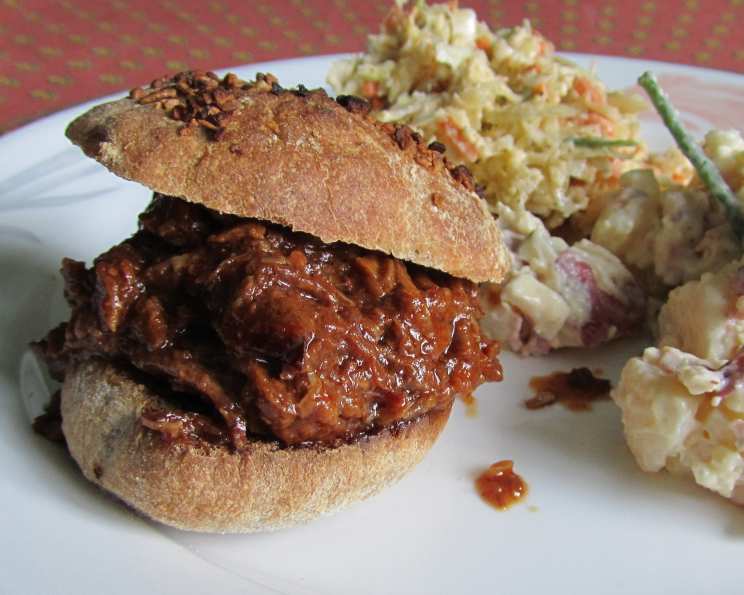
The Art of the Smoke: Crafting the Perfect Beef Brisket
The memory is etched in my mind: a summer barbecue, the air thick with the scent of smoldering hickory, and my grandfather, a true Texan, meticulously tending to his smoker. He’d emerge, hours later, with a platter piled high with the most succulent, melt-in-your-mouth beef brisket imaginable. The dark, crispy bark gave way to tender, smoky meat that pulled apart with the slightest effort. It wasn’t just food; it was an experience, a testament to patience, and a labor of love that I strive to replicate every time I fire up my smoker. Now, I want to share the secrets to achieve that perfect brisket, a culinary masterpiece that will have everyone clamoring for more.
Recipe Overview
- Prep Time: 30 minutes
- Cook Time: 7 hours 30 minutes
- Total Time: 8 hours
- Servings: 10
- Yield: Varies depending on brisket size
- Dietary Type: Generally suitable for Gluten-Free and Dairy-Free diets (check BBQ sauce ingredients)
Ingredients
For the Marinade:
- 1/3 cup brown sugar
- 1/3 cup dried papayas, chopped (or 1 cup fresh papaya, rough chopped)
- 1 tablespoon cajun seasoning (Cajun Spice Rub Mix Recipe)
- 1 teaspoon minced garlic
- 1 onion, rough chopped
- 2 tablespoons Worcestershire sauce
For the Brisket:
- 5 lbs beef brisket, flat cut (Score fat cap)
- Hickory chips (soaked overnight or at least 4 hours)
- 16 ounces beer
- 2 tablespoons butter
- Barbecue sauce (optional)
Equipment Needed
- Blender or Food Processor
- Well-sealed container
- Smoker
- Foil Pan
- Wire Rack
- Aluminum Foil
- Meat Thermometer
Instructions
-
Prepare the Marinade: Combine the brown sugar, dried papayas (or fresh), cajun seasoning, minced garlic, onion, and Worcestershire sauce in a blender or food processor. Blend until the mixture is semi-smooth.
-
Marinate the Brisket: Wash and thoroughly dry the beef brisket. Rub the prepared marinade all over the brisket, ensuring it’s evenly coated. Place the brisket in a well-sealed container and refrigerate overnight, allowing the flavors to penetrate the meat.
-
Prepare the Brisket for Smoking: The next morning, remove the brisket from the refrigerator and pat it dry with paper towels. This helps the smoke adhere better to the surface.
-
Prepare the Mop Sauce: Reserve the marinade from the previous step. Combine the reserved marinade with the beer in a saucepan. Simmer the mixture over medium heat for about 20 minutes to allow the flavors to meld and heat through. Stir in the butter until it melts completely. Let this mixture rest until needed for mopping.
-
Rest the Brisket: Allow the brisket to sit at room temperature for approximately 1 hour before placing it in the smoker. This helps the brisket cook more evenly.
-
Prepare the Smoker: Fire up your smoker, aiming for a consistent temperature of 200-225 degrees Fahrenheit.
-
Initial Smoking: Place the brisket, fat side up, in a foil pan set on a wire rack. This arrangement allows smoke to circulate around the brisket. Place the foil pan with the brisket into the smoker.
-
Mopping and Rotating: For the first 3 hours of smoking, rotate the brisket and mop it with the spice/beer mixture every hour. This keeps the brisket moist and infuses it with flavor.
-
Maintain Smoke: Add soaked hickory chips to the smoker every 30 minutes (or as needed) to maintain a consistent smoke flavor and temperature during the first 4 hours of smoking.
-
Wrapping: After the initial 3 hours, tightly wrap the brisket in aluminum foil. This step helps to retain moisture and prevent the brisket from drying out during the remainder of the cooking process.
-
Continue Smoking: Continue to smoke the wrapped brisket at 200-225 degrees Fahrenheit for approximately 4 more hours, for a total cooking time of about 7 hours. The general guideline is about 1 to 1 1/4 hours per pound of brisket.
-
Check for Doneness: Check the internal temperature of the brisket using a meat thermometer. The brisket is ready when it reaches an internal temperature of 190 degrees Fahrenheit. The probe should slide into the meat with very little resistance.
-
Resting Period: Once the brisket reaches the desired temperature, remove it from the smoker and let it rest, still wrapped in foil, for at least 1 hour. This resting period is crucial as it allows the juices to redistribute throughout the meat, resulting in a more tender and flavorful brisket.
-
Slicing and Serving: After resting, unwrap the brisket. Cut away any excess fat and discard it. Slice the beef across the grain into approximately 1/4-inch thick slices. This ensures that the meat is as tender as possible.
-
Serve: Serve the sliced brisket with your favorite barbecue sauce, if desired.
-
Make Ahead Tip: For easier slicing, the brisket can be made the day before, chilled, and then sliced thinly when cold.
Expert Tips & Tricks
- Fat Cap Scoring: Scoring the fat cap helps render the fat during smoking, contributing to a more flavorful and self-basting brisket.
- Soaking Wood Chips: Soaking your hickory chips overnight (or for at least 4 hours) prevents them from burning too quickly and produces a smoother, more consistent smoke.
- Maintaining Smoker Temperature: Invest in a good-quality thermometer for your smoker to ensure a consistent temperature throughout the cooking process. Fluctuations in temperature can negatively impact the brisket’s texture and flavor.
- The Importance of Resting: Don’t skip the resting period! It’s tempting to slice into the brisket immediately, but the rest allows the muscle fibers to relax and reabsorb the juices, resulting in a significantly more tender and flavorful final product.
- Don’t Overcook: The perfect brisket is tender but not falling apart. Start checking the internal temperature regularly after 6 hours to avoid overcooking.
Serving & Storage Suggestions
Serve your smoked beef brisket hot, sliced against the grain. It’s fantastic on its own or piled high on buns with your favorite barbecue sauce. Coleslaw, potato salad, baked beans, and cornbread are classic sides that complement brisket perfectly.
Leftover brisket can be stored in an airtight container in the refrigerator for up to 3-4 days. For longer storage, wrap the brisket tightly in freezer-safe wrap and freeze for up to 2-3 months. To reheat, thaw the brisket in the refrigerator overnight. You can reheat it in the oven at a low temperature (around 250°F) with a little beef broth to keep it moist, or in the microwave.
Nutritional Information
(Estimated per serving, without BBQ sauce)
| Nutrient | Amount per Serving | % Daily Value |
|---|---|---|
| Calories | 783 kcal | 39% |
| Total Fat | 62.5g | 96% |
| Saturated Fat | 25.7g | 128% |
| Cholesterol | 171.7mg | 57% |
| Sodium | 200mg | 8% |
| Total Carbohydrate | 10.7g | 3% |
| Dietary Fiber | 0.2g | 0% |
| Sugars | 7.9g | 31% |
| Protein | 38.8g | 77% |
Variations & Substitutions
- Spice Rub: Experiment with different spice rubs to create your own unique flavor profile. Consider adding smoked paprika, chili powder, or cumin for a Southwestern twist.
- Wood Choice: While hickory is a classic choice for brisket, you can also use other woods like oak, mesquite, or pecan. Each wood imparts a different flavor to the meat.
- Liquid for Mopping: Instead of beer, you can use apple cider vinegar, beef broth, or even a combination of the two for the mopping liquid.
- Sweetness Level: Adjust the amount of brown sugar in the marinade to control the sweetness level. You can also substitute honey or maple syrup for the brown sugar.
FAQs (Frequently Asked Questions)
Q: Why is resting the brisket so important?
A: Resting allows the muscle fibers to relax and reabsorb the juices, resulting in a much more tender and flavorful brisket. Skipping this step will lead to a drier, tougher result.
Q: How do I know when the brisket is done?
A: The best way to determine doneness is to use a meat thermometer. The brisket is ready when it reaches an internal temperature of 190 degrees Fahrenheit and a probe slides into the meat with little resistance.
Q: What does “slicing against the grain” mean, and why is it important?
A: Slicing against the grain means cutting perpendicular to the direction of the muscle fibers. This shortens the fibers, making the brisket much easier to chew and more tender.
Q: Can I use a different cut of beef for this recipe?
A: While you can technically use other cuts, the flat cut of beef brisket is specifically chosen for its marbling and connective tissue, which render beautifully during the long smoking process, resulting in a tender and flavorful final product. Other cuts may not yield the same results.
Q: What if I don’t have a smoker?
A: While a smoker is ideal, you can adapt this recipe for an oven. Use a roasting pan with a rack, and add liquid smoke to the marinade. Cook at a low temperature (225°F) for a similar amount of time, covering the brisket with foil for the majority of the cooking process.
Final Thoughts
Smoking a beef brisket is a labor of love, but the reward is well worth the effort. The rich, smoky flavor and tender texture of a perfectly cooked brisket are simply unparalleled. Don’t be intimidated by the long cooking time; with patience and attention to detail, you can create a barbecue masterpiece that will impress your family and friends. So, fire up your smoker, gather your ingredients, and embark on this culinary adventure. I encourage you to experiment with different spice rubs and wood choices to create your own signature brisket. And most importantly, don’t forget to share your delicious creation with those you love!