
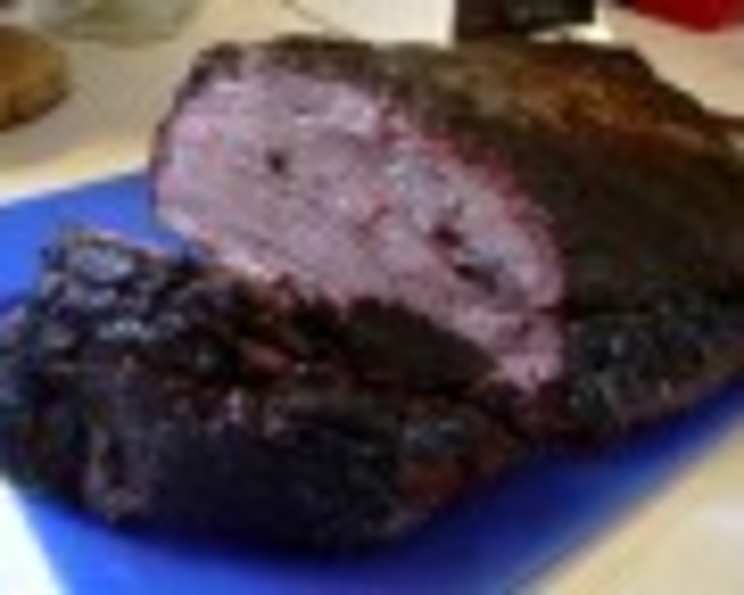
Smoked Brisket: South Texas Style
The smell of pecan smoke still transports me back to my grandfather’s ranch in South Texas. Every year for the Fourth of July, he’d wake up before dawn to get the brisket going, a tradition passed down through generations. The whole day would be filled with anticipation, the smoky aroma permeating the air as we played games and waited for that glorious, melt-in-your-mouth masterpiece. It wasn’t just food; it was a ritual, a celebration of family and heritage, and a testament to the simple pleasures of slow cooking.
Recipe Overview
- Prep Time: 15 minutes
- Cook Time: 10 hours
- Total Time: 10 hours 15 minutes
- Servings: 20
- Yield: 1 brisket
- Dietary Type: Varies (depending on butter)
Ingredients
- 10-12 lb beef brisket
- ½ cup butter (can substitute dairy-free butter)
- 2 cups brown sugar
Equipment Needed
- Smoker
- Wood for smoker (pecan recommended)
- Aluminum foil
Instructions
- Prepare your smoker. Get your smoker ready using your preferred wood. I highly recommend pecan for its subtly sweet and mellow flavor that complements the beef beautifully.
- Maintain optimal temperature. Strive for a cooking temperature between 200°F and 250°F throughout the smoking process. Consistent temperature is key to achieving tender and juicy results.
- Trim the brisket. Trim any excess fat from the beef brisket. While some fat is essential for flavor and moisture, too much can prevent the smoke from penetrating the meat effectively.
- Place brisket in smoker. Put the trimmed brisket directly onto the smoker grate.
- Slow smoke the brisket. Let the brisket slow smoke for 2 hours. Look for the development of a “smoke ring,” that beautiful pink layer just beneath the surface of the meat, which indicates proper smoke penetration.
- Remove from smoker. After 2 hours, take the brisket out of the smoker.
- Butter and brown sugar application. Rub the entire brisket down with the butter. Then generously coat it with the brown sugar. This creates a delicious crust and helps to tenderize the meat.
- Wrap in foil. Wrap the brisket tightly in aluminum foil. This will trap the moisture and allow the brisket to braise in its own juices, resulting in a super tender final product.
- Continue smoking (or baking). Place the wrapped brisket back in the smoker and cook for approximately 1 hour per pound, while maintaining the slow smoked temperature of 200°F to 250°F.
- Oven alternative (if needed). If maintaining a consistent temperature in your smoker proves challenging, you can transfer the wrapped brisket to a 225°F oven after the initial smoking period. This will provide more consistent heat for the remainder of the cooking time.
Expert Tips & Tricks
- The Importance of a Good Smoke Ring: Don’t stress too much about achieving a perfect smoke ring. It’s primarily aesthetic. Focus more on maintaining a steady temperature and using quality wood.
- Fat Side Up or Down?: There’s always a debate! Some prefer fat side up, believing the melting fat bastes the meat. Others prefer fat side down to protect the meat from direct heat. Experiment and see what works best for your smoker.
- Probe Tenderness is Key: The best way to check for doneness is by probing the brisket with a thermometer. It should slide in with little to no resistance when it reaches an internal temperature of around 203°F. However, temperature isn’t everything. It’s more about feel. It should feel like probing warm butter.
- Don’t Skip the Rest: After cooking, let the brisket rest, still wrapped, for at least an hour, or even longer in a cooler. This allows the juices to redistribute, resulting in a more tender and flavorful brisket.
Serving & Storage Suggestions
Let the brisket rest for at least an hour before slicing against the grain. Serve with your favorite barbecue sides like coleslaw, potato salad, or baked beans. Leftover brisket can be stored in the refrigerator for up to 3-4 days. For longer storage, freeze it in airtight containers. Reheat gently in the oven or microwave, adding a little broth or water to keep it moist. It is not recommended to leave cooked brisket at room temperature for longer than 2 hours.
Nutritional Information
| Nutrient | Amount per Serving | % Daily Value |
|---|---|---|
| Calories | 831 kcal | N/A |
| Calories from Fat | 583 kcal | N/A |
| Total Fat | 64.8 g | 99% |
| Saturated Fat | 27.2 g | 135% |
| Cholesterol | 177.8 mg | 59% |
| Sodium | 186.4 mg | 7% |
| Total Carbohydrate | 21.4 g | 7% |
| Dietary Fiber | 0 g | 0% |
| Sugars | 21.2 g | N/A |
| Protein | 38.5 g | 76% |
Note: Nutritional information is an estimate and can vary based on specific ingredients and cooking methods.
Variations & Substitutions
- Spicy Kick: Add a pinch of cayenne pepper or chili powder to the brown sugar rub for a bit of heat.
- Sweet and Tangy: Include a splash of apple cider vinegar or Worcestershire sauce in the butter mixture for a more complex flavor profile.
- Different Wood: Experiment with different types of wood like hickory or mesquite to achieve varying smoke flavors.
- Dairy-Free: Use a dairy-free butter substitute to make this recipe dairy-free.
- Brown Sugar Alternatives: Try using coconut sugar for a less processed alternative.
FAQs (Frequently Asked Questions)
Q: How do I know when the brisket is done?
A: The best way is to use a meat thermometer and probe for tenderness. It should feel like probing warm butter with very little resistance.
Q: Can I use a gas smoker for this recipe?
A: Yes, but you’ll need to add wood chips or chunks to create the smoke flavor. Ensure your gas smoker maintains a consistent temperature.
Q: What if my brisket is too dry?
A: Make sure to wrap the brisket tightly in foil and maintain a consistent temperature. You can also add a little beef broth or water to the foil before wrapping.
Q: How long should I rest the brisket?
A: At least one hour, but longer is better. You can even rest it in a cooler for several hours to allow the juices to redistribute.
Q: Can I use a smaller brisket?
A: Yes, just adjust the cooking time accordingly, using the 1 hour per pound rule as a guideline. Always check for tenderness with a probe.
Final Thoughts
There’s something truly special about the process of smoking a brisket. The low and slow cooking method transforms a tough cut of meat into a tender, flavorful masterpiece. I encourage you to give this South Texas style recipe a try. Don’t be intimidated by the long cooking time – the results are well worth the effort. Feel free to adjust the seasonings to your liking and find the perfect wood that complements your palate. Share your creations with family and friends, and let the smoky aroma fill your home with the promise of a delicious meal. Enjoy!