
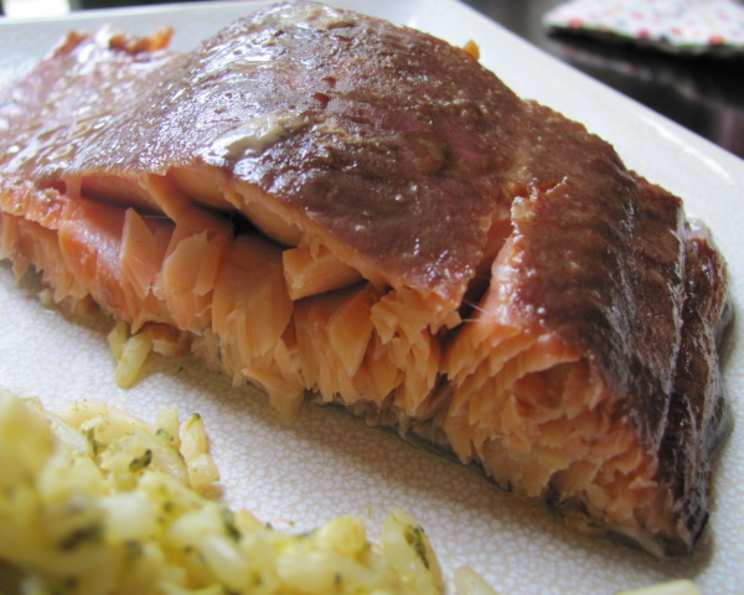
The Art of the Smoke: Crafting Perfect Smoked Fish
The memory of my grandfather’s weathered hands carefully tending his backyard smoker is forever etched in my mind. Every summer, the air around his home would be thick with the intoxicating aroma of smoldering wood and perfectly cured fish. He’d patiently supervise the smoking process, his eyes twinkling with a mix of pride and anticipation. He always said, “Good smoked fish isn’t just a meal; it’s a labour of love.” That love, passed down through generations, is what I hope to share with you today.
Recipe Overview
- Prep Time: 20 minutes
- Brining Time: 12 hours
- Cook Time: 6-8 hours
- Total Time: 18-20 hours
- Servings: Varies depending on fish size
- Yield: 3-5 pounds of smoked fish
- Dietary Type: Gluten-Free, Dairy-Free
Ingredients
- 3-5 lbs fish, roughly (salmon, whitefish, perch, or trout recommended)
Brine
- 1 gallon water
- 1 1/3 cups canning salt
- 2/3 cup brown sugar
Equipment Needed
- Large container for brining
- Smoker
- Charcoal
- Wood chips (apple, birch, or a combination)
- Meat thermometer (optional, but recommended)
- Wire rack or smoker grate
Instructions
- Prepare the Brine: In a large container, combine the water, canning salt, and brown sugar. Stir vigorously until the salt and sugar are completely dissolved. This is crucial to ensure even brining. Don’t rush this step!
- Prepare the Fish: Rinse the fish thoroughly under cold water. If using whole fish, you can either leave them whole or split them into halves. Splitting ensures more even smoking and makes serving easier.
- Brine the Fish: Submerge the fish completely in the brine solution. Ensure the fish remains submerged by placing a weight (like a plate with a jar filled with water) on top. Cover the container and refrigerate for approximately 12 hours. You can brine for a bit longer, but avoid exceeding 18 hours, as the fish can become overly salty.
- Prepare the Smoker: About an hour before the brining is complete, begin preparing your smoker. Start by placing charcoal in the designated area. Add a mix of old birch (with the bark removed) or apple wood to the charcoal. You can use just charcoal if preferred, but the wood adds a fantastic smoky flavour. Light the charcoal and allow it to burn until it reaches a consistent, moderate temperature. You’re aiming for a smoker temperature of around 175-225°F (80-107°C).
- Rinse and Dry the Fish: After brining, remove the fish from the solution and rinse it thoroughly under cold water to remove excess salt. Pat the fish completely dry with paper towels. This step is critical for forming a good pellicle (a tacky skin) on the surface of the fish, which helps the smoke adhere properly.
- Arrange the Fish in the Smoker: Place the fish directly on the smoker grate or a wire rack inside the smoker. Ensure there is adequate space between each piece of fish to allow for proper air circulation and even smoking.
- Smoke the Fish: Close the smoker lid and maintain a consistent temperature of 175-225°F (80-107°C) for approximately 6-8 hours. The exact smoking time will depend on the thickness of the fish and the temperature of your smoker. Be patient and monitor the fish closely. The fish is done when it flakes easily with a fork and reaches an internal temperature of 145°F (63°C). Use a meat thermometer to check the internal temperature if desired.
- Cool and Rest: Once the fish is smoked to perfection, remove it from the smoker and allow it to cool completely on a wire rack before serving or storing. This allows the smoky flavours to meld and prevents the fish from becoming mushy.
Expert Tips & Tricks
- Pellicle Perfection: Achieving a good pellicle is key to successful smoking. After rinsing and drying the fish, place it uncovered in the refrigerator for an hour or two before smoking to further dry the surface.
- Wood Choice Matters: Experiment with different types of wood to find your favourite flavour profile. Alder is a classic choice for salmon, while hickory adds a bolder, more intense smokiness.
- Maintain a Steady Temperature: Fluctuating temperatures can lead to uneven smoking and a less desirable texture. Use a reliable smoker thermometer and adjust vents as needed to maintain a consistent temperature.
- Don’t Over-Smoke: Over-smoking can result in a bitter taste. Start checking the fish for doneness after 5 hours and adjust the smoking time accordingly.
- Add moisture: Place a pan of water in the smoker to keep the fish moist during the cooking process.
Serving & Storage Suggestions
Smoked fish is incredibly versatile and can be enjoyed in countless ways. Serve it flaked on crackers with cream cheese and dill, toss it in a salad with mixed greens and a lemon vinaigrette, or enjoy it straight off the smoker.
- Freshly Smoked: Wonderful fresh off the smoker.
- Refrigeration: Smoked fish will keep in the refrigerator for up to one week when stored properly in an airtight container.
- Freezing: For longer storage, smoked fish can be frozen for up to three months. Wrap it tightly in plastic wrap and then place it in a freezer bag to prevent freezer burn.
- Reheating: While best enjoyed cold, smoked fish can be gently reheated in a low-temperature oven (around 200°F/93°C) or in a skillet over low heat. Be careful not to overcook it, as it can become dry.
Nutritional Information
Note: Nutritional information is an estimate and can vary based on the type of fish used and specific ingredients.
| Nutrient | Amount per Serving | % Daily Value |
|---|---|---|
| Calories | 250 kcal | 13% |
| Total Fat | 15g | 23% |
| Saturated Fat | 3g | 15% |
| Cholesterol | 75mg | 25% |
| Sodium | 800mg | 33% |
| Total Carbohydrate | 2g | 1% |
| Dietary Fiber | 0g | 0% |
| Sugars | 2g | |
| Protein | 25g | 50% |
Variations & Substitutions
- Spice It Up: Add a pinch of cayenne pepper or red pepper flakes to the brine for a spicy kick.
- Herbal Infusion: Infuse the brine with fresh herbs like dill, thyme, or rosemary for a more aromatic flavour.
- Maple Glaze: Brush the fish with a maple syrup glaze during the last hour of smoking for a sweet and smoky finish.
- Citrus Zest: Add lemon, orange, or grapefruit zest to the brine for a bright and refreshing flavour.
FAQs (Frequently Asked Questions)
Q: What type of fish works best for smoking?
A: Oily fish like salmon, mackerel, and trout are excellent choices due to their natural fat content, which helps keep them moist during the smoking process. However, whitefish, perch, and other leaner fish can also be smoked successfully with proper brining and smoking techniques.
Q: How do I know when the fish is done smoking?
A: The fish is done when it flakes easily with a fork and reaches an internal temperature of 145°F (63°C). The color should be a rich, golden-brown.
Q: Can I use a gas smoker instead of a charcoal smoker?
A: Yes, you can use a gas smoker. Follow the manufacturer’s instructions for adding wood chips to create smoke. Maintain a consistent temperature of 175-225°F (80-107°C).
Q: What if I don’t have time to brine the fish for 12 hours?
A: While 12 hours is ideal, you can brine the fish for a shorter period (at least 6 hours) if needed. Keep in mind that the flavor and texture may not be as pronounced.
Q: How do I prevent the fish from sticking to the smoker grate?
A: Make sure to thoroughly clean and oil the smoker grate before placing the fish on it. You can also use a smoker mat or parchment paper to prevent sticking.
Final Thoughts
Smoked fish is more than just a recipe; it’s an experience. It’s about the slow, deliberate process of transforming simple ingredients into something truly extraordinary. Whether you’re a seasoned smoker or a curious beginner, I encourage you to try this recipe and share the fruits of your labour with friends and family. And don’t hesitate to experiment with different types of fish, wood chips, and flavourings to create your own signature smoked fish masterpiece. The best part about cooking is to share, so gather your friends and family, and enjoy!