
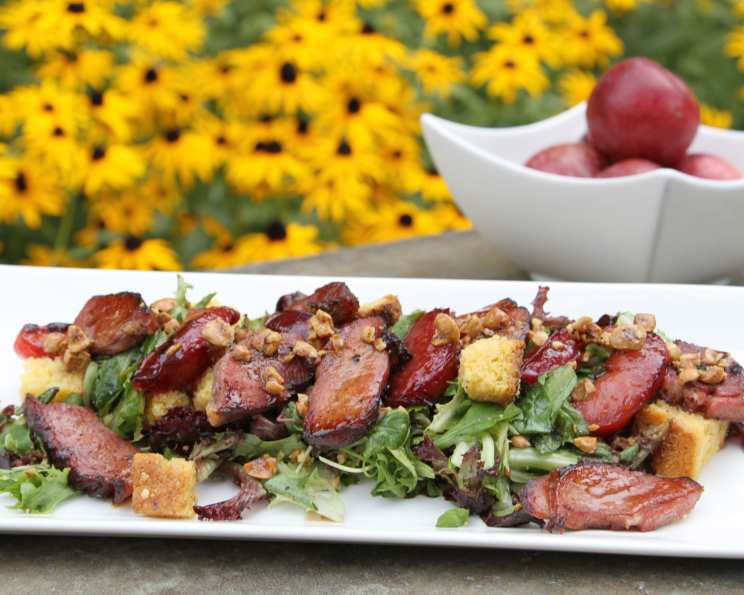
Smoked Lamb Ham: A Culinary Journey Back in Time
My grandmother, bless her heart, always had a knack for surprising us with unique culinary creations. One Easter, instead of the usual glazed ham, she presented us with a beautifully smoked leg of lamb, cured and seasoned with a blend of spices that filled the entire house with an unforgettable aroma. The rich, smoky flavor, combined with the tender texture of the lamb, was unlike anything I had ever tasted. It was a dish that spoke of patience, tradition, and a whole lot of love. Now, I share my version of that Easter inspiration.
Recipe Overview
- Prep Time: 30 minutes
- Brining Time: 8-14 hours
- Cook Time: Variable, until internal temperature reaches 155°F
- Total Time: Minimum 8 hours 30 minutes
- Servings: Varies based on lamb size
- Dietary Type: Not specified (contains meat, sugar, and salt)
Ingredients
- 1 (1 1/2 lb) boneless leg of lamb, butterflied to 2- to 3-inch thickness
- 3/4 cup kosher salt
- 3/4 ounce pink curing salt
- 3/4 cup granulated sugar
- 1/2 cup Bourbon
- 1/2 cup real maple syrup
- 1 tablespoon whole cloves
- 1 tablespoon chopped juniper berries
- 6 bay leaves
- 1 bunch fresh thyme
- 8 cups water
Equipment Needed
- Large saucepot
- Whisk
- Ice bath (large bowl)
- Large container for brining
- Plate (to weigh down lamb in brine)
- Butcher’s twine
- Smoker
- Meat thermometer
Instructions
- Begin by trimming the lamb of any sinew, gristle, or bone, but be sure to leave the fat. The fat will render during the smoking process, adding flavor and moisture.
- Prepare the brine: In a large saucepot, combine 8 cups of water, kosher salt, pink curing salt, granulated sugar, Bourbon, maple syrup, whole cloves, chopped juniper berries, bay leaves, and fresh thyme.
- Place the saucepot over high heat. Bring the mixture to a boil, whisking constantly to ensure the salt and sugar dissolve completely. This will create your curing brine.
- Remove the pot from the heat and cool the brine to room temperature. A quick way to do this is by using an ice bath: place the pot in a larger bowl filled with ice and water, stirring occasionally until the brine is cool.
- Place the lamb into a curing container, and then pour the cooled brine over it. If the lamb floats, use a plate or other weight to ensure it is fully submerged in the brine. This is crucial for proper curing.
- Cure the lamb in the refrigerator overnight, but no more than 14 hours. This timeframe allows the salt and spices to penetrate the meat without over-curing it, resulting in an unpleasantly salty end product.
- Remove the lamb from the brine and pat it dry with paper towels, removing any clinging herbs or spices. Discard the used brine.
- Leave the lamb uncovered at room temperature for 30 minutes. This will help the surface dry slightly, which promotes better smoke absorption during the smoking process.
- Roll the lamb into a uniform cylinder, with the fat-side out. This helps create a more even cook and attractive presentation.
- Secure the rolled lamb tightly with butcher’s twine at approximately 1-inch intervals. This will help the lamb hold its shape during smoking.
- Prepare your smoker according to the manufacturer’s instructions. The ideal smoking temperature is typically between 225°F and 250°F. Use your preferred wood chips for smoking; fruit woods like apple or cherry, or hardwoods like hickory or oak, all work well with lamb.
- Smoke the lamb until the internal temperature reaches 155°F. Use a meat thermometer inserted into the thickest part of the lamb to monitor the temperature. This may take several hours, depending on your smoker and the ambient temperature. Be patient and maintain a consistent smoking temperature.
- Once the lamb reaches 155°F, remove it from the smoker. Let it rest for at least 15-20 minutes before slicing and serving. This allows the juices to redistribute, resulting in a more tender and flavorful final product.
Expert Tips & Tricks
- For a deeper smoke flavor, consider using a combination of wood chips. Applewood and hickory pair exceptionally well with lamb.
- Don’t overcrowd your smoker. Ensure there is enough space around the lamb for the smoke to circulate freely.
- If the lamb starts to dry out during smoking, you can spritz it with apple juice or a mixture of Bourbon and water every hour. This will help keep it moist.
- To ensure even cooking, rotate the lamb in the smoker every few hours.
- If you don’t have a smoker, you can adapt this recipe for the oven. After curing and rolling the lamb, bake it in a 275°F oven until it reaches an internal temperature of 155°F. For a smoky flavor, add a few drops of liquid smoke to the brine.
Serving & Storage Suggestions
Serve the smoked lamb ham sliced thinly as part of a charcuterie board, in sandwiches, or as a main course alongside roasted vegetables and a flavorful sauce. A simple horseradish cream sauce or a mint chimichurri complements the rich flavor of the lamb perfectly.
Leftover smoked lamb ham can be stored in an airtight container in the refrigerator for up to 3-4 days. For longer storage, wrap the lamb tightly in plastic wrap and then in aluminum foil, and freeze for up to 2-3 months. To reheat, thaw the lamb in the refrigerator overnight and then gently warm it in a low oven (250°F) or microwave until heated through.
Nutritional Information
| Nutrient | Amount per Serving | % Daily Value* |
|---|---|---|
| Calories | ~550 kcal | ~28% |
| Total Fat | ~35g | ~54% |
| Saturated Fat | ~15g | ~75% |
| Cholesterol | ~130mg | ~43% |
| Sodium | ~2500mg | ~104% |
| Total Carbohydrate | ~40g | ~13% |
| Dietary Fiber | ~1g | ~4% |
| Sugars | ~35g | ~70% |
| Protein | ~40g | ~80% |
*Percentages are based on a 2,000 calorie diet. Nutritional information is an estimate and may vary based on specific ingredients and serving size.
Variations & Substitutions
- For a spicier version, add a pinch of red pepper flakes to the brine.
- Experiment with different types of wood chips to customize the smoke flavor.
- If you don’t have Bourbon, you can substitute it with another type of whiskey or dark rum.
- For a sweeter ham, increase the amount of maple syrup in the brine.
- Instead of juniper berries, try using rosemary or other aromatic herbs.
FAQs (Frequently Asked Questions)
Q: What is pink curing salt, and why is it used?
A: Pink curing salt, also known as Prague powder #1 or Instacure #1, contains sodium nitrite, which inhibits the growth of bacteria and helps preserve the color and flavor of cured meats. It’s crucial for food safety in cured products like ham.
Q: Can I use a different cut of lamb for this recipe?
A: While a boneless leg of lamb is recommended, you could potentially use a boneless shoulder of lamb. However, the cooking time may need to be adjusted, and the final texture may be slightly different.
Q: How do I know when the lamb is done smoking?
A: The most reliable way to check for doneness is to use a meat thermometer. Insert it into the thickest part of the lamb, ensuring it doesn’t touch any bone. The lamb is done when it reaches an internal temperature of 155°F.
Q: What if my lamb is too salty after curing?
A: If you find that your lamb is too salty after curing, you can soak it in fresh water for a few hours before smoking. Change the water every hour to help draw out the excess salt.
Q: Can I make this recipe ahead of time?
A: Yes, you can cure the lamb a day or two in advance and store it in the refrigerator. However, it’s best to smoke the lamb on the day you plan to serve it for the best flavor and texture.
Final Thoughts
Creating this Smoked Lamb Ham is more than just following a recipe; it’s about embracing a tradition and crafting a dish that’s both comforting and unforgettable. I encourage you to try this recipe, experiment with different flavors, and share your creations with friends and family. Pair it with a crisp Sauvignon Blanc or a robust Pinot Noir to elevate the dining experience. I truly believe that sharing exceptional food is a way to show love and appreciation, and I hope this recipe brings joy to your table. Don’t hesitate to share your feedback and experiences – I’m always eager to hear how it turns out!