
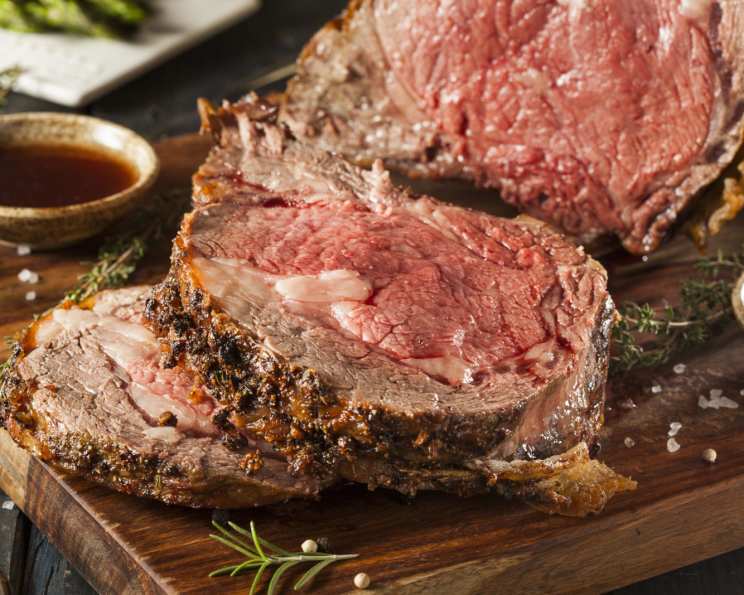
Smoked Prime Rib: A Culinary Masterpiece
The memory is etched in my mind: Fourth of July, sun blazing, the smell of charcoal and hickory smoke hanging heavy in the air. My grandfather, a man of few words but immense culinary skill, would be stationed by his trusty smoker, tending to a magnificent prime rib. He’d baste it with a secret blend of wine and spices, patiently coaxing the meat to a smoky, tender perfection. The entire family would gather, anticipation building with each passing hour, knowing that the feast to come was a testament to his love and dedication. This recipe is my attempt to recreate that magic, to share a piece of my family history with you.
Recipe Overview
- Prep Time: 15 minutes
- Cook Time: 6 hours
- Total Time: 6 hours 15 minutes
- Servings: 10
- Dietary Type: Gluten-Free, Dairy-Free
Ingredients
- 4 cloves garlic, minced
- 2 tablespoons salt
- 1 tablespoon fresh coarse ground black pepper
- 1 teaspoon dried rosemary
- 1 teaspoon dried thyme
- 6 lbs beef rib roast
- 1 ½ cups dry red wine
- 1 ½ cups red wine vinegar
- ½ cup olive oil
- Hickory chips
Equipment Needed
- Smoker
- Water pan
- Small bowl
- Large bowl
- Meat thermometer
Instructions
-
Begin by preparing your hickory chips. Soak them in a container of water for at least 1 hour. This step is crucial for creating that signature smoky flavor without the chips igniting too quickly.
-
While the chips are soaking, prepare the spice rub. In a small bowl, combine the minced garlic, salt, black pepper, dried rosemary, and dried thyme. Stir thoroughly to ensure an even distribution of the spices.
-
Now, it’s time to generously season the beef rib roast. Rub the spice mixture evenly over the entire surface of the roast, ensuring every nook and cranny is covered. This creates a flavorful crust during the smoking process.
-
Next, prepare the wine baste. In a large bowl, combine the dry red wine, red wine vinegar, and olive oil. Stir well to mix all the ingredients. Set this aside for basting the roast later.
-
Prepare your smoker for indirect cooking. Build a charcoal fire and allow it to burn for 15-20 minutes, until the coals are covered with a light gray ash. This ensures a steady and even heat.
-
Drain the soaked hickory wood chips and place them directly onto the hot coals. The moisture in the chips will create a flavorful smoke that infuses the prime rib.
-
Place the water pan inside the smoker. Fill the water pan with water to just below the fill line. Maintaining a consistent level of humidity inside the smoker is key to keeping the roast moist and tender. Replenish the water as needed during the smoking process.
-
Position the beef rib roast in the center of the lower food rack inside the smoker. Ensure the roast is not directly over the heat source to prevent burning.
-
Slowly pour the red wine mixture over the beef roast, allowing the liquid to coat the entire surface. This basting process adds moisture and flavor throughout the smoking process.
-
Close the smoker lid and cook the roast, covered, for approximately 6 hours, or until a meat thermometer inserted into the thickest part of the roast registers 145 degrees Fahrenheit for medium-rare. Maintaining a consistent temperature inside the smoker is crucial. Ideally, aim for a temperature between 225-250 degrees Fahrenheit.
-
Throughout the smoking process, monitor the water level in the water pan and add more water as needed to maintain the humidity inside the smoker. This helps to prevent the roast from drying out.
-
Once the beef rib roast reaches the desired internal temperature, carefully remove it from the smoker.
-
Allow the roast to rest for at least 15 minutes before slicing. This allows the juices to redistribute throughout the meat, resulting in a more tender and flavorful final product. Tent loosely with foil to retain heat.
-
Carve the prime rib against the grain into slices of your desired thickness. Serve immediately and enjoy!
Expert Tips & Tricks
- For an even more intense smoky flavor, consider using a combination of hickory and apple wood chips. The apple wood adds a subtle sweetness that complements the richness of the beef.
- Don’t be afraid to experiment with the spice rub. Adding a pinch of smoked paprika or garlic powder can add depth and complexity to the flavor profile.
- If you find that the outside of the roast is browning too quickly, you can wrap it loosely in foil for part of the smoking process. This will help to prevent it from burning.
- Use a reliable meat thermometer to accurately monitor the internal temperature of the roast. This is the key to achieving the perfect level of doneness. Digital thermometers are very accurate.
- To get the best sear after the smoking process you can sear the prime rib in a hot cast iron pan. This will add some color and texture to the outside of the roast.
Serving & Storage Suggestions
Serve the smoked prime rib hot, accompanied by your favorite sides such as mashed potatoes, roasted vegetables, or Yorkshire pudding. The smoky flavor pairs exceptionally well with creamy sauces such as horseradish cream or au jus.
Leftover smoked prime rib can be stored in an airtight container in the refrigerator for up to 3-4 days. To reheat, wrap the slices in foil and warm them gently in a low oven (around 250 degrees Fahrenheit) until heated through. You can also freeze leftover prime rib for longer storage. Wrap the slices tightly in plastic wrap and then place them in a freezer bag. Frozen prime rib can be stored for up to 2-3 months. Thaw overnight in the refrigerator before reheating.
Nutritional Information
| Nutrient | Amount per Serving | % Daily Value |
|---|---|---|
| Calories | 139 kcal | N/A |
| Calories from Fat | 98 kcal | N/A |
| Total Fat | 10.9 g | 16% |
| Saturated Fat | 1.5 g | 7% |
| Cholesterol | 0 mg | 0% |
| Sodium | 702.9 mg | 29% |
| Total Carbohydrate | 2.6 g | 0% |
| Dietary Fiber | 0.6 g | 2% |
| Sugars | 0.2 g | 0% |
| Protein | 0.3 g | 0% |
Variations & Substitutions
- For a richer flavor, substitute beef broth for some of the red wine in the basting mixture.
- If you don’t have dried rosemary or thyme on hand, you can use Italian seasoning blend as a substitute.
- For a spicier kick, add a pinch of red pepper flakes to the spice rub.
- If you don’t have red wine vinegar, you can substitute apple cider vinegar or white wine vinegar.
- For a sweeter glaze, try using maple syrup as a substitute for the red wine.
FAQs (Frequently Asked Questions)
Q: Can I use a different type of wood for smoking?
A: Absolutely! While hickory provides a classic smoky flavor, you can experiment with other woods like apple, pecan, or mesquite to create different flavor profiles.
Q: How do I prevent the prime rib from drying out during the smoking process?
A: Maintaining a consistent level of humidity inside the smoker by keeping the water pan filled is key to preventing the roast from drying out. Basting with the wine mixture also helps to keep the meat moist.
Q: What temperature should the smoker be?
A: Aim for a consistent temperature between 225-250 degrees Fahrenheit. This low and slow cooking method ensures a tender and flavorful prime rib.
Q: How long should I rest the prime rib after smoking?
A: Allow the roast to rest for at least 15 minutes before slicing. This allows the juices to redistribute throughout the meat, resulting in a more tender and flavorful final product.
Q: Can I smoke a prime rib that is larger or smaller than 6 lbs?
A: Yes, but you’ll need to adjust the cooking time accordingly. Use a meat thermometer to accurately monitor the internal temperature of the roast, and increase or decrease the cooking time as needed.
Final Thoughts
Smoking a prime rib may seem like a daunting task, but with a little patience and attention to detail, you can create a culinary masterpiece that will impress your friends and family. Don’t be afraid to experiment with different flavors and techniques to make this recipe your own. I encourage you to try this recipe and share your creations with others. Pair it with a bold red wine and some good company for a truly unforgettable meal. Bon appétit!