
The Secret to Unforgettable Smoked Salmon: A Chef’s Guide
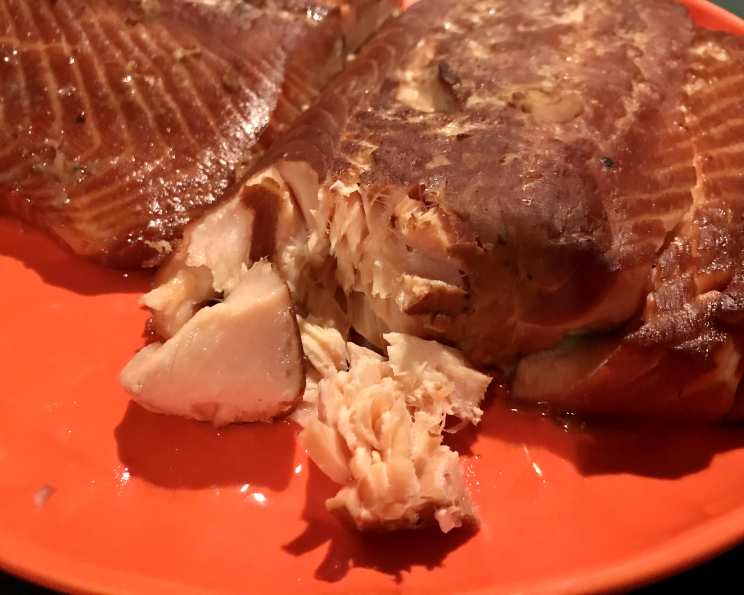
There’s something deeply evocative about the aroma of smoked salmon. It instantly transports me back to family gatherings during the holidays. I remember, as a child, eagerly awaiting the moment my grandfather would unveil his own homemade batch. The glistening, ruby-red fillets, fragrant with smoke and a hint of sweetness, were always the star of the show – a testament to his patience and dedication. The taste, a symphony of savory, smoky, and subtly sweet notes, remains etched in my memory as the quintessential flavor of celebration. Now, I’m going to share a recipe that reminds me of his.
Recipe Overview
- Prep Time: 24 hours, 30 minutes
- Cook Time: 3-5 hours
- Total Time: 27 hours, 30 minutes – 29 hours, 30 minutes
- Servings: Varies based on fillet size
- Yield: 4 Fillets
- Dietary Type: Pescatarian, Gluten-Free, Dairy-Free
Ingredients
- 1 cup water
- 1 cup dry white wine
- 2 cups soy sauce
- 1/2 teaspoon Tabasco sauce
- 1/2 teaspoon onion powder
- 1/2 teaspoon garlic powder
- 1/2 teaspoon pepper
- 1/3 cup sugar
- 1/4 cup non-iodized salt
- 3-4 lbs salmon fillets (with skin)
Equipment Needed
- Large bowl
- Large, deep pan (non-reactive)
- Paper towels
- Smoker
Instructions
-
Prepare the Brine: In a large bowl, thoroughly mix together the water, dry white wine, soy sauce, Tabasco sauce, onion powder, garlic powder, pepper, sugar, and non-iodized salt. Whisk until the sugar and salt are completely dissolved. This brine is the key to imparting flavor and moisture to the salmon.
-
Brine the Salmon: Place the salmon fillets in a large, deep, non-reactive pan. Pour the brine mixture over the fillets, ensuring they are fully submerged. You may need to weigh them down with a plate to keep them submerged. Cover the pan and refrigerate for at least 24 hours, or overnight. This allows the salmon to absorb the flavors of the brine and helps to firm up the flesh.
-
Rinse and Dry: After brining, remove the salmon fillets from the pan and rinse them thoroughly under cold water to remove excess salt. This is a crucial step to prevent the final product from being overly salty.
-
Air Dry: Pat the salmon fillets completely dry with paper towels. Place them on a wire rack and allow them to air dry, uncovered, in the refrigerator for at least one hour prior to smoking. This process forms a pellicle – a tacky, protein-based layer on the surface of the salmon – which is essential for the smoke to adhere properly and create a beautiful, glossy finish.
-
Prepare the Smoker: Preheat your smoker to 165°F (74°C). Ensure your smoker is clean and properly fueled with your choice of wood chips or pellets. Alder, apple, or maple wood are excellent choices for smoking salmon, as they impart a mild, slightly sweet flavor that complements the fish perfectly.
-
Smoke the Salmon: Lay the salmon fillets directly on the smoker rack, skin side down. Maintain a consistent temperature of 165°F (74°C) throughout the smoking process.
-
Monitor for Doneness: Cook the salmon fillets in the smoker for 3-5 hours, or until they reach an internal temperature of 145°F (63°C). The cooking time will vary depending on the thickness of your fillets and the efficiency of your smoker. A good rule of thumb is to start checking for doneness after 3 hours and then every 30 minutes until it’s ready. The salmon is done when it flakes easily with a fork and the internal temperature is reached.
Expert Tips & Tricks
- Use High-Quality Salmon: The quality of your salmon will greatly impact the final result. Opt for fresh, sustainably sourced salmon with a vibrant color and firm texture.
- Don’t Over-Brine: While brining is essential, over-brining can result in overly salty salmon. Adhering to the recommended brining time is crucial.
- Pellicle is Key: Do not skip the air-drying step! The pellicle is vital for smoke adherence and a beautiful finish. A properly formed pellicle will feel slightly tacky to the touch.
- Maintain Consistent Temperature: Maintaining a consistent temperature in your smoker is crucial for even cooking and optimal smoke penetration. Use a reliable thermometer to monitor the temperature closely.
- Add a Touch of Sweetness: For a hint of sweetness, consider adding a glaze of maple syrup or honey during the last hour of smoking.
Serving & Storage Suggestions
Smoked salmon is incredibly versatile. Serve it thinly sliced on bagels with cream cheese, alongside scrambled eggs for a decadent brunch, or as a stunning appetizer with crackers and dill cream. It also makes a fantastic addition to salads, pasta dishes, and even pizzas.
To store leftover smoked salmon, wrap it tightly in plastic wrap and then store it in an airtight container in the refrigerator. It will keep for up to 3-4 days. For longer storage, you can freeze it for up to 2-3 months. Thaw frozen smoked salmon in the refrigerator overnight before serving. I don’t recommend freezing, as it can affect the texture.
Nutritional Information
| Nutrient | Amount per Serving | % Daily Value |
|---|---|---|
| Calories | 635.3 kcal | N/A |
| Calories from Fat | 136 g | 21% |
| Total Fat | 15.2 g | 23% |
| Saturated Fat | 2.8 g | 13% |
| Cholesterol | 156.9 mg | 52% |
| Sodium | 10731.1 mg | 447% |
| Total Carbohydrate | 26.9 g | 8% |
| Dietary Fiber | 1.3 g | 5% |
| Sugars | 19.7 g | 78% |
| Protein | 85.2 g | 170% |
Variations & Substitutions
- Spice it Up: Add a pinch of cayenne pepper or red pepper flakes to the brine for a spicier kick.
- Citrus Infusion: Incorporate citrus zest (lemon, orange, or grapefruit) into the brine for a bright, aromatic flavor.
- Herbal Enhancement: Add fresh herbs like dill, thyme, or rosemary to the brine for an herbaceous twist.
- Maple-Glazed Salmon: During the last hour of smoking, brush the salmon with a mixture of maple syrup and Dijon mustard for a sweet and tangy glaze.
- Vodka Infusion: Replace some of the white wine in the brine with vodka for a smoother flavor profile.
FAQs (Frequently Asked Questions)
Q: Can I use iodized salt instead of non-iodized salt?
A: No, iodized salt can impart a metallic taste to the salmon. It’s best to use non-iodized salt for a cleaner flavor.
Q: What type of wood chips are best for smoking salmon?
A: Alder, apple, and maple wood chips are excellent choices for smoking salmon, as they impart a mild, slightly sweet flavor that complements the fish perfectly. Avoid using strong woods like hickory or mesquite, as they can overpower the delicate flavor of the salmon.
Q: How do I know when the salmon is done?
A: The salmon is done when it flakes easily with a fork and reaches an internal temperature of 145°F (63°C). Use a reliable meat thermometer to ensure accurate temperature readings.
Q: Can I use frozen salmon for this recipe?
A: Yes, you can use frozen salmon, but make sure to thaw it completely in the refrigerator before brining. Pat it dry before starting the process.
Q: How long will the smoked salmon last?
A: Properly stored smoked salmon will last for up to 3-4 days in the refrigerator or 2-3 months in the freezer.
Final Thoughts
This recipe for smoked salmon is a testament to the simple pleasures of life. It is a process that requires patience and attention, but the reward is a culinary masterpiece that will impress your friends and family. I urge you to try this recipe and experience the unparalleled flavor of homemade smoked salmon. Experiment with different variations and share your creations with loved ones. It is a tradition worth sharing and one that will undoubtedly create lasting memories. Pair it with a crisp white wine, like a Sauvignon Blanc or Pinot Grigio, for the ultimate indulgence. Enjoy!