
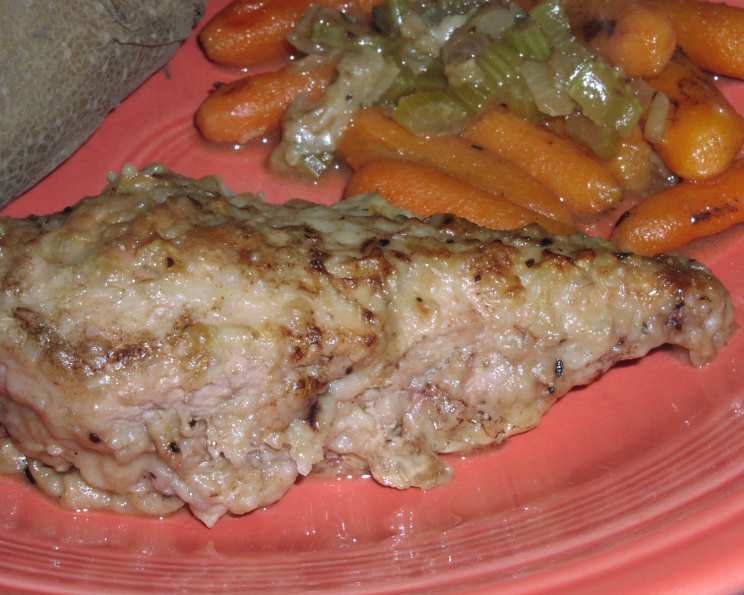
Smothered Pheasant or Grouse: A Taste of the Wild
The scent of woodsmoke always takes me back. Back to crisp autumn days, the crunch of leaves underfoot, and the quiet anticipation of a successful hunt. My grandfather, a man of few words but immense skill, would often bring home pheasant or grouse. While he cleaned the birds with practiced hands, my grandmother would begin preparing a feast – most often a hearty, comforting dish like this smothered pheasant. The aroma of browned butter, sautéed onions, and slow-cooked game filled the farmhouse, promising warmth and satisfaction after a day spent in the fields.
Recipe Overview
- Prep Time: 15 minutes
- Cook Time: 1 hour
- Total Time: 1 hour 15 minutes
- Servings: 4-6
- Yield: 1 casserole
- Dietary Type: Gluten-Free (optional, see variations)
Ingredients
- 2 pheasants (or 4 grouse)
- 1 tablespoon salt
- ½ cup flour
- 4 tablespoons butter, divided
- ¼ cup chopped celery
- ¼ cup chopped onion
- ½ cup water, boiling
Equipment Needed
- Large skillet
- Shallow baking pan
- Brown paper bag
- Wax paper
Instructions
- Begin by preparing your game birds. Skin, wash, and quarter the pheasant or grouse.
- Preheat your oven to 350°F (175°C). Ensure the oven rack is positioned in the center.
- In a brown paper bag, combine the flour and salt. This simple coating adds flavor and helps the meat brown beautifully.
- Working in batches of two pieces at a time, shake the meat pieces in the bag until they are thoroughly coated in the flour mixture. This ensures even browning and helps to thicken the sauce later on.
- Melt 2 tablespoons of butter in a large skillet over medium heat. The butter adds richness and flavor, creating a delicious base for the dish.
- Add the chopped celery and onion to the skillet and sauté until they are tender and translucent, about 5-7 minutes. These aromatics infuse the dish with a savory depth.
- Transfer the sautéed celery and onion to a shallow baking pan. Spread them evenly across the bottom of the pan to create a flavorful bed for the meat.
- Melt the remaining 2 tablespoons of butter in the same skillet. Ensure the skillet is hot enough to achieve a good sear on the meat.
- Add the floured meat pieces to the skillet, ensuring not to overcrowd the pan. Brown the meat on all sides. Browning the meat is crucial for developing a rich, complex flavor. Work in batches if necessary.
- Once the meat is browned, remove it from the skillet and arrange it on top of the sautéed vegetables in the baking pan.
- Pour the boiling water into the baking pan. This will create steam and help to tenderize the meat as it bakes.
- Cover the baking pan tightly with a sheet of wax paper. This helps to trap moisture and prevent the meat from drying out during baking.
- Bake in the preheated oven for 1 hour, or until the meat is tender and easily pulls away from the bone. Check for doneness by inserting a fork into the thickest part of the meat; it should be tender and offer little resistance.
- Remove from the oven and serve immediately.
Expert Tips & Tricks
- Achieve Maximum Browning: For an even deeper, richer flavor, pat the pheasant or grouse pieces dry with paper towels before dredging them in the flour mixture. This helps to ensure optimal browning in the skillet. Don’t overcrowd the pan while browning the meat; work in batches to maintain high heat.
- Deglaze for Extra Flavor: After browning the pheasant or grouse, deglaze the skillet with a splash of dry sherry or white wine. Scrape up any browned bits from the bottom of the pan to add even more flavor to the dish.
- Vegetable Variations: Feel free to add other vegetables to the sauté, such as diced carrots, mushrooms, or bell peppers. These additions will enhance the flavor and nutritional value of the dish.
- Thickening the Sauce: If you prefer a thicker sauce, remove the pheasant or grouse from the baking pan after baking. In a small saucepan, whisk together 1 tablespoon of cornstarch with 2 tablespoons of cold water. Slowly add the cornstarch slurry to the pan juices, whisking constantly, and bring to a simmer over medium heat. Cook until the sauce has thickened to your desired consistency. Pour the thickened sauce over the pheasant or grouse before serving.
- Make-Ahead Tip: The pheasant or grouse can be browned and placed in the baking dish with the vegetables a day ahead of time. Store covered in the refrigerator. Add the boiling water and bake as directed when ready to serve.
Serving & Storage Suggestions
Serve the smothered pheasant or grouse hot, straight from the oven. This dish pairs beautifully with wild rice, mashed potatoes, or creamy polenta. Consider adding a side of steamed green beans or asparagus for a vibrant pop of color and freshness.
Leftovers can be stored in an airtight container in the refrigerator for up to 3 days. To reheat, gently warm the pheasant or grouse in a skillet over low heat, adding a splash of water or broth if necessary to prevent drying out. Alternatively, you can reheat it in a preheated oven at 300°F (150°C) until heated through. Freezing is not recommended, as it can affect the texture of the meat.
Nutritional Information
| Nutrient | Amount per Serving | % Daily Value |
|---|---|---|
| Calories | 450 kcal | 23% |
| Total Fat | 25g | 38% |
| Saturated Fat | 10g | 50% |
| Cholesterol | 150mg | 50% |
| Sodium | 700mg | 30% |
| Total Carbohydrate | 15g | 5% |
| Dietary Fiber | 2g | 7% |
| Sugars | 3g | – |
| Protein | 40g | 80% |
Note: Nutritional information is an estimate and can vary based on specific ingredients and portion sizes.
Variations & Substitutions
- Gluten-Free: To make this dish gluten-free, simply substitute the all-purpose flour with a gluten-free flour blend. Ensure the blend contains xanthan gum for optimal texture.
- Dairy-Free: For a dairy-free version, use olive oil or coconut oil in place of the butter.
- Wine Infusion: As previously mentioned in the expert tips, try adding a dry Sherry or white wine for deglazing! This will add a slightly acidic tone, while boosting the overall sweetness of the dish.
FAQs (Frequently Asked Questions)
Q: Can I use bone-in chicken thighs instead of pheasant or grouse?
A: Yes, bone-in chicken thighs make a good substitute. Adjust the cooking time as needed until the chicken is cooked through.
Q: What is the best way to ensure the pheasant or grouse is tender?
A: Slow cooking at a low temperature is key. Be sure to cover the baking pan to trap moisture.
Q: Can I add other herbs to the dish?
A: Absolutely! Fresh thyme, rosemary, or sage would complement the flavors beautifully. Add them to the skillet along with the celery and onion.
Q: What if I don’t have wax paper?
A: Parchment paper can be used as a substitute for wax paper. You can also use aluminum foil, but make sure to create a small vent to allow steam to escape.
Q: How do I prevent the meat from drying out during baking?
A: Ensure the baking pan is tightly covered. Adding a little extra water or chicken broth to the pan can also help to keep the meat moist.
Final Thoughts
Smothered pheasant or grouse is more than just a recipe; it’s a connection to tradition and a celebration of simple, honest flavors. This comforting dish is perfect for a cozy weeknight dinner or a special occasion. I encourage you to try this recipe and experience the taste of the wild. Don’t be afraid to experiment with different herbs and vegetables to create your own unique variation. And most importantly, share your culinary creations with friends and family – the joy of cooking is best when shared.