
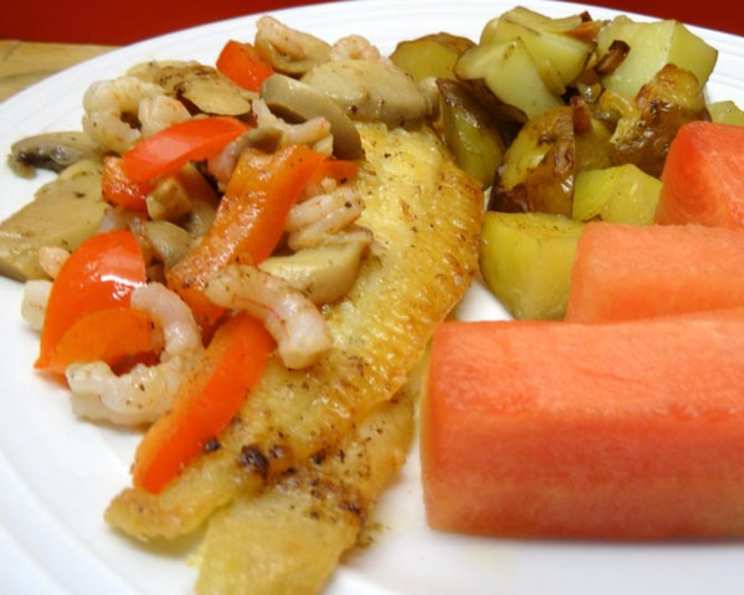
Snapper Dr. Louis: A Gulf Coast Classic
My first encounter with Snapper Dr. Louis wasn’t in a fancy restaurant, but at a bustling fish shack overlooking Galveston Bay. The salty air mingled with the aroma of sizzling butter and fresh seafood, creating an irresistible symphony. I watched as the cook, a weathered man with a twinkle in his eye, expertly sautéed the snapper, creating this iconic dish. Each bite of the flaky fish, bathed in the savory wine sauce and topped with sweet crabmeat, transported me to a place of pure culinary bliss. This dish, simple yet elegant, perfectly captures the essence of the Gulf Coast.
Recipe Overview
- Prep Time: 10 minutes
- Cook Time: 15 minutes
- Total Time: 25 minutes
- Servings: 2
- Yield: 2 fillets
- Dietary Type: Pescatarian
Ingredients
- 2 (8 ounce) filets red snapper
- Flour (for dredging)
- Salt and pepper
- 3 tablespoons butter
- 1/3 cup lump crabmeat
- 1/2 red bell pepper, sliced
- 2/3 cup sliced mushrooms
- 1 tablespoon lemon juice
- 1/2 cup white wine
Equipment Needed
- Large sauté pan
- Serving plates
Instructions
-
Season the red snapper filets generously with salt and pepper. Lightly dredge each filet in flour, shaking off any excess. This helps create a beautiful golden crust when sautéing.
-
In a large sauté pan, melt the butter over medium-high heat. Be careful not to burn the butter; it should be shimmering and fragrant.
-
Carefully place the dredged snapper filets into the hot pan. Sauté for approximately 2 minutes on each side, or until golden brown and cooked through. The internal temperature of the fish should reach 145°F (63°C). Avoid overcrowding the pan; if necessary, cook the filets in batches.
-
Add the sliced red bell pepper and mushrooms to the pan around the fish. Sauté for 3 minutes, stirring occasionally, until the vegetables are tender-crisp. The peppers should soften slightly, and the mushrooms should release their earthy aroma.
-
Turn the snapper filets and add the white wine and lemon juice to the pan. Allow the sauce to reduce for 2 to 3 minutes, gently scraping up any browned bits from the bottom of the pan (this process is called deglazing and adds incredible flavor). The sauce should thicken slightly and become glossy.
-
Remove the snapper filets from the pan and place them onto the serving plates.
-
Add the lump crabmeat to the remaining sauce in the pan. Sauté with the other ingredients just until the crabmeat is heated through, about 1 minute. Be careful not to overcook the crabmeat, as it can become rubbery.
-
Spoon the crabmeat and sauce generously over the snapper filets on each plate. Serve immediately and enjoy this Gulf Coast delicacy!
Expert Tips & Tricks
- Choose the freshest snapper: Look for vibrant, firm flesh with a mild, ocean-like smell. Avoid fish that appears dull or has a strong, fishy odor.
- Pat the fish dry: Before dredging, pat the snapper filets dry with paper towels. This helps the flour adhere better and promotes a crispier crust.
- Use a good quality white wine: A dry white wine like Sauvignon Blanc or Pinot Grigio works well in this recipe. Avoid sweet wines, as they can overpower the delicate flavor of the fish.
- Don’t overcook the fish: Snapper is best when cooked just until it flakes easily with a fork. Overcooked fish will be dry and tough.
- Add a touch of heat: For a little kick, add a pinch of red pepper flakes to the sauce.
- Make it ahead: You can prepare the sauce ahead of time and gently reheat it before adding the crabmeat. Do not add the crabmeat until just before serving to prevent it from becoming rubbery.
Serving & Storage Suggestions
Snapper Dr. Louis is best served immediately while the fish is hot and the sauce is flavorful. Garnish with a sprig of fresh parsley or a lemon wedge for added visual appeal. Serve with a side of rice pilaf, roasted vegetables, or a simple salad for a complete meal.
Leftovers can be stored in an airtight container in the refrigerator for up to 2 days. Reheat gently in a skillet over low heat, or in the microwave. Be careful not to overcook the fish during reheating. Note that the texture of the fish and crabmeat may change slightly upon reheating. This dish is not recommended for freezing.
Nutritional Information
| Nutrient | Amount per Serving | % Daily Value |
|---|---|---|
| Calories | 445.6 kcal | N/A |
| Calories from Fat | 184 g | 41% |
| Total Fat | 20.5 g | 31% |
| Saturated Fat | 11.6 g | 58% |
| Cholesterol | 130.4 mg | 43% |
| Sodium | 303.8 mg | 12% |
| Total Carbohydrate | 4.6 g | 1% |
| Dietary Fiber | 0.9 g | 3% |
| Sugars | 2.5 g | 9% |
| Protein | 48.1 g | 96% |
Variations & Substitutions
- Any firm white fish: While snapper is the classic choice, you can substitute other firm white fish such as grouper, cod, or mahi-mahi. Adjust cooking times as needed depending on the thickness of the fish.
- Shrimp instead of crab: If you don’t have crabmeat on hand, you can use cooked shrimp instead. Add the shrimp to the sauce during the last minute of cooking.
- Gluten-free: Use gluten-free flour for dredging the fish.
- Vegetarian version: Substitute the snapper with thick slices of grilled halloumi cheese or portobello mushrooms.
- Spice it up: Add a pinch of cayenne pepper or a dash of hot sauce to the sauce for a spicier kick.
- Regional variations: In some versions, a splash of sherry is added to the sauce for a richer flavor.
FAQs (Frequently Asked Questions)
Q: Can I use frozen snapper for this recipe?
A: Yes, you can use frozen snapper, but make sure it is completely thawed before cooking. Pat it dry with paper towels to remove any excess moisture.
Q: What if I don’t have white wine?
A: You can substitute chicken broth or fish stock for the white wine. Add a squeeze of lemon juice to brighten the flavor.
Q: How do I know when the snapper is cooked through?
A: The snapper is cooked through when it flakes easily with a fork and the internal temperature reaches 145°F (63°C).
Q: Can I make this dish ahead of time?
A: You can prepare the sauce ahead of time and gently reheat it before adding the crabmeat. However, it’s best to cook the fish just before serving for optimal texture and flavor.
Q: What is the best way to reheat leftovers?
A: Reheat leftovers gently in a skillet over low heat or in the microwave. Be careful not to overcook the fish during reheating.
Final Thoughts
Snapper Dr. Louis is more than just a recipe; it’s a taste of the Gulf Coast, a celebration of fresh seafood, and a testament to simple, flavorful cooking. This dish is surprisingly easy to prepare, making it perfect for a weeknight dinner or a special occasion. I encourage you to try this recipe and experience the magic of Snapper Dr. Louis for yourself. Don’t hesitate to add your own personal touch and share your creations with friends and family. Pair it with a crisp white wine and some crusty bread to soak up the delicious sauce. Bon appétit!